








Introduction:Jasmine Milk White’s newly launched seasonal limited-edition “Exotic Guava Series” has attracted many consumers with the vibrant pink hues of its red-heart guava. However, numerous users have pointed out that even when choosing the “less ice” option, the drink still contains more than half ice, with some customers reporting they fished out as many as 35 ice cubes from a single cup. This article will take an in-depth look at the logic behind the ice quantity design of this series, actual consumer experiences, and how to properly view the use of ice in tea beverages—helping readers make more suitable ordering choices.
Recently, the tea beverage brand Jasmine Milk White rolled out a seasonal limited series called the “Exotic Guava Series,” which includes two new flavors: “Jasmine Cream Guava” and “Jasmine Guava Milk Skin.” These two new drinks feature seasonal red-heart guava as the main flavor element, paired with a milk and green tea base to create high-visual-appeal beverages in soft pink hues. They quickly drew in fruit tea enthusiasts eager to try something new.
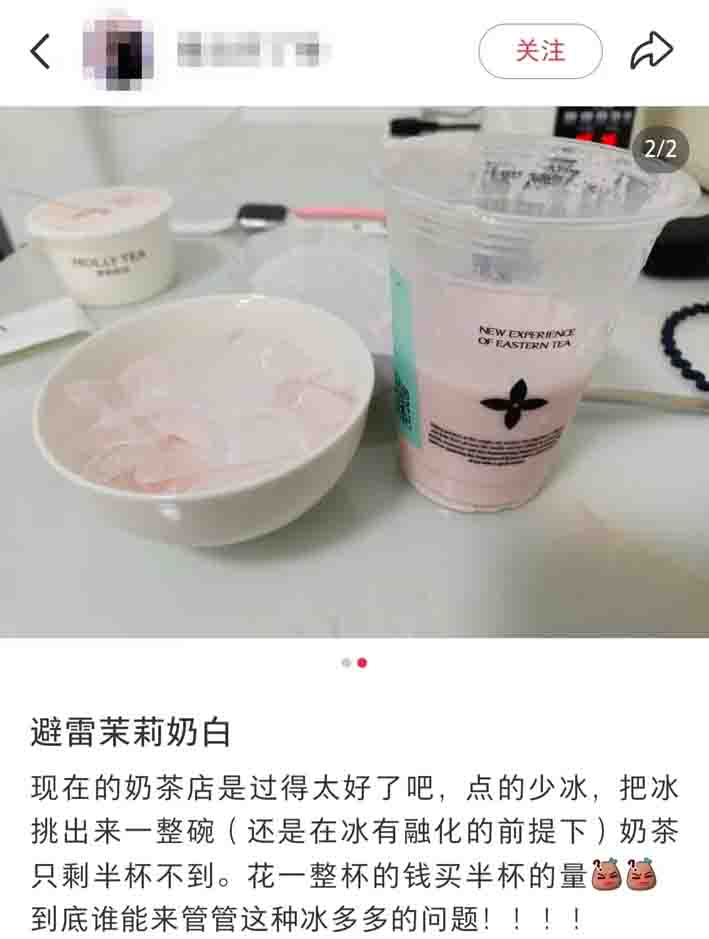
However, as the new products hit the market, social media platforms have seen a wave of user feedback—with the most discussed issue not being the flavor of the drinks themselves, but the surprisingly high proportion of ice. Many customers reported that even when ordering the “less ice” version, the amount of ice in the drink remained excessive, significantly reducing the actual drinkable portion. Some consumers even managed to scoop out as many as 35 ice cubes from a “less ice” drink.
Many users noted that during cooler seasons, they opt for “less ice” hoping their drink won’t be overly cold, only to find that ice still occupies more than half the cup—greatly affecting the overall drinking experience. More puzzling is that most drinks in this series do not offer a “no ice” option. Consumers who don’t want an overly icy drink are left with no choice but to order “less ice” and then fish out the ice themselves, a rather inconvenient process.
Based on consumer tests, the difference in ice cube quantity between the so-called “less ice” and “regular ice” options is not significant. Generally, consumers expect “less ice” to contain about half the amount of ice as “regular ice,” but according to online feedback, Jasmine Milk White’s “less ice” versions often still contain anywhere from a dozen to over twenty ice cubes—even as many as 35, far exceeding the common expectation of what “less ice” should be.

Some value-conscious consumers further remarked that these new drinks are priced around 20 RMB each. After removing a large number of ice cubes, the actual amount of tea beverage left is often less than half the cup’s capacity—making it feel like a significant portion of the cost is going toward buying ice, rather than the drink itself.
In response to this wave of consumer feedback, a staff member at a Jasmine Milk White store revealed that the brand has strict production standards for the amount of ice in its drinks. Whether a customer chooses “regular ice” or “less ice,” the actual amount of ice added is nearly the same—which explains why many feel there’s not a significant reduction in ice for the “less ice” option. The staff member further explained that according to brand regulations, employees must follow unified ice level standards during preparation. Even if a customer makes a special request, staff members have little leeway to adjust it, lest they face performance evaluations or deductions.
This also explains why many consumers who leave notes in their orders requesting “no ice” or “less ice” still end up with cups full of ice. Some employees have also admitted that they feel helpless when faced with complaints about excessive ice, since internal standards limit their ability to adjust. Some even agree that the ice levels in certain drinks are indeed on the high side.
For consumers, understanding the standards and real-world differences in ice usage in tea beverages can help them make smarter ordering choices. For example, if you don’t like overly cold drinks, you might prioritize hot versions (if available), or—if the store allows—clearly specify your exact ice requirements. In addition, some tea beverage brands may adjust their ice policies by season or region, so it’s also wise to keep an eye on official website or social media announcements.
In summary, while Jasmine Milk White’s guava series has received praise for its visuals and creativity, the issues with its ice quantity design highlight a common controversy in the tea beverage industry—the “ice proportion” debate. Whether the brand will adjust its ice standards in the future to offer more diverse choices will be key to improving consumer satisfaction.
The above content is compiled by CoffeeHunters, a coffee news website.


