







Introduction:The difference between pour over coffee and machine extraction has always been a focal point of interest for coffee enthusiasts. Can machine-simulated pour overs truly rival those manually brewed by baristas? This article delves into the principles, pros and cons of both automated and manual brewing methods, and analyzes the factors that truly influence coffee flavor, helping readers make more informed choices based on their needs.
In recent years, a coffee brewing method known as “fake pour over” has emerged in the market, sparking heated discussions among coffee lovers: can coffee brewed by machines that simulate the pouring process really be compared to manually operated pour overs by baristas? This article will start with the basic concepts, gradually dissect the actual differences between automated and manual brewing methods, and guide you through the core elements that affect coffee flavor.
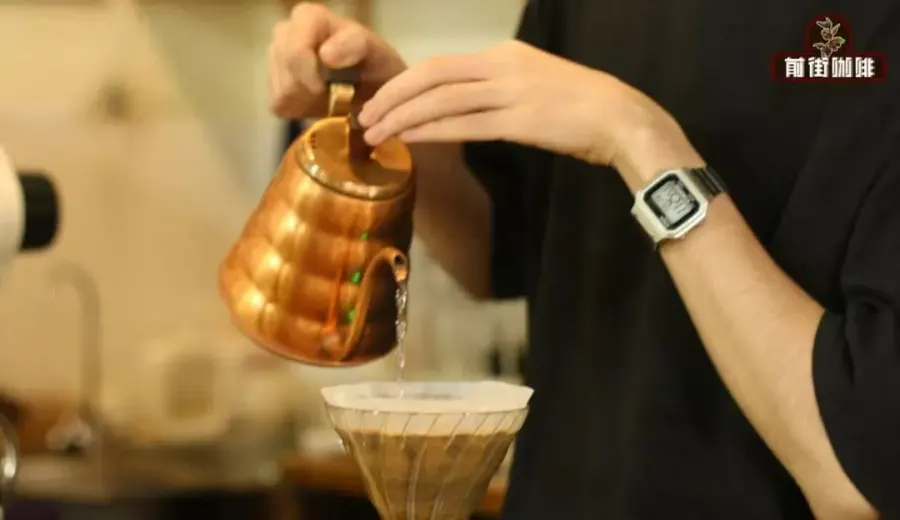
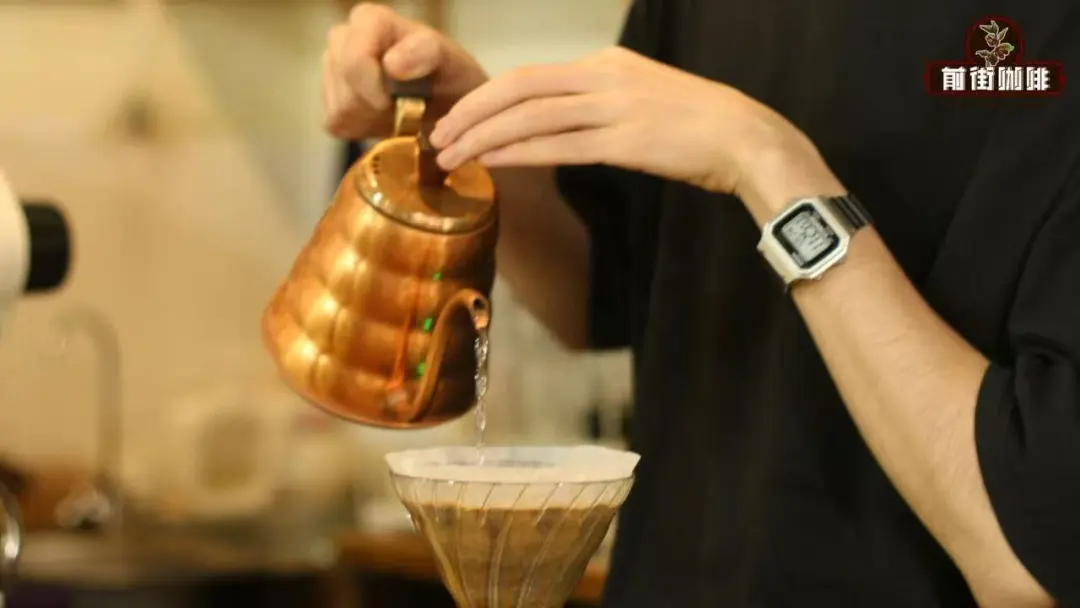
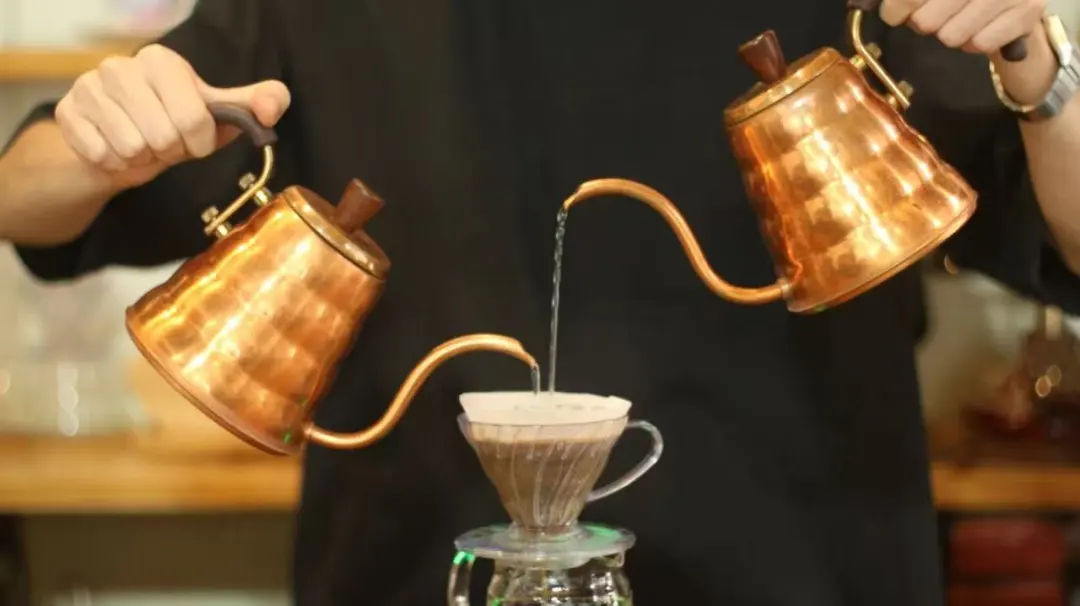
First, what is pour over coffee? Simply put, pour over is a drip filtration extraction method entirely operated by hand. From controlling water temperature, selecting grind size, adjusting the coffee-to-water ratio, to mastering the pouring rhythm—each step relies on the barista’s experience and touch. It is precisely because the water flow is poured by hand that this technique is called “pour over.” This method not only fully showcases the unique flavors of coffee beans, but also offers relatively fast operation times and a more approachable learning curve, making it the preferred choice for many coffee shops when brewing single-origin coffees.
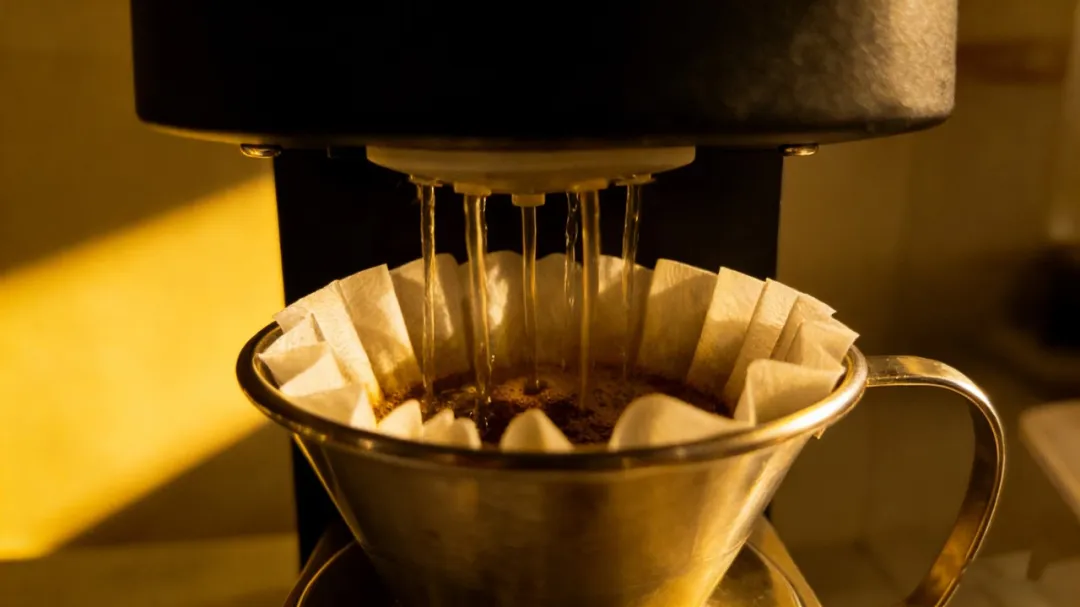
So, what exactly is the so-called “fake pour over”? In fact, this is not an official professional term, but a marketing phrase introduced by a certain chain brand. It refers to using smart or semi-automatic pour over coffee machines to replicate the manual pouring process through mechanical simulation. Although the name may sound a bit dramatic, it represents the technical challenge of whether machines can replicate the effects of manual operation.
Next, the question most people care about might be: can coffee made by machines truly rival manually brewed coffee, or even surpass it in flavor? The answer is: under ideal conditions, machine-extracted coffee can indeed achieve quality comparable to that of manually poured coffee. The key lies in the fact that the flavor performance of a cup of coffee mainly depends on the quality of the coffee beans themselves, as well as brewing parameters such as water temperature, grind size, coffee-to-water ratio, and time.Core parameters. As long as these variables are properly set, whether manually or by machine, the full potential of the coffee can be unlocked.
It is worth noting that many people, when discussing brewing methods, often overlook the importance of parameters. In fact, multiple brewing tutorials repeatedly emphasize that rather than fixating on specific brewing techniques, it is more important to first master and precisely control these fundamental parameters. As long as the values are set reasonably, it is easy to brew a good cup of coffee with balanced flavor and rich layers.
However, this does not mean that automatic coffee machines will completely replace the role of baristas. In fact, automated and manual methods each have irreplaceable advantages, and businesses usually choose the most suitable brewing method based on their operational model, output needs, and customer experience goals.
The greatest advantage of automatic coffee machines lies in their high stability and efficiency. Compared to manual brewing, a barista typically takes about five minutes from grinding beans to completing the brew, during which they must stay fully focused and find it difficult to handle other tasks simultaneously. For high-volume chain stores, automatic machines not only ensure consistent extraction parameters for each cup of coffee but also effectively reduce labor costs. Therefore, many high-traffic coffee shops either do not offer pour over options at all, or opt to use automatic machines to replicate the pour over flavor. Of course, some shops that prioritize consistency in output proactively adopt automated equipment to maintain flavor standards.
On the other hand, the value of manual pour over lies in its higher flexibility and interactivity. Baristas can adjust pouring speed, angle, and distribution in real time according to the immediate condition of the beans—such as freshness, roast level, or grind uniformity—thereby fine-tuning the extraction flavor and giving each cup more layers and personality. In addition, the hands-on process of pour over also provides an opportunity for customers to interact face-to-face with the barista, adding a touch of human warmth and experiential value.
Overall, automated and manual pour overs each have their strengths and are not mutually exclusive. For businesses that prioritize efficiency and consistency, automatic machines are undoubtedly a more practical choice; whereas if the goal is to provide customers with a more unique flavor experience and a sense of interaction, manual brewing remains an irreplaceable classic method.
No matter which method is chosen, the key still lies in understanding the coffee beans and mastering the extraction parameters. Only by truly grasping these fundamental elements can one break free from the limitations of the brewing method and produce satisfying coffee flavors.

The above content is compiled by CoffeeHunters, a coffee news website.


