








Introduction:Kenyan coffee is renowned for its distinctive tomato-like acidity — a surprising fruitiness that stems from the perfect combination of variety, altitude, washing process, and roasting techniques. This article delves into the flavor origins of Kenyan coffee, breaking down how the SL28 and SL34 varieties, the high-altitude volcanic soils of central Kenya, and the classic K72 washing process come together to create its signature profile. It also provides practical pour over parameters for the “Kenya · Little Tomato” to help you better understand and appreciate the unique charm of this classic origin.
The first time you taste Kenyan coffee, the bright, fresh acidity reminiscent of small tomatoes often comes as a delightful surprise. Not only is the acidity vibrant, but it’s also accompanied by rich fruity notes. Where does this unique flavor come from? The answer lies in the choice of variety, growing altitude, washing method, and subsequent roasting strategy. Starting with Kenya’s terroir, this article will analyze the characteristics of the two iconic varieties, SL28 and SL34, and explore how the K72 washing process shapes the signature flavor of Kenyan coffee. Finally, it offers practical pour over parameters for a popular Kenyan bean, giving you a comprehensive grasp from theory to practice.
In the world of specialty coffee, the final flavor of a cup is primarily shaped by four key elements: variety, growing environment, processing method, and roast level.Growing Environmentcontributes about 30% to the foundational flavor characteristics, with altitude and soil composition being especially critical factors.

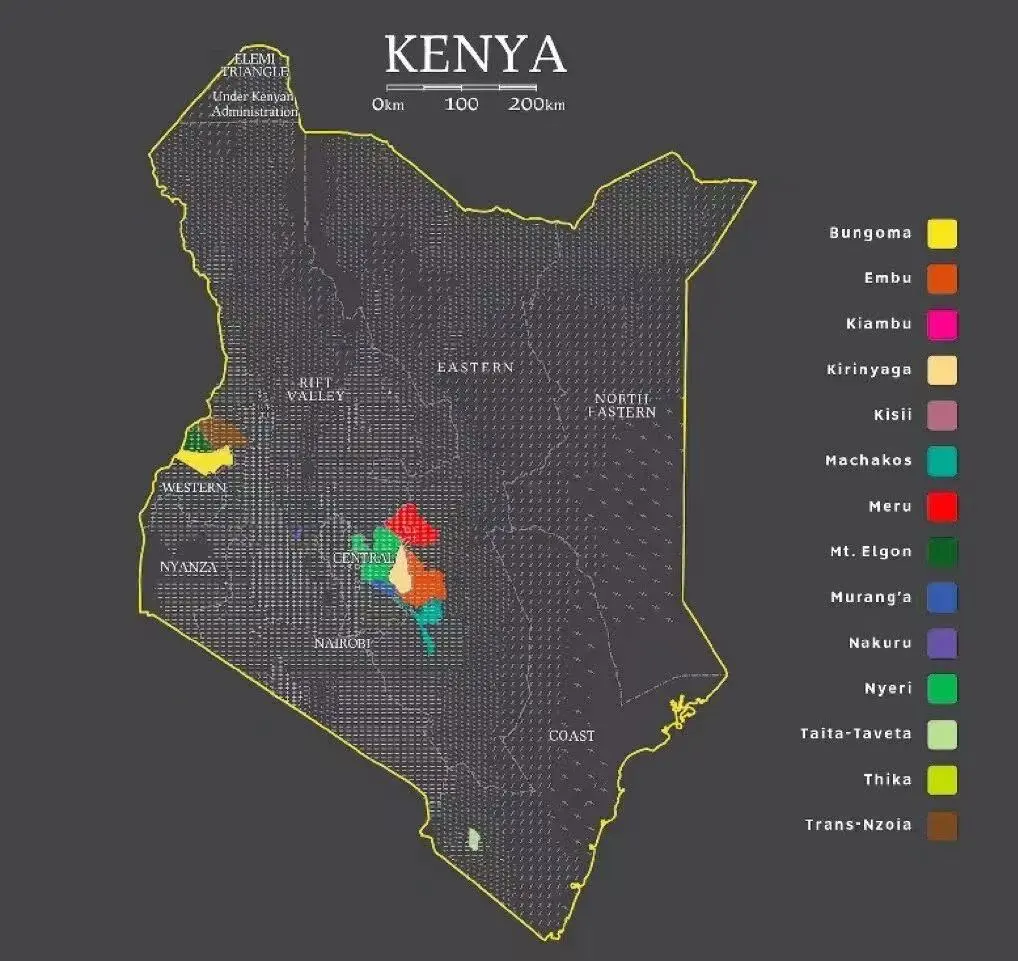
Located near the equator, Kenya is a low-latitude tropical region with two distinct rainy seasons each year. Its climate is divided into inland tropical savanna and coastal humid-rainy types. Notably, Kenyan coffee is primarily grown in volcanic regions at elevations of 1,500 to 2,100 meters in the central part of the country. In these high-altitude environments,the large diurnal temperature variationextends the growth cycle of coffee cherries, allowing the beans more time to accumulate aromatic compounds. Additionally, the soils in these areas are rich in phosphates and volcanic nutrients, which impart a pronounced and full-bodied fruity acidity to the beans — particularly delicate notes of small tomato and berry — one of the hallmark traits of Kenyan coffee.
Variety directly determines about 70% of the foundational flavor profile of coffee. The unique acidity and complexity of Kenyan coffee are inseparable from the widespread cultivation of the two major varieties, SL28 and SL34. These two varieties were developed through years of selection and breeding by the Scott Laboratories starting in 1931, where “SL” stands for Scott Laboratories, and “28” and “34” are the original experimental codes.
SL28 is a mutation derived from the ancient Bourbon variety, while SL34 originates from a mutation of Typica. In addition to bright berry-like acidity, these two varieties also possess unique sweetness and complex fruity layers, resulting in coffee that is not only vibrant in acidity but also offers a rich mouthfeel. If you’ve ever tasted Kenyan coffee with distinct layered flavors, it was very likely thanks to these two classic varieties.
However, even among Kenyan coffee beans, some may exhibit only sharp acidity without depth or complexity — and that’s where the role of the processing method becomes crucial. The most representative processing method in Kenya is the famous K72 washed process.

The typical washed process generally involves: first floating the coffee cherries to remove unripe or overripe ones, then removing the outer skin and pulp, fermenting the beans with mucilage in water, subsequently washing off the residual mucilage, and finally sun-drying. Kenya’s unique K72 process extends and intensifies this basic procedure.
The “72” in K72 refers to the total duration of fermentation and washing, which can last up to 72 hours — far exceeding the 24 to 36 hours of a standard washed process. In practice, after the initial fermentation and washing, the beans undergo a second fermentation in clean water, followed by thorough washing and drying. Due to the double washing and extended fermentation, this method not only reduces undesirable off-flavors but also further enhances the berry and fruity aromas in the coffee, making the acidity cleaner, brighter, and more layered.
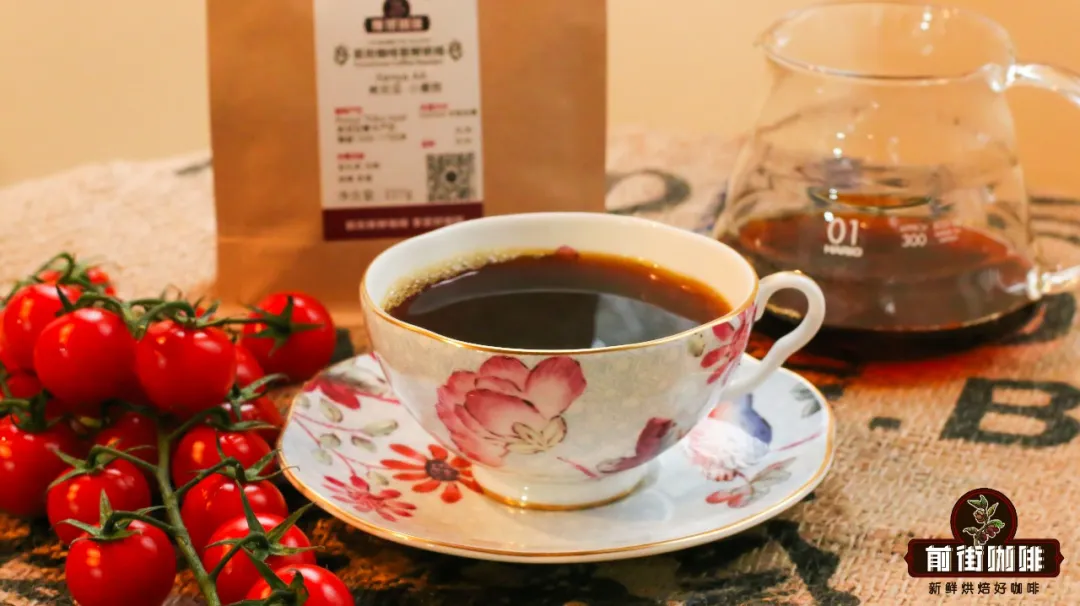
This process is also often referred to as “Double Washed” or the “Kenyan Process.” To fully showcase the classic flavors of Kenyan coffee, many roasters and cafés specifically select beans that use the SL28 and SL34 varieties, are grown in high-altitude volcanic regions, and are processed using the K72 method. One such example is a certain café’s “Kenya · Little Tomato,” which comes from the Thika region at an altitude of 1,550 to 1,750 meters and is processed by the Assaria Factory.
This bean is roasted to a medium-light level, with a flavor profile that clearly highlights black plum, small tomato, brown sugar, and black pear. It offers a balanced acidity and sweetness with distinct layers, making it ideal for coffee lovers who enjoy fruity acidity and fruit-forward profiles.
For brewing, it’s recommended to use 15 grams of coffee, a 1:15 coffee-to-water ratio, a water temperature of 92°C, and a grind size of approximately 75% to 80% through a #20 sieve, with a total extraction time of about 2 minutes. These parameters are designed to effectively highlight the fresh tomato and black plum acidity, while preserving the sweet finish of brown sugar and berries.
From the dry aroma after grinding to the wet aroma during pouring, the scent of fresh tomato-like acidity is distinctly present. Upon tasting, the acidity is bright and lively, paired with delicate sweetness, as if sipping a freshly squeezed small tomato juice, along with layered notes of black plum, brown sugar, and black pear. The finish is long-lasting and memorable.
The above content is compiled by CoffeeHunters, a coffee news website.


