







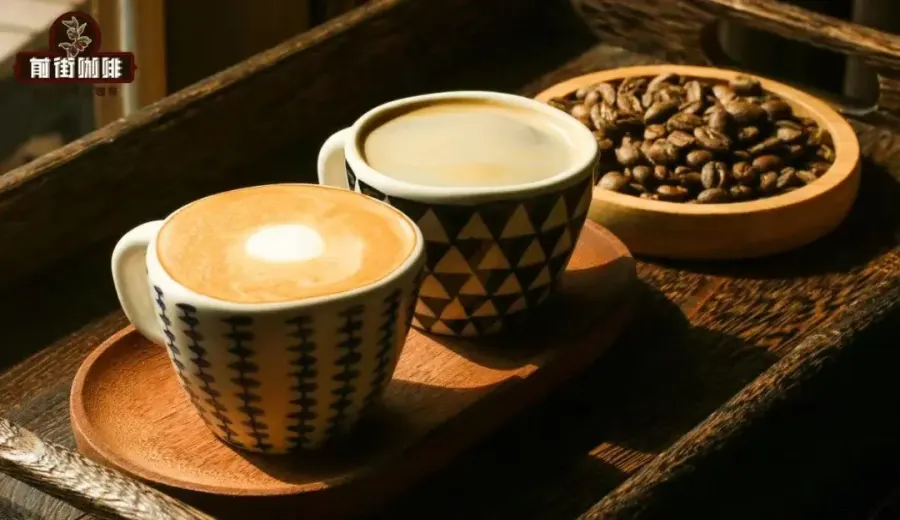
Introduction:In recent years, the Coffee Combo trend—using a single coffee bean for multiple drinks—has become hugely popular. Many assume it can only be done with espresso machines, but the pressurized extraction of a moka pot can also create a rich base. This article dives deep into how to select beans, adjust moka pot brewing parameters, and use the golden ratio to easily recreate pro-level Combo drinks at home, while avoiding common pitfalls.
Over the past two years, creative Coffee Combo brewing methods have gained widespread popularity among coffee enthusiasts. These multi-expression techniques mostly rely on the high-pressure extraction power of espresso machines. However, many home coffee lovers wonder: can a moka pot achieve the same effect? In fact, by forcing hot water through coffee grounds under pressure, a moka pot may not match the concentration of commercial espresso, but as long as you masterthe characteristics of the coffee beans, precise grind size, water temperature control,and the volume ratios during blending, you can absolutely craft surprisingly complex coffee combinations.
So, what is a Coffee Combo? Simply put, it’s using a single coffee bean and varying the brewing method or blending ratios to create multiple drinks with distinct flavors. A common approach is to extract a high-concentration base from one bean, then use it to make black coffee, milk coffee, or specialty blends. Many readers wonder: can moka pot coffee serve as this base? The answer is yes—if you understand the key technical details, you can replicate café-quality Combo experiences at home.
Choosing the right coffee bean is the first step to success. Since Combos aim to showcase diverse flavor layers, beans with pronounced acidity, sweetness, or body are ideal. For example, the Geisha variety from Frontier Estate often features intense tropical fruit notes like grape, passionfruit, and apricot. Dabutou excels in dark berries such as blackcurrant, blueberry, and ripe grapes. If you prefer a brighter, fresher style, Huakui SOE highlights strawberry, cream, and citrus aromas, while Strawberry Sugar · Gesha Blend combines the complex sweetness of apricot, strawberry, and raisin. These beans provide a rich foundation for Combos.
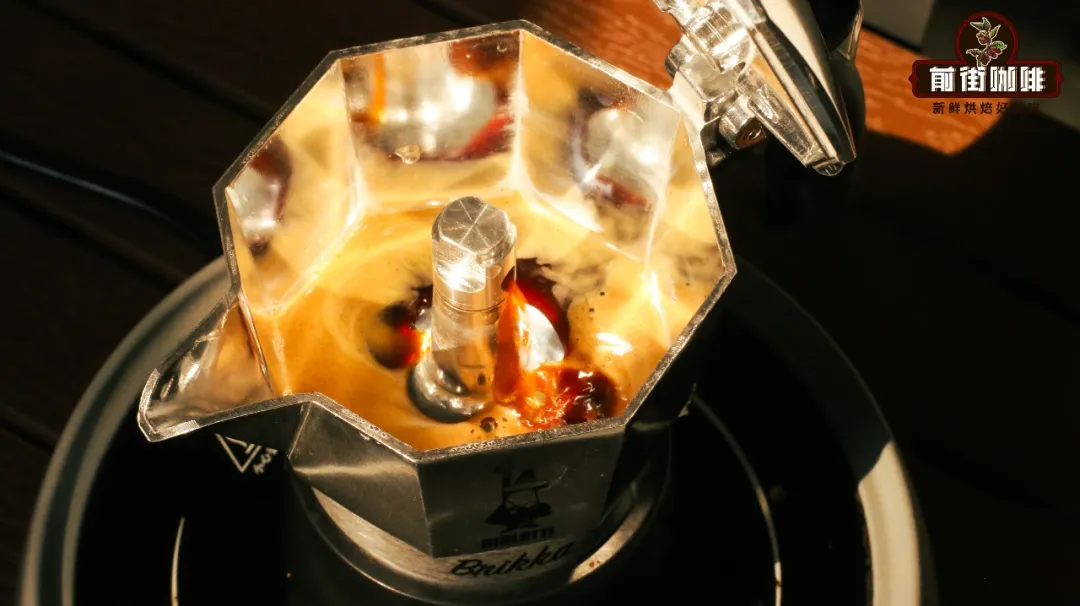
When using a moka pot to brew a concentrated base, pay special attention togrind size, coffee-to-water ratio, and heat control.For a single-serve moka pot, use 20 grams of finely ground coffee (close to powdered flour consistency), maintain a 1:4 coffee-to-water ratio, and heat the water to around 90–92°C. Start with high heat to quickly bring the pot to temperature, then immediately reduce to low heat or turn it off once the coffee begins flowing steadily, letting residual heat finish extraction. This typically yields about 48 milliliters of highly concentrated coffee. The liquid should appear dark brown with even flow—avoid over-extraction, which can lead to burnt, bitter flavors.
Note that while moka pot coffee is concentrated, it still falls short of the 9–10 bar pressure of professional espresso machines. Therefore, when crafting Combos, adjust traditional ratios to balance flavors. For example, a standard espresso latte uses a 1:5 ratio of espresso to milk (e.g., 40 ml espresso with 200 ml milk), but with a moka pot base, we recommend increasing it to 1:4 (around 40 ml espresso with 160 ml milk). Actual ratios should be flexibly adjusted based on bean roast level and extraction—lighter roasts or lower-concentration coffee may need more liquid for smoothness, while darker roasts or higher-concentration brews can use less to amplify flavor impact.
Once you’ve mastered these three core elements, you can creatively use a moka pot to craft diverse Combo combinations. From savoring the sharp intensity of pure concentrated black coffee to pairing it with steamed milk for a creamy texture—or even adding spices and syrups for personalized blends—your options are endless. The key lies inconsistent extraction quality and flexible ratio adjustments,refining your own golden formula through experimentation to elevate your home coffee experience to a whole new level.

The above content is compiled by CoffeeHunters, a coffee news website.


