







Introduction:Many beginners who are new to espresso often wonder: apart from the tamper, is it necessary to also buy a distribution tool and a distribution needle? This article uses an actual extraction comparison (using 20g of coffee to yield 40ml of liquid, with the Strawberry Sugar blend beans) to show you how these auxiliary tools affect extraction evenness and flavor stability, and analyzes the causes of channeling effects to help you decide whether they’re worth the investment based on your needs.
Many friends who are just getting into the world of espresso often hesitate after purchasing an espresso machine: apart from the essential tamper, are a distribution tool and a distribution needle really necessary? The industry has also received many similar questions in the past. To clarify this issue, we designed a set of comparative experiments—using both traditional hand-distribution and auxiliary tools to pull three shots of espresso each, and evaluated them based on flavor performance and mouthfeel details. The beans used were the popular “Strawberry Sugar · Espresso” blend from our menu, with fixed extraction parameters of 20 grams of coffee yielding 40 milliliters of espresso.
It’s worth noting that nowadays, most professional coffee shops have already incorporated distribution tools and distribution needles into their standard espresso extraction procedures, and the industry is no exception. For this reason, many consumers who purchase home espresso machines also consider buying these auxiliary tools. But the accompanying question is: “Do you really need so many tools to brew a single cup of coffee?” This article will focus on the practical differences between the “traditional hand-distribution” method and the “auxiliary tool-assisted” method, exploring the true value of these tools based on extraction results.
During the experiment, we strictly controlled variables, using both distribution methods to complete three espresso extractions each, and compared them in terms of flavor complexity and mouthfeel smoothness. The coffee beans used continued to be the popular choice from the menu—the Strawberry Sugar · Espresso blend, with extraction parameters maintained at the standard ratio of 20 grams of coffee yielding 40 milliliters.
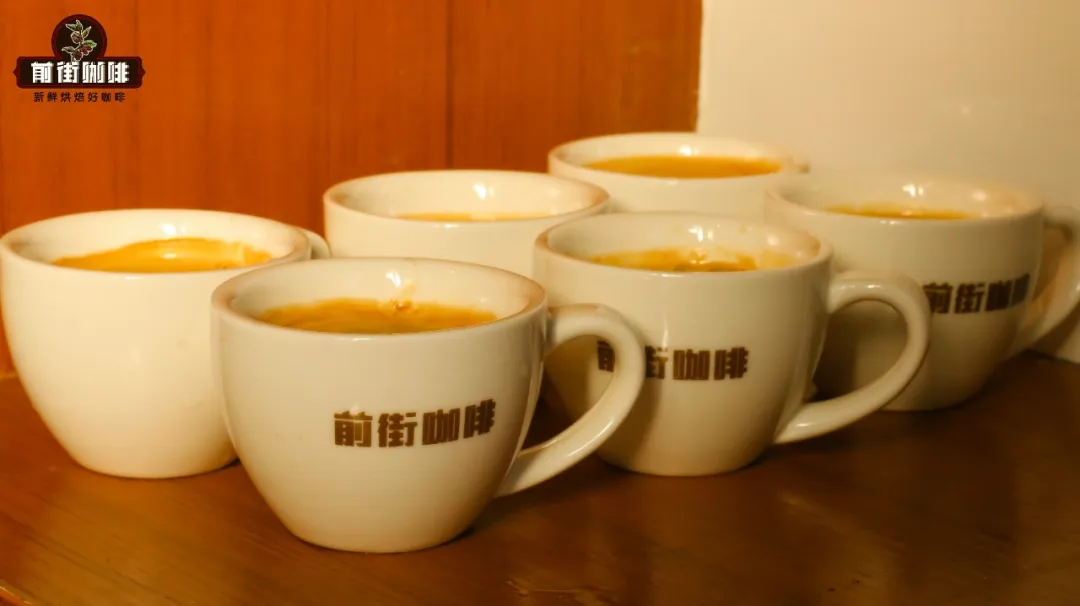
Observing the extraction time, both groups of experiments fell around the 30-second mark, which is within the normal range for espresso extraction. After completing the extractions, we invited our internal team to conduct a blind tasting evaluation. The results showed that except for one shot from the hand-distribution group that exhibited slightly heavier flavors, the rest showed minimal differences overall, all showcasing aroma profiles of strawberry, delicate floral notes, mild cocoa, and fine nuts, with the main flavor axis centered around bright acidity and moderate sweetness.
From the直观 results of this experiment, even though one group used a distribution tool and distribution needle, the final espresso produced did not show a significant flavor upgrade compared to the purely hand-distributed version. Does this mean these auxiliary tools are just “unnecessary accessories”? The answer is actually not that simple.

The key lies in this: the core function of distribution tools and distribution needles is not to directly “enhance” coffee flavor, but to stabilize distribution evenness, helping baristas “consistently” produce espresso with uniform quality. As is well known, espresso extraction relies on high pressure of up to 9 bar, and this pressure accelerates the water’s extraction efficiency of flavor substances from the coffee grounds, thereby generating a highly concentrated extraction liquid in a short period of time.
However, water has a tendency toward “inertial flow”—it always seeks the path of least resistance to penetrate the coffee puck. If the coffee grounds in the portafilter basket are unevenly distributed (for example, some areas are compact while others are loose), hot water will concentrate its flow toward the less dense sections, creating what is known as a “channeling effect.” This phenomenon leads to: areas with high flow rates having coffee grounds that are over-extracted due to excessive contact with water (resulting in sharp, off-flavor flavors), while areas with low flow rates suffer from under-extraction due to insufficient water retention (resulting in thin, lackluster flavors with little depth). This uneven extraction state is the main culprit affecting the stability of espresso.
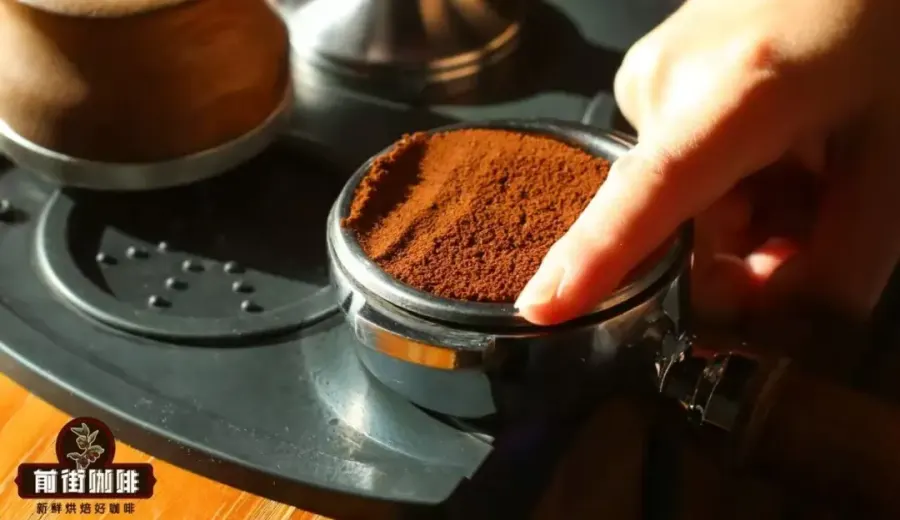
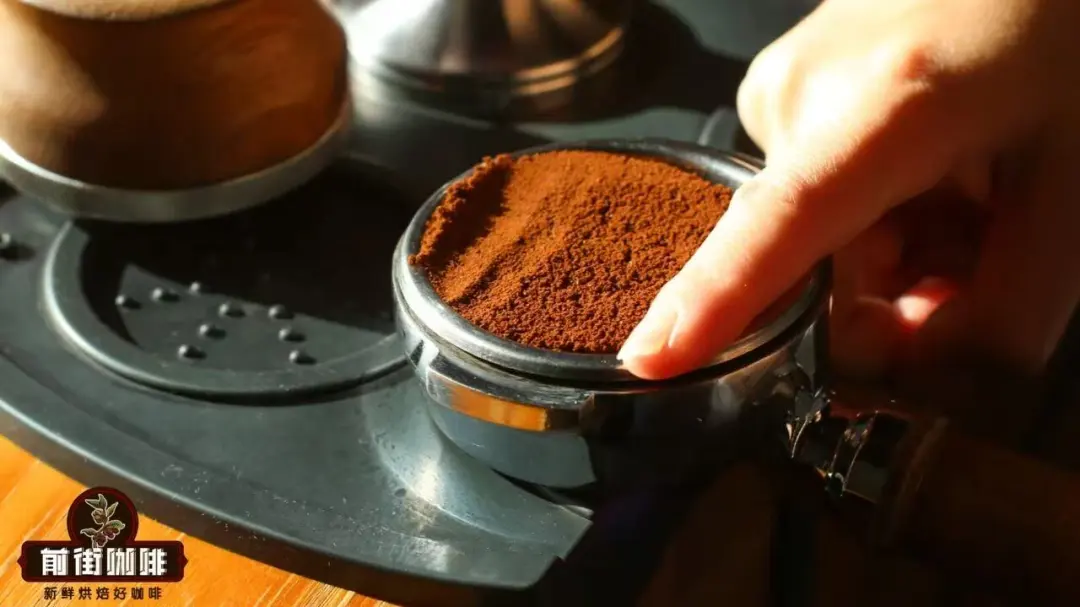
Looking back at traditional practices, early baristas used the “hand-distribution” method—using their fingers to evenly spread the coffee grounds in the portafilter basket—as a way to reduce the likelihood of channeling. The design of modern distribution tools is meant to simplify this process—it can quickly and evenly spread the coffee grounds within the basket, not only saving operation time but also avoiding potential hygiene concerns associated with hand contact.
As for the distribution needle, its function is slightly different: although it can also assist in even distribution, its primary purpose is to “break up clumps.” During the grinding process, coffee grounds may form small particle clumps due to static electricity (especially in low-humidity environments or with dark roast beans), and these clumps can interfere with the overall evenness of the coffee bed, indirectly increasing the risk of channeling. Therefore, some coffee shops will first use a distribution needle to lightly poke the coffee bed after grinding to break up clumps, then proceed with subsequent distribution and tamping steps.

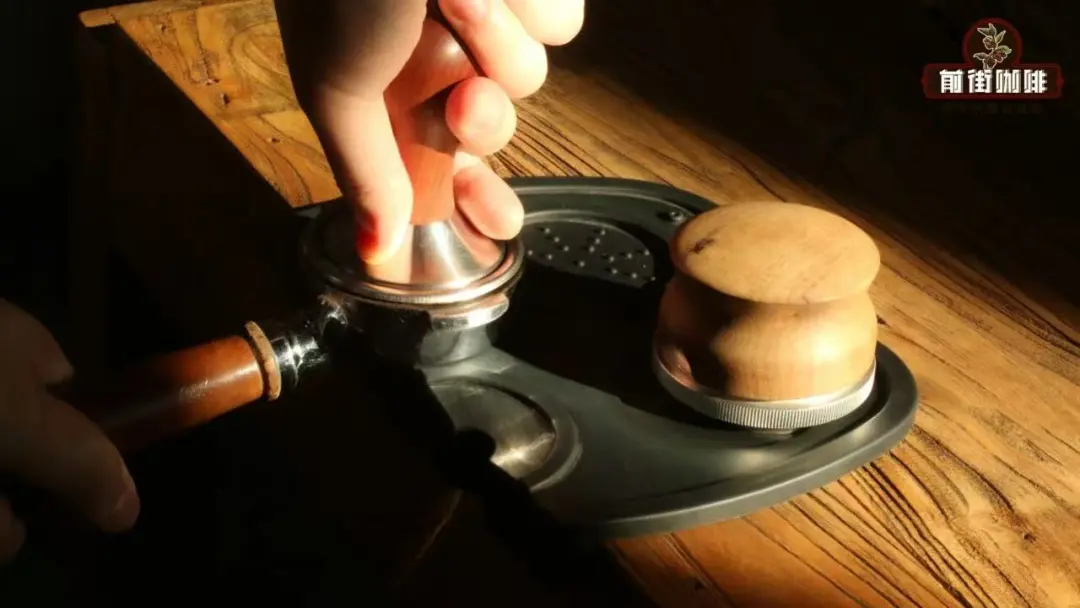
In summary, distribution tools and distribution needles are not useless “fancy accessories,” but rather practical tools that baristas use to stabilize extraction conditions and ensure consistent flavor in every shot of espresso. For users who only make coffee for personal enjoyment and do not pursue high consistency in large quantities, if you have already mastered manual distribution techniques, these tools are indeed not essential; however, if you wish to improve shot consistency, or often deal with varying grind conditions and environmental variables (such as static issues caused by low humidity), appropriately adding these auxiliary tools can help you more easily control extraction quality.
The above content is compiled by CoffeeHunters, a coffee news website.


