







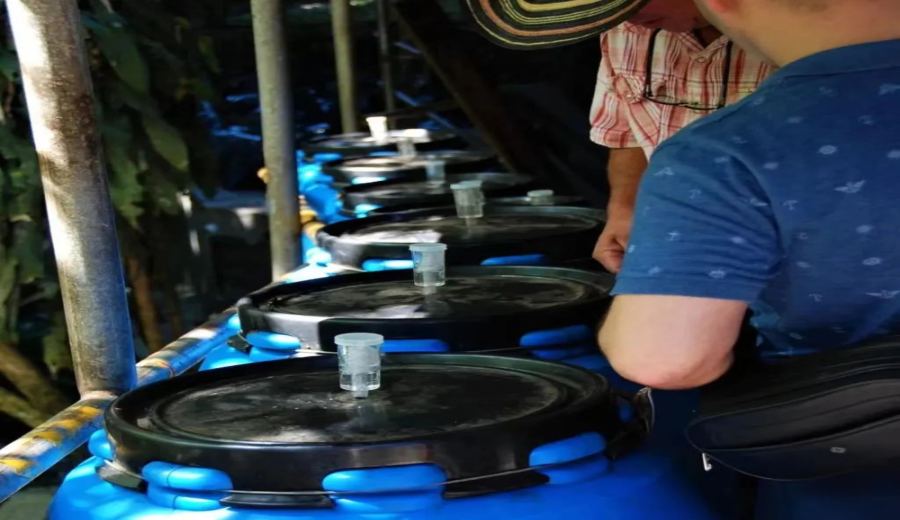
Introduction:Enzymatic washed processing is one of the innovative specialty coffee techniques that have emerged in recent years. By combining anaerobic environments with specific enzyme fermentation, it imparts richer layers and aromas to coffee beans. This article will delve into the principles and processes of this method, and using Colombia’s Rose Valley as an example, explore the unique flavor profile of the Caturra variety under this processing method, as well as recommended brewing parameters and techniques.
[The Birth of an Innovative Processing Method]
In the world of specialty coffee, innovation in processing has always been a key direction for enhancing flavor expression. Enzymatic washed processing is one such innovation. It breaks away from the traditional washed method, which relies solely on natural fermentation, by insteadintroducing a specific group of enzymes in an anaerobic environment. By controlling fermentation conditions, the breakdown of sugars in the coffee mucilage is slowed down, thereby extending the fermentation time and developing a rounder sweetness and a more balanced acid-sweet structure. Initially, this method sparked considerable discussion, but as practical results validated its effectiveness, it gradually gained attention from professionals.
[Classic Practice at Colombia’s Granja La Esperanza]
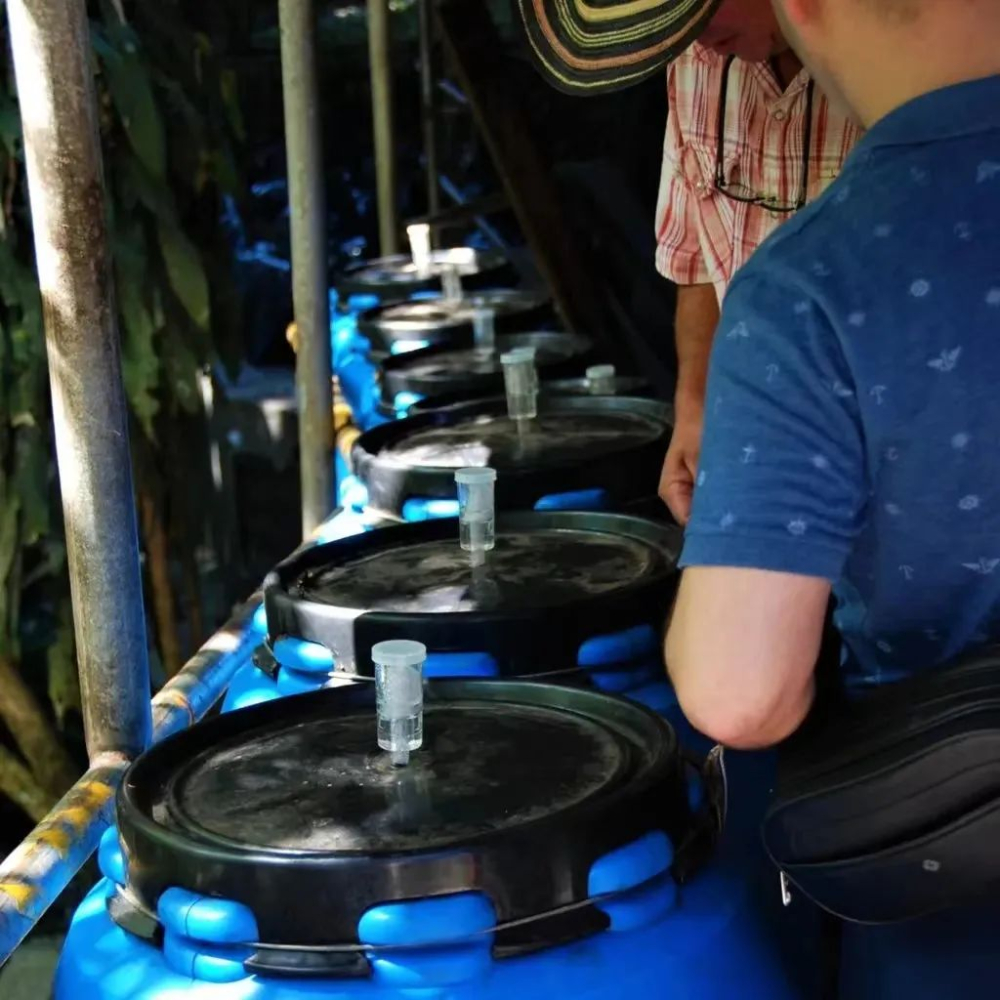
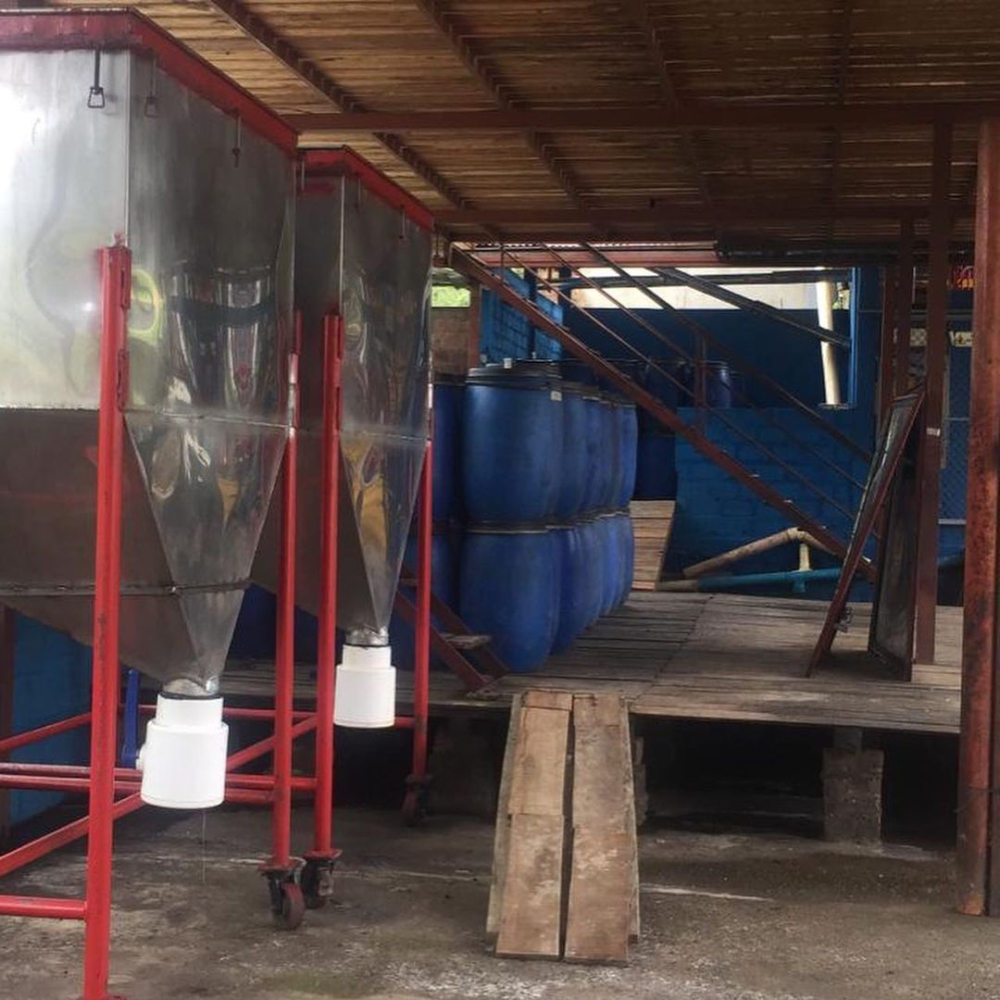
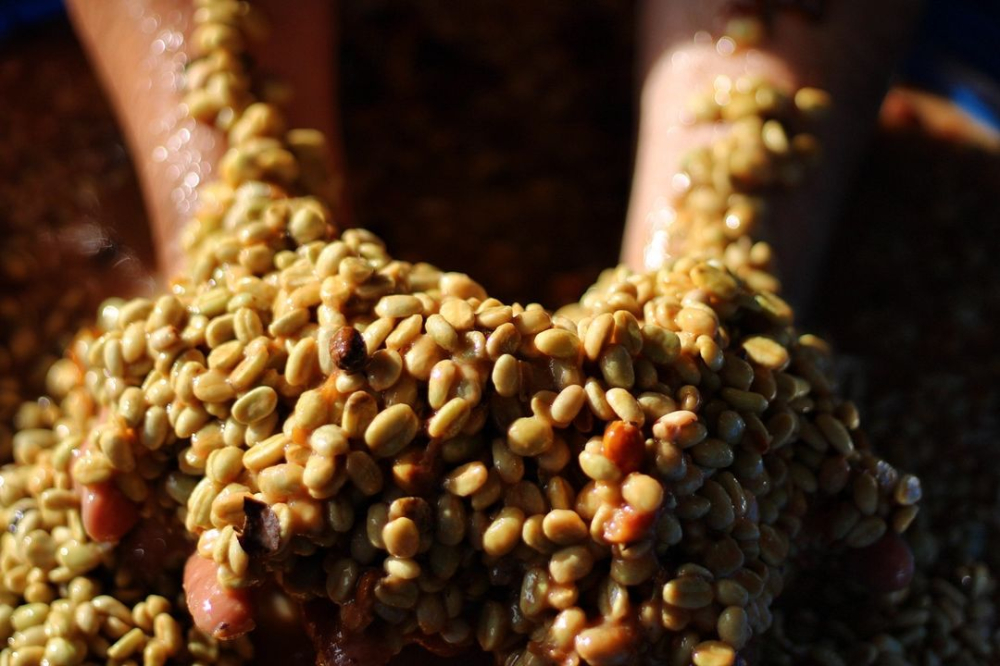
When it comes to enzymatic washed processing, Colombia’s Granja La Esperanza is a representative case. Managed by farmer Vargas, who has over twenty years of planting experience, the farm insists on harvestingfully ripe coffee cherries with bright red exteriors, which are first processed through washing to remove defects and floaters. Next, the beans undergotwo rounds of anaerobic fermentation, with a specially formulated group of enzymes introduced during fermentation to enhance flavor development. After fermentation, the farm places great emphasis on the drying stage, employing a low-temperature slow-drying approach to avoid high temperatures that could damage the beans’ delicate aromas and mouthfeel.
[The Synergistic Effect of Anaerobic and Enzymatic Processes]
In this processing method, after being washed to remove impurities, the coffee cherries are placed ina completely sealed container, and carbon dioxide is injected to expel oxygen, creating an anaerobic environment. This slows down the natural breakdown of sugars in the mucilage, resulting in a more gradual decline in pH and further extending the fermentation cycle. This process not only inhibits the growth of undesirable microbes, but also helps develop deeper sweetness and a more harmonious overall flavor profile in the coffee beans.
[The Unique Charm of Rose Valley Coffee]
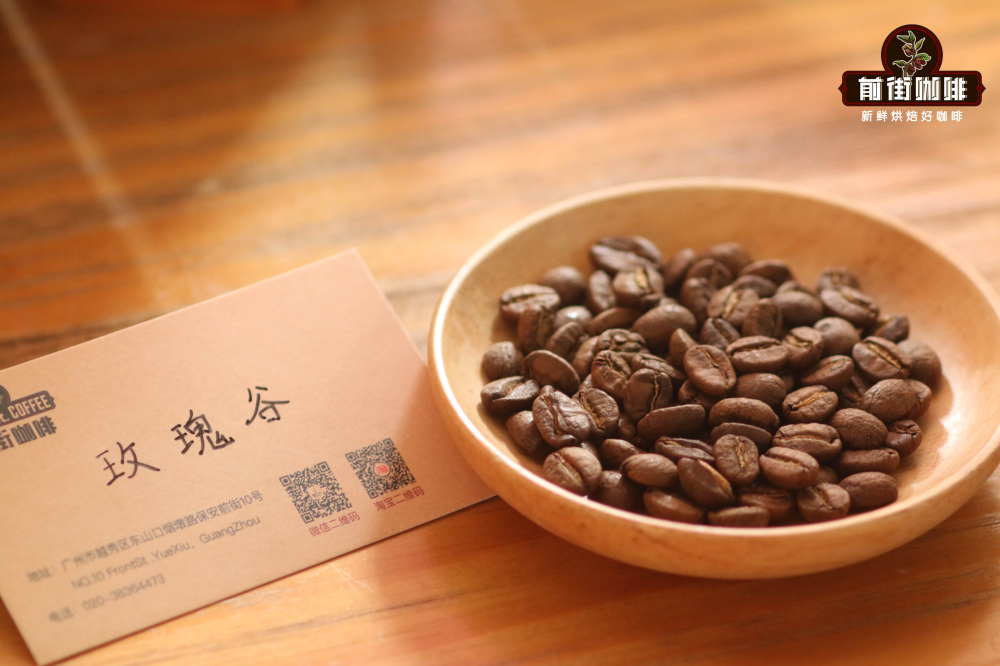
Colombia Rose Valley coffee is a flagship product of Granja La Esperanza that utilizes the double anaerobic enzymatic washed method, renowned for its pronounced peach aroma and delicate rose floral notes. These coffee beans are grown at an altitude of about 1700 meters in the Santander region, and are of the Caturra variety—a natural mutation of the Bourbon variety—known for its bright acidity and rich aromatic expression. Since its market release, this bean has quickly gained widespread acclaim for its unique juice-like mouthfeel and multi-layered flavors.
[Characteristics of the Caturra Variety]
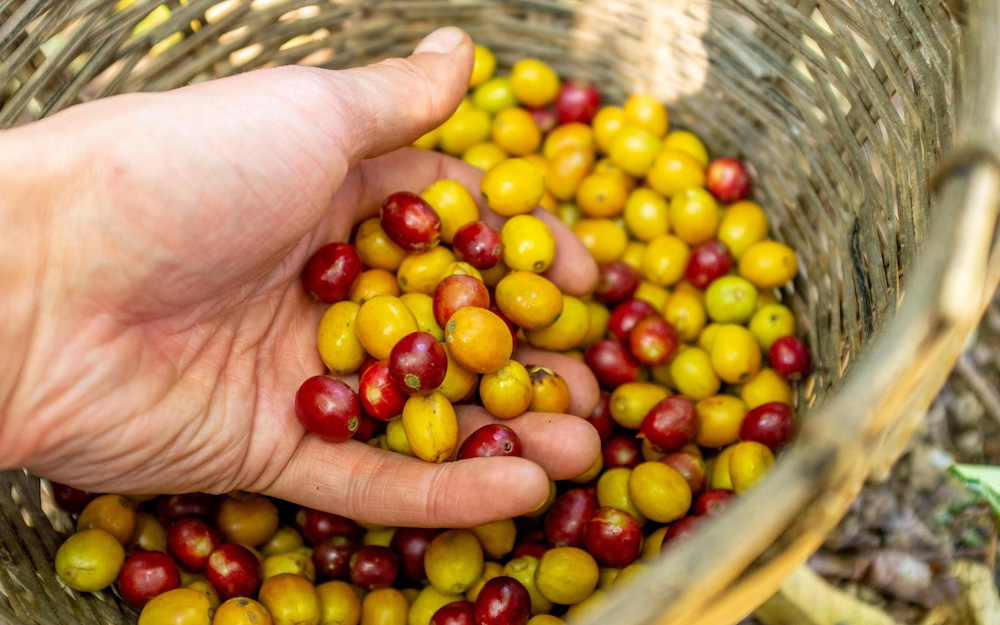
Caturra is a natural mutation of the Bourbon variety, discovered in Brazil between 1915 and 1918. Due to its smaller plant size, it is sometimes referred to as 'little Bourbon' or 'Nanico'. The compact nature of this variety allows for denser planting within a given area, increasing yield per unit while facilitating harvesting. In Colombia, Caturra is one of the main cultivated varieties, accounting for approximately half of the country’s total coffee production. Beyond its high yield, Caturra is also celebrated for its bright acidity, rich aromas, and good sweetness, making it highly suitable for experimentation with refined processing methods.
[Recommended Roasting and Extraction Strategies]
For coffee beans like those from Rose Valley that have undergone double anaerobic enzymatic washed processing, it is recommended to usemedium roastto preserve their fruity notes and vibrant acidity, while showcasing a clean mouthfeel and balanced acid-sweetness. During the roasting process, it’s important to control the temperature curve and heat application to ensure even bean development. For instance, when using a Yangjia 800N roaster, you might set the initial drum temperature at 180°C, and adjust the air damper and heat gradually according to changes in bean surface color, until about 2 minutes and 10 seconds of development post-first crack, finally dropping the beans at 197°C to fully bring out their potential flavors.

[Pour Over Recommendations and Operation Details]
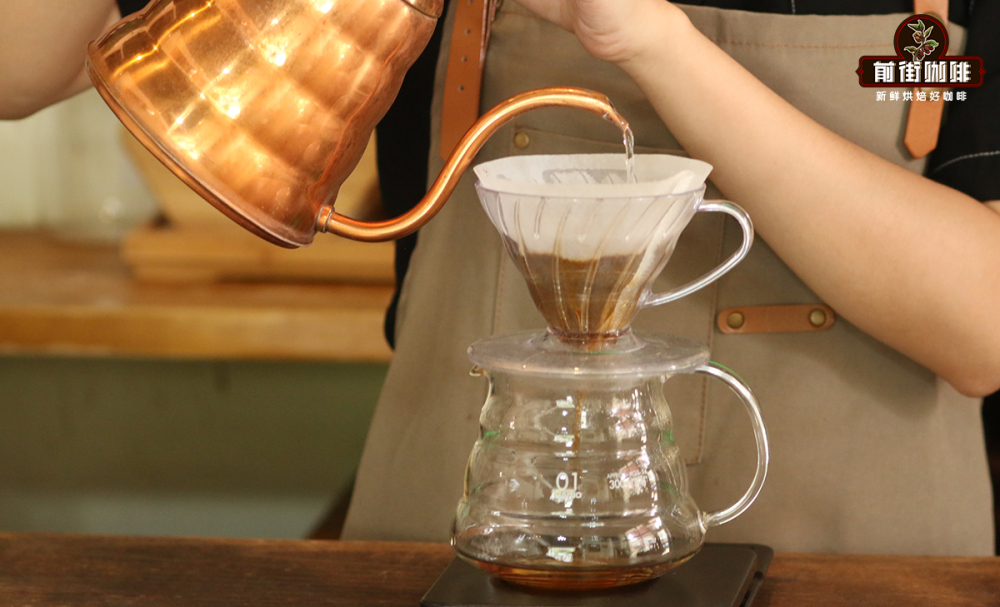
When brewing Rose Valley coffee, it is recommended to use a Hario V60 #01 filter cone, with water temperature controlled at 91°C, a powder-to-water ratio of 1:15, and a grind size of medium-fine (approximately 80% passing through a #20 sieve). The brewing can be done via a multi-pour method: the first pour involves adding 30g of water for a 30-second bloom to form a ‘hamburger’ shaped coffee bed; the second pour adds 125g of water at the 50-second mark, continuing the pour once the water level drops to two-thirds of the coffee bed; the third pour adds 225g of water at the 1 minute and 40-second mark, with a total brew time of around 1 minute and 50 seconds. This approach helps achieve even extraction and highlights the bean’s multi-layered flavors.

[Flavor Profile and Tasting Experience]
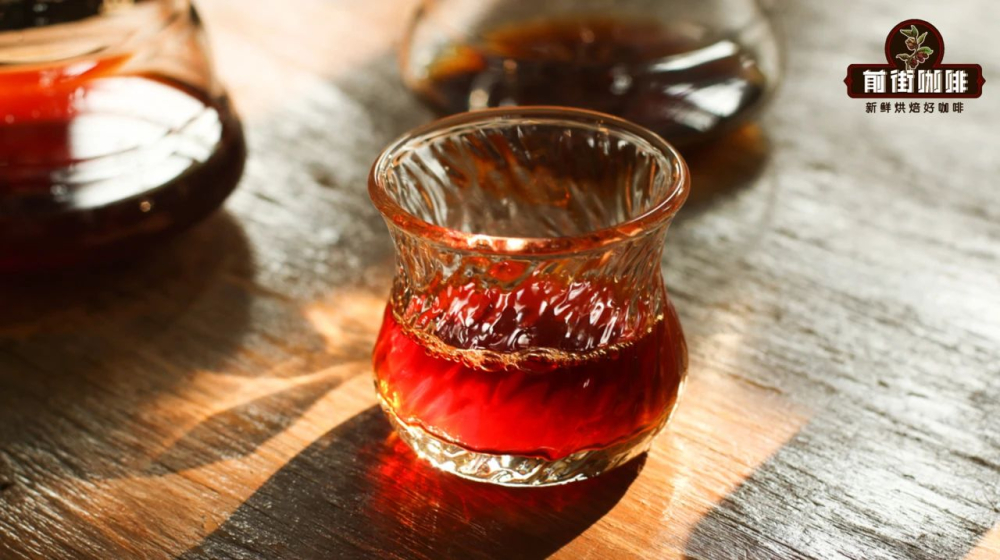
Rose Valley coffee processed with double anaerobic enzymatic washed method delivers a notably outstanding flavor profile. Its acidity is clear and layered, often exhibiting berry tones such as grape and strawberry, accompanied by soft floral notes. The overall mouthfeel is refreshing, with a juice-like flavor profile that evokes sweet and juicy fruit beverages. In comparison, other processing methods may present a more balanced sweetness and dark cocoa aftertaste, but Rose Valley stands out with its vivid fruity and floral characteristics, making it ideal for coffee lovers who prefer a fresh and vibrant style.
The above content is compiled by CoffeeHunters, a coffee news website.


