







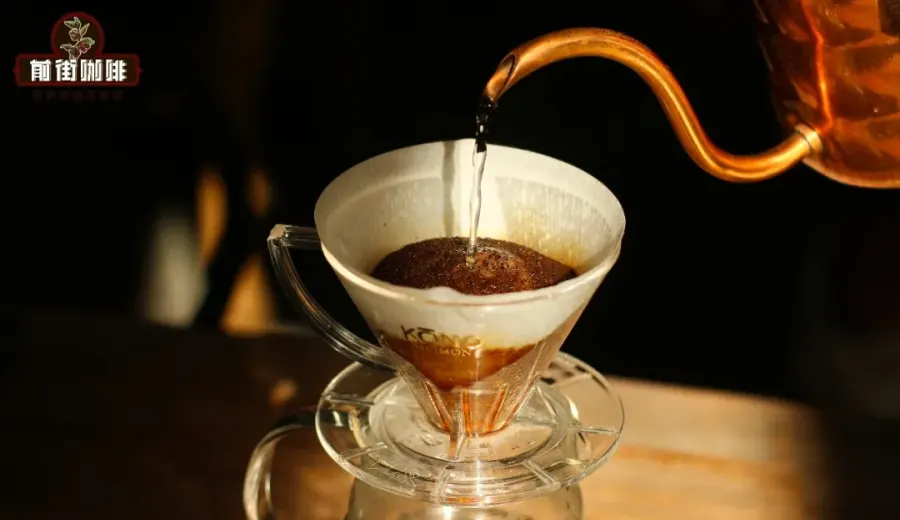
Introduction:Selecting a suitable pour-over kettle is a key step in improving the stability of coffee extraction. Faced with the variety of styles on the market, beginners often don’t know where to start. In fact, just mastering two core factors — temperature control features and ease of water flow control — can make a big difference. This article will detail how these two elements impact the user experience, and compare the suitability of different kettle designs for various brewing stages, helping you find the perfect brewing tool.
Among the many pour-over coffee tools, the pouring kettle may seem simple, but it plays an important role in the stability of coffee flavor. For beginners, choosing the right kettle among the wide range of options can be a challenge. In reality, focusing on two main aspects — whether the kettle has temperature control, and how easy it is to control the water flow — can significantly narrow down your choices.
Kettles with temperature control offer the biggest advantage of automatically heating and maintaining water temperature, eliminating the need for separate heating equipment or a thermometer. They are ideal for users who prioritize convenience and precise temperature management. However, such products tend to be more expensive. For example, among some well-known brands, the price difference between temperature-controlled and non-temperature-controlled versions can be up to four times. If you’re on a budget but willing to spend a bit more time adjusting the water temperature manually, using a regular hot water kettle with a separate thermometer is also a good option.
Temperature Control Configuration: Balancing Convenience and Budget
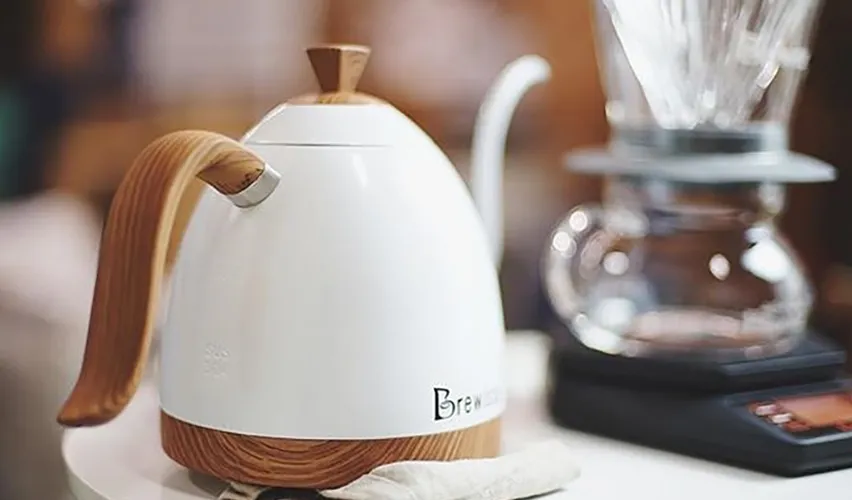
Temperature control systems are mainly divided into those built into the kettle body or those achieved through an electronic base. Kettles with this feature often come preset with multiple common brewing temperatures, and some even allow you to save personal preferences. However, temperature-controlled kettles are usually more expensive. If your pour-over gear budget is limited, consider opting for a traditional kettle with basic functions paired with a standalone temperature control device — it can still achieve stable water temperature.
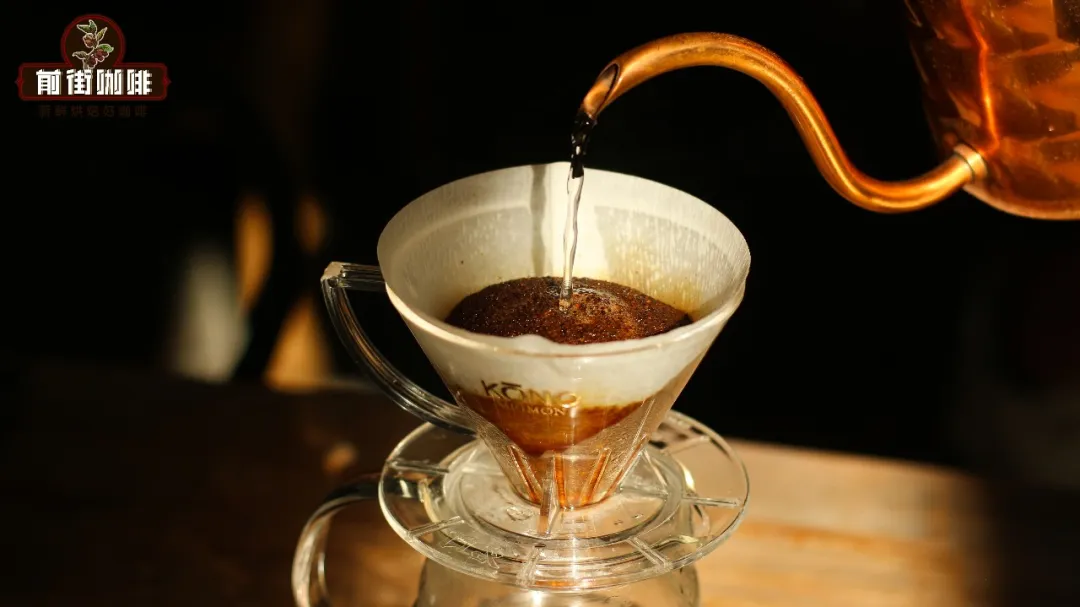
On the other hand, if you frequently brew pour-over coffee and want to simplify the process, a temperature-controlled kettle can indeed eliminate the hassle of repeatedly measuring and adjusting water temperature, making it especially suitable for users who value efficiency and stability. It’s recommended to weigh whether you need a built-in temperature control feature based on your own budget and how often you brew.
Water Flow Control: The Key Lies in the Neck and Spout Design
Aside from temperature control, the performance of a pouring kettle in controlling water flow mainly depends on the length and inner diameter of the neck, as well as the shape and opening size of the spout. These two components together determine the stability of the water stream and how easy it is to handle, both of which are crucial for achieving even extraction across the coffee grounds.
For beginners new to pour-over brewing, it’s recommended to first considera design featuring a slender gooseneck neck paired with a small, curved-spout opening. Such designs, with their thin and slightly curved necks, help focus the water flow and improve pouring stability. Coupled with a small, curved spout, they allow users to more easily control the direction of the water stream, producing a vertical and steady pour. Market examples include the Hario Cloud Dripper Kettle and some basic models from Brewista, which are well-suited for daily practice and consistent extraction.
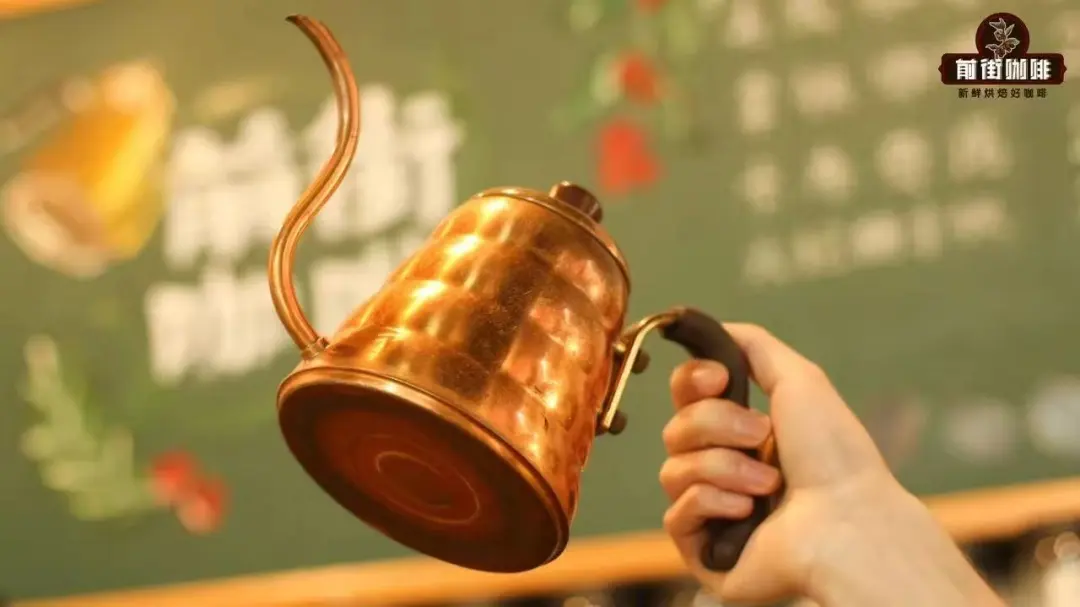
However, such designs offer relatively less adjustability. If you want to experiment with advanced brewing techniques, such as the drip method or high-level water flow control, you might find them somewhat limiting.
Conversely, if you enjoy trying different brewing methods or already have some pouring experience, you might trya combination of a short, thick neck with a wide, flat-spout opening. These types of kettles, due to their shorter necks and wider inner diameters, allow for less constrained water flow and greater flexibility during pouring. However, they are also more difficult to control and require more practice to use steadily. Notable examples include the Kalita Goose Neck Kettle and the Fellow series, which are ideal for experienced users seeking versatile water flow and personalized extraction.
In summary, when choosing a pour-over kettle, first clarify your needs and budget, then evaluate based on the two main aspects — temperature control functionality and water flow design — to more accurately select the style that suits you. Other details, such as material, weight, and capacity, can be adjusted according to your personal feel preferences. With these key points in mind, you’ll be one step closer to achieving consistently delicious pour-over coffee.
The above content is compiled by CoffeeHunters, a coffee news website.


