







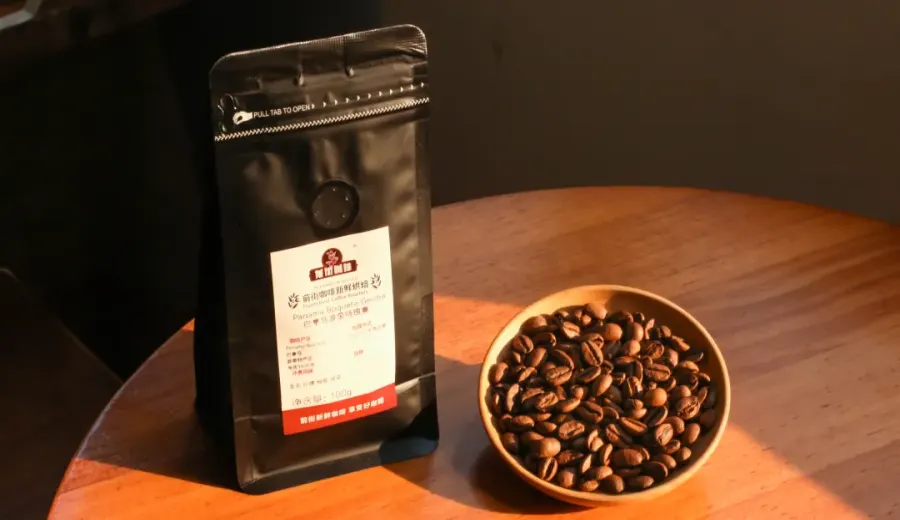
Introduction:Geisha coffee is renowned for its unique floral, fruity aromas and tea-like qualities. However, due to its limited production and relatively high price, many coffee enthusiasts approach brewing it with extra caution. In fact, by mastering the right coffee-to-water ratio, water temperature control, and grind size, you can fully showcase the delicate and captivating flavor layers of Geisha. This article will delve into the brewing logic suited for high-density, light-roasted Geisha beans, and provide two practical methods: a standard three-stage pour-over that emphasizes balanced flavors, and a variable-temperature three-stage technique that highlights floral notes—helping you brew high-quality Geisha with ease.
The reason Geisha coffee commands such high prices isn’t just its scarcity; more importantly, its flavor profile is truly distinctive. Compared to regular coffee beans, Geisha is often described as a beverage brimming with floral notes, fruitiness, and a tea-like mouthfeel, featuring a clear and well-defined flavor structure. Yet, precisely because of this refinement, many people feel unsure about how to brew it once they get their hands on Geisha beans, fearing they might accidentally produce off-flavors and waste these premium beans.
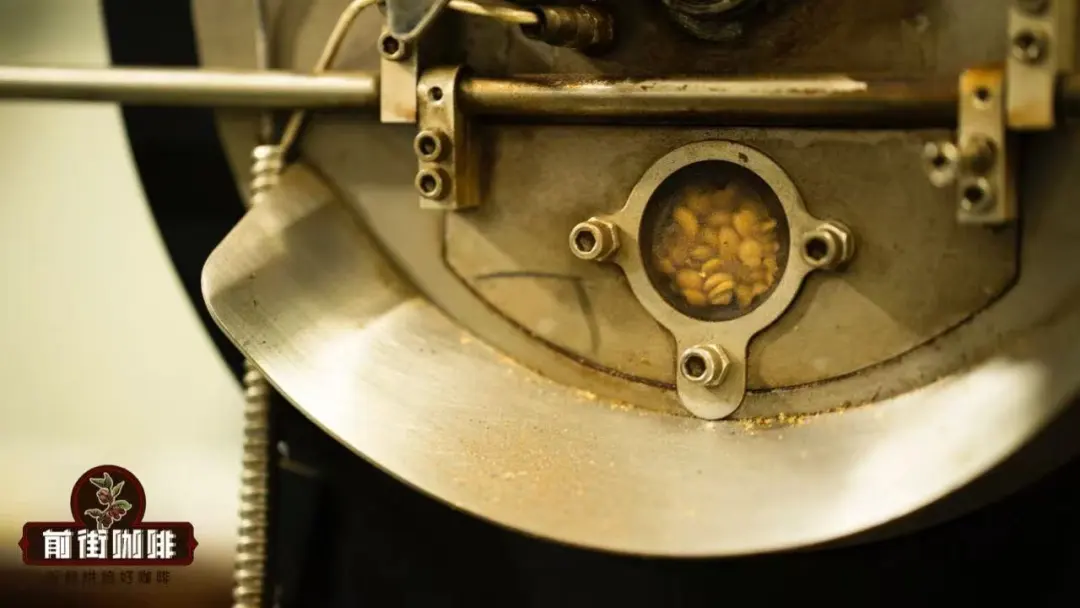
In truth, the captivating flavors of Geisha are closely tied to its roasting method. Commonly available Geisha beans on the market, such as those from Hacienda Esmeralda, are typically medium-light roasted. This approach aims to preserve the beans’ original fruity and floral characteristics while avoiding the burnt bitterness that can mask their subtle flavors from darker roasts. Therefore, when brewing, we need to fine-tune parameters specifically for these high-density, lightly roasted beans to fully unlock their unique traits.
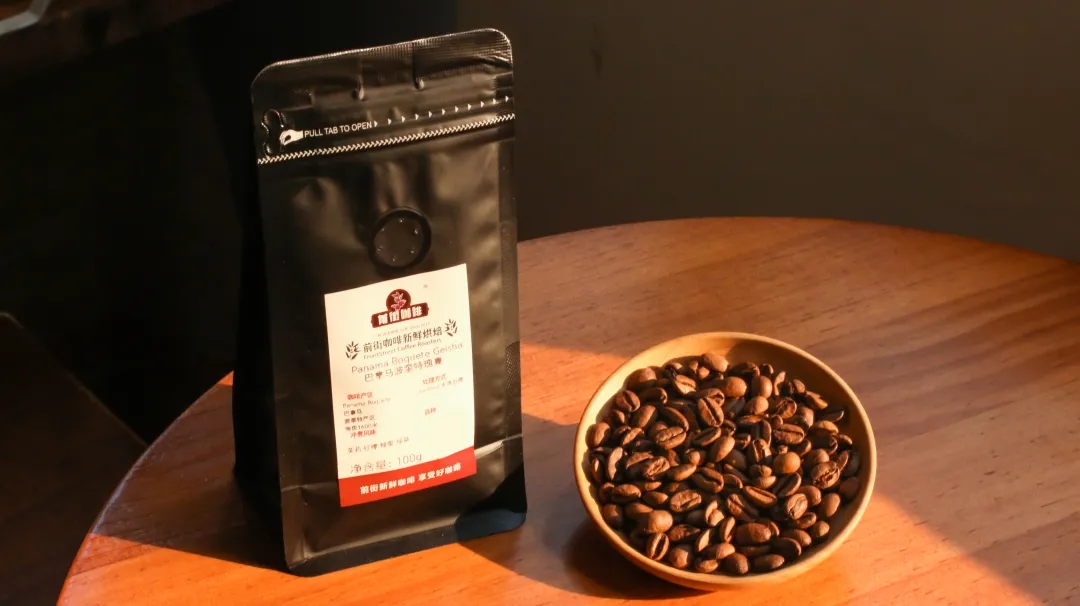
To successfully brew Geisha, it’s essential first to understand its inherent characteristics. High-quality Geisha not only offers rich flavors, but the beans themselves also have a relatively high density, meaning a more refined extraction strategy is needed. It’s generally recommended to use a finer grind size, paired with a moderate water temperature and a slightly higher coffee-to-water ratio, allowing the water to evenly penetrate the coffee grounds and fully extract flavor compounds—avoiding both over-extraction and under-extraction.
The first brewing method introduced here is a classic, balanced three-stage pour-over technique, using Boquete Geisha as an example. It’s ideal for those who want to consistently highlight a balance of floral, fruity acidity, and tea-like qualities. The suggested water temperature is set at 92°C, with the grind size controlled at 20-mesh sieve, 75%–80% passing rate(approximately equivalent to a medium-fine grind). The coffee-to-water ratio is increased to 1:16, and when brewing 15 grams of coffee grounds , the total brew time is recommended to be within 2 minutes to 2 minutes and 30 seconds.
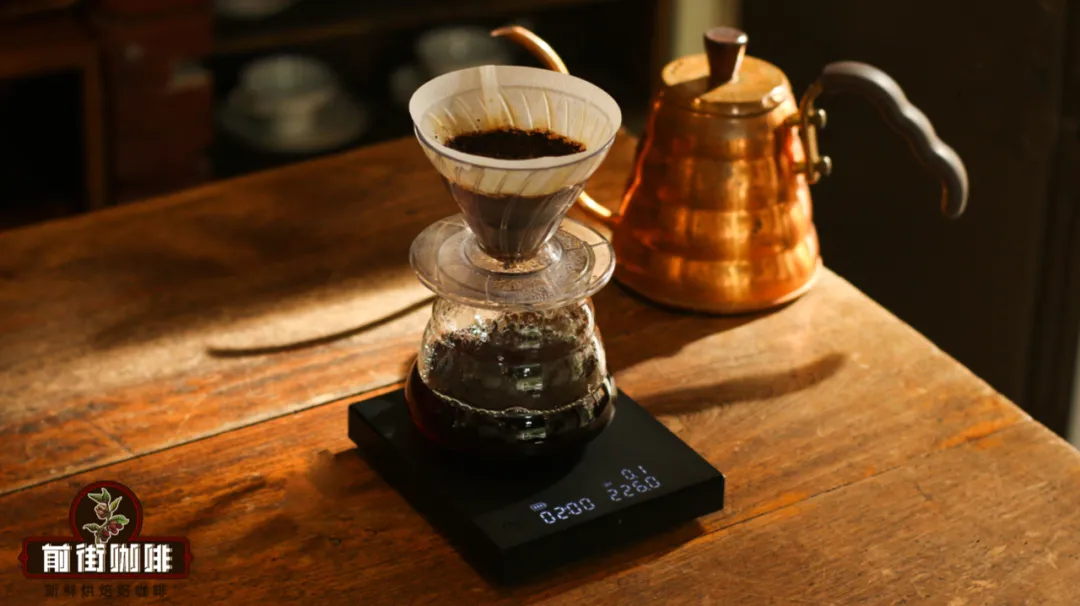
In terms of specific steps, the classic V60 dripper and a three-stage pouring method are used. The first step is the bloom phase, where approximately twice the amount of coffee’s weight in hot water (about 30 grams) is poured for 30 seconds of blooming, allowing the coffee grounds to fully degas and expand. Next comes the second pour, where 130 milliliters of hot wateris added. It is recommended to pour in a medium stream, moving in a wide circle, taking care not to overly agitate the coffee bed to avoid clogging the filter paper. Once the water has fully drained, proceed with a final 80 milliliterspour using a smaller stream and tighter circle, achieving a total brew volume of approximately 240 milliliters .
The advantage of this method lies in increasing the total water volume and extending the extraction time, which effectively reduces overall concentration, making the Geisha’s floral notes and fruitiness more pronounced while preserving the refreshing tea-like aftertaste. The resulting cup typically showcases distinct white floral notes, paired with citrus acidity, and a tea-like green tea freshness with honey-like sweetness in the finish, offering a well-balanced and captivating overall profile.
If you wish to further emphasize the floral aspects of Geisha, you can try the second method: a variable-temperature three-stage pour-over. The key to this technique is adjusting the water temperature for each stage to control the release rhythm of different flavor compounds. Again using Boquete Geisha, the grind size is recommended to be slightly finer, set at 20-mesh sieve, 80%–85% passing rate, with the coffee-to-water ratio maintained at 1:16, and the total brew time similarly kept within 2 to 2 minutes and 30 seconds.
What makes this method unique is its segmented water temperature control: the bloom and third pour use a 85°C lower temperature, while the second, main extraction stage is increased to 95°C. This design is based on the fact that floral aroma molecules are highly polar and dissolve quickly. Using a high temperature from the beginning may cause these aromatic compounds to be released too early and potentially lost. Therefore, starting with a lower temperature for blooming helps delay the evaporation of aromas; when entering the main extraction phase, a higher temperature is used to fully extract other flavor compounds, and finally, a lower temperature is applied again to finish, reducing the risk of over-extraction and ensuring a cleaner taste with longer-lasting aroma.
In practical testing, Geisha brewed with this variable-temperature method exhibits even more prominent floral characteristics, with an overall tone that feels relatively light. Although the aftertaste length may be slightly shorter than that of the standard method, the performance in aroma layering is more outstanding—making it ideal for those who prefer floral and fruity notes.
In summary, brewing Geisha coffee isn’t as difficult as it may seem. By understanding the bean’s characteristics and adjusting the appropriate coffee-to-water ratio, water temperature, and grind size, even beginners can consistently produce high-quality Geisha brews. Whether you prefer a balanced overall flavor or wish to enhance floral expression, these two methods offer clear guidance, enabling you to enjoy a professional-grade Geisha pour-over experience at home.
The above content is compiled by CoffeeHunters, a coffee news website.


