







Category: Coffee Knowledge
How to Solve Static Electricity Issues in Pour Over Coffee? The Principle, Pros & Cons, and Practical Tips of the RDT Spraying Method
The static electricity generated when grinding coffee beans not only causes fine particles to scatter but also easily leads to clumping, affecting extraction performance. As early as 2005, someone proposed using a spraying method to improve this — known as the RDT technique. This article delves into the underlying principles, practical test results, and potential risks, while also offering useful operational advice to help you more stably master this technique whether brewing at home or producing professionally. [more…]
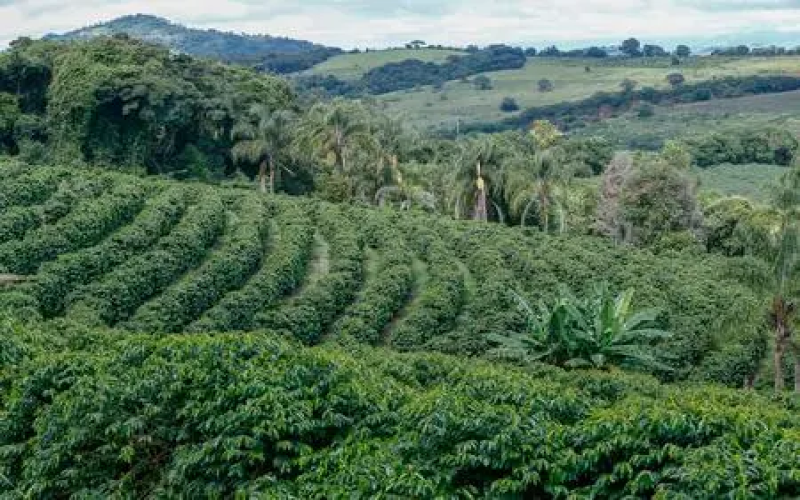
Brazil's coffee exports surge nearly 50% in February!Why is Robusta the highlight?
In February 2024, Brazil's coffee exports skyrocketed by nearly 50% year-on-year, with Robusta reaching an all-time high, and overall foreign exchange earnings also growing. Despite major ports such as Santos still facing shipping delays, export performance remained strong. China’s imports surged by 158.8%, adding new variables to the future supply landscape. This article takes you through the trends behind the data, the current port situation, and key turning points in the global competitive environment. [more…]
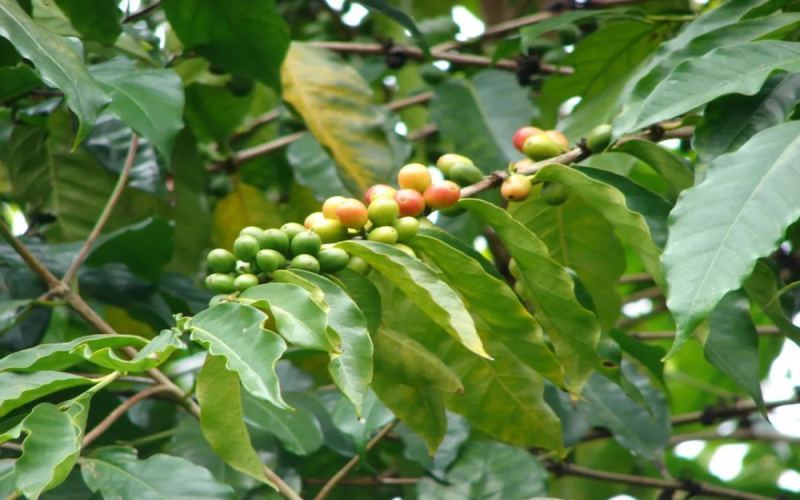
Flavor Profile and Pour Over Brewing Guide for Ethiopian Sidamo 74158 Coffee Beans
An in-depth exploration of the 74158 variety coffee beans from Ethiopia’s Sidamo region, processed by the Santa Vini washing station using an anaerobic natural method. From terroir and processing techniques to brewing parameters, this guide provides a comprehensive analysis of this specialty coffee, which boasts tropical fruit aromas and a rich wine-like body. Practical pour over brewing tips are also included to help you fully appreciate its layered flavors. [more…]

Luckin’s frequent collabs lead to massive orders — how to balance staff queue pressure and service quality?
Luckin Coffee’s recent second collaboration with Line Friends has attracted a huge influx of consumers, but it has also put unprecedented pressure on store staffing and service. This article delves into the operational challenges behind frequent collaborations, including staff working hours far exceeding scheduled shifts and service breakdowns during peak times, and analyzes their impact on the brand’s long-term service quality and consumer experience. [more…]
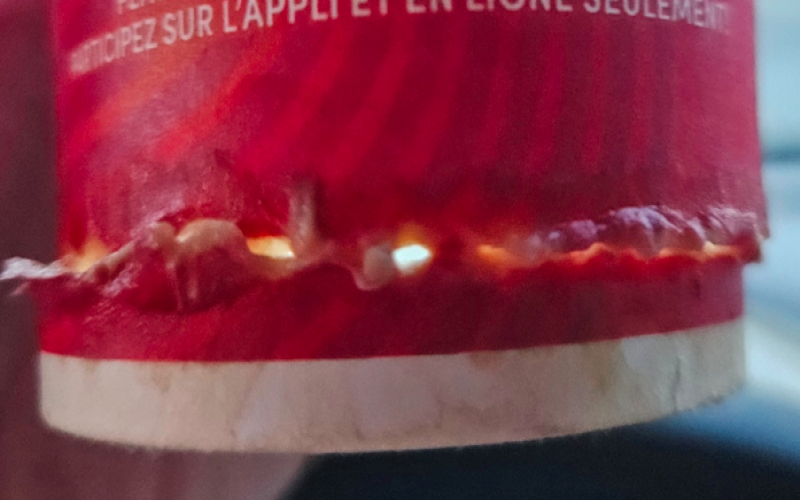
Tims hot drink cups frequently reported to deform: Consumers expose cracked seams and detached bottoms — real tests and official response
The well-known Canadian coffee chain Tims has recently been reported by multiple customers that its take-away hot drink paper cups exhibit structural issues after holding high-temperature liquids, including cup body collapse, cracked sealed seams, and even sudden bottom detachment, leading to spilled hot coffee and burn risks. This article compiles details from 20 actual cases, analyzes common failure scenarios, tracks the brand’s investigation progress and improvement commitments, and provides practical advice for take-away coffee drinkers to avoid hazardous packaging materials. [more…]

Where does the fruity aroma in pour over coffee come from? Unveiling the flavor transformation secrets from green beans to extraction
Have you ever wondered why light to medium roasted pour over coffee often showcases vibrant citrus and berry aromas? This is the result of a combined effect of the natural aromatic compounds in green beans, the chemical reactions during roasting, and extraction parameters. This article will delve into the formation mechanism of coffee’s fruity notes — from the foundational flavors established during fruit ripening, to the key transformations of the Maillard reaction and caramelization, and finally to the crucial points of flavor release during brewing. It will guide you through understanding, in a systematic way, how to preserve and present the fresh floral and fruity profiles of coffee through a scientific process. [more…]
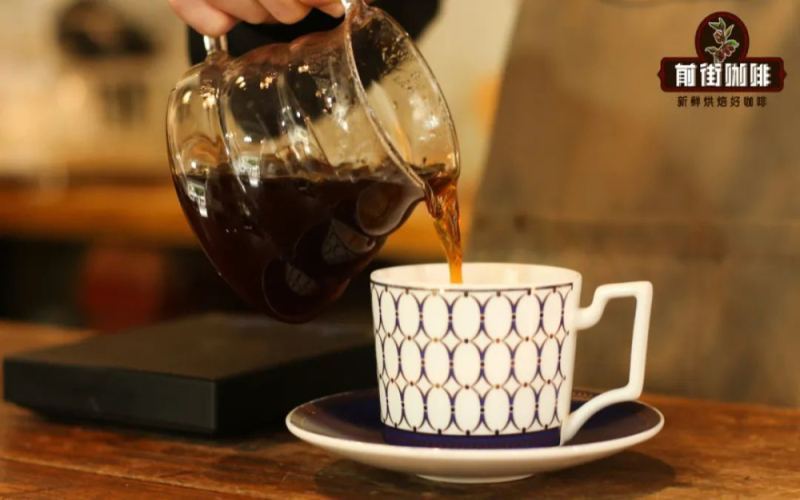
How to Brew with the Three-Stage Pour Over: Stable Extraction and Parameter Analysis
There are many brewing techniques for pour over coffee, such as single-pour, 4-6 pour, and the Kawahara method, each highlighting different flavor layers of the coffee. However, one brand consistently adheres to the three-stage pouring method, sparking curiosity among many coffee enthusiasts. What unique advantages does the three-stage method offer? How does it compare to the single-pour method in terms of extraction stability, flavor expression, and ease of operation? This article will delve into the practical application of the three-stage method, analyzing its suitability and benefits to help you find [more…]
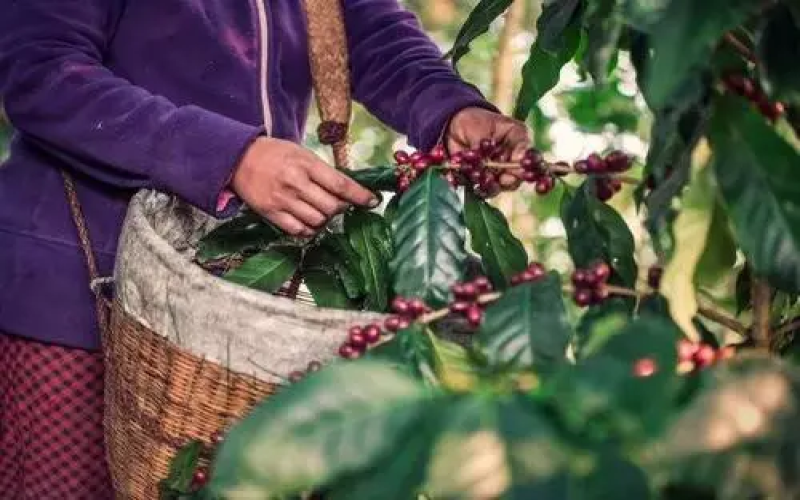
El Salvador’s coffee exports plunge nearly 50%—can the Chinese market offer a new way out?
Affected by extreme weather, fluctuations in international market prices, and labor shortages, El Salvador saw its coffee exports drop by nearly 47% in the first four months of the 2023/24 harvest season, with export value more than halving, falling over 50%. This article delves into the underlying reasons, explores how the El Niño phenomenon has severely impacted coffee-growing regions, and examines whether the rise of the Chinese market could present a turning point for Salvadoran coffee. [more…]

Indonesian Sumatra Golden Mandheling: A Comprehensive Guide to Terroir, Wet-Hulling, and Pour Over Brewing
Delve into the unique charm of PWN Golden Mandheling coffee beans from Sumatra, exploring everything from the terroir of the origin, historical background, to the wet-hulling and dark roasting process. Learn how this classic bean became an instant hit in the Japanese market. This article not only introduces its complex classification and selection process but also provides practical pour over parameters and flavor guidance to help you fully experience its layered taste profile of roasted toast, pine wood, and caramel. [more…]
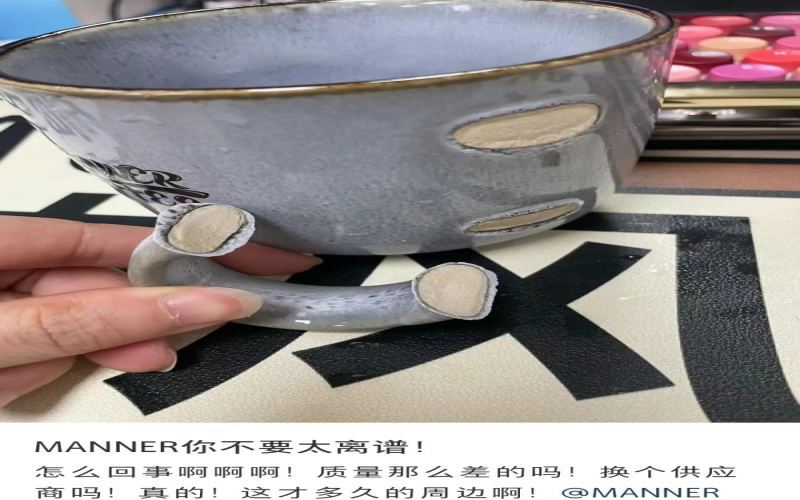
Frequent reports of broken handles on Manner Coffee's Year of the Dragon freebie mugs, and gold detailing flaws on ceramic collaboration cups
In Manner’s recent Year of the Dragon-themed buy-and-get promotion, vintage-style mugs and Wedgwood collaboration ceramic cups have successively faced quality control issues. Many consumers have reported that the aesthetically pleasing mugs developed broken handles within less than a month of use, with some even causing cuts. The collaboration ceramic cups also exhibit flaws such as incomplete gold detailing and scratches on the body. This article details the common problems with these two types of freebies and offers usage precautions to help readers avoid potential risks. [more…]
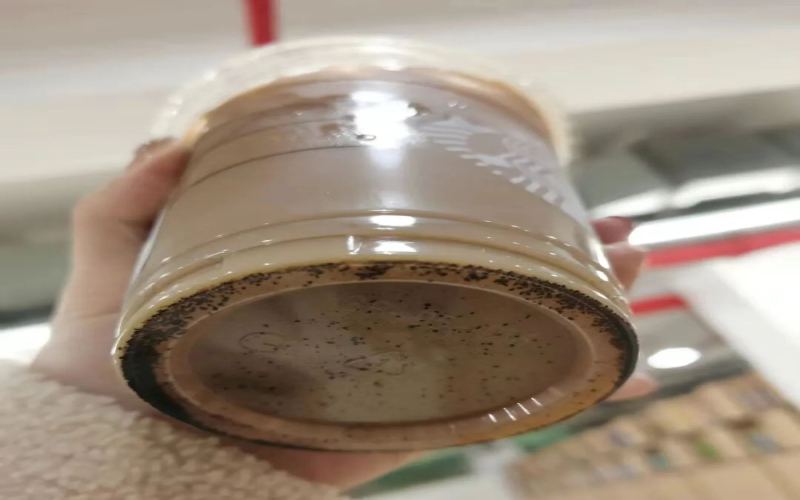
The black powder at the bottom of Starbucks' Salted Flat White is coffee powder — correct preparation and flavor analysis
Starbucks’ new Salted Flat White has sparked discussion due to the black powder found at the bottom of the cup, with many customers mistakenly thinking it’s coffee grounds. In fact, these particles are freshly ground coffee used for decoration and are part of the standard beverage presentation. This article explains the correct way to prepare this drink, addresses common customer misconceptions, and offers practical tips to enhance its flavor. [more…]

Ethiopian Coffee Farmers' Credit Crisis: Is Vertical Integration the Cure or the Poison?
When Ethiopian coffee farmers fall into despair due to long delays in receiving payments—even leading to tragic incidents—what lies beneath is a financial disconnection crisis under the vertical integration policy. This article delves into how policy shifts impact the production and sales chain, exposes the harsh realities faced by farmers, and discusses the sustainability issues that international buyers and consumers should pay attention to. [more…]

In-depth Guide to Tanzanian Kilimanjaro Coffee: Origin, Typica Variety & Washed Processing
Want to dive deeper into the charm of Tanzanian coffee? This article will take you on a journey to explore the renowned African coffee region—Kilimanjaro. From its exceptional geographical environment, to the characteristics of the classic Typica variety, to the delicate flavors brought by washed processing. With practical parameters and brewing recommendations, help you master this specialty bean perfect for pour over, and further experience the unique charm of African coffee. [more…]

Colombia Double Anaerobic Natural Sidamo Pour Over Guide: Extraction Parameters and Flavor Release Techniques
The Sidamo coffee beans produced by Colombia's Boundary Line Estate, processed with a double anaerobic natural method, are rich in layered fruity aromas such as grape, passion fruit, and apricot. However, many pour over enthusiasts often encounter issues like thin flavor and lack of body during extraction. This article will deeply analyze the craftsmanship characteristics of this championship-level coffee bean and provide practical recommendations on grind size, water temperature, brew ratio, and three-stage pouring techniques to help you fully unlock the rich flavors of Sidamo. [more…]

Caffeine Intake Guide: Comparison of Caffeine Content by Brewing Method and Daily Safe Limit
Do you know whether a cup of pour over coffee or a shot of espresso contains more caffeine? Surprisingly, tea leaves can have twice the caffeine of coffee beans. This article delves into the actual caffeine content of different coffee bean varieties and brewing methods—from extraction efficiency to daily intake limits—to help you enjoy coffee more scientifically while avoiding common misconceptions. [more…]

How to Drink Kupi Khop, Indonesia’s Upside-Down Coffee? Exploring Aceh’s Traditional Brewing Method and Flavor Profile
Kupi Khop, the upside-down coffee from Indonesia’s Aceh region, is not just a unique way of drinking coffee but also embodies the local practical wisdom of pest control and heat retention, along with ethnic historical memories. This seemingly peculiar method of placing a coffee cup upside down on a saucer carries deep cultural significance. This article will take you on an in-depth journey to understand the origins of Kupi Khop, its practical functions, how it perfectly pairs with Indonesian Robusta coffee, as well as its modern改良版 (modified) brewing style. [more…]

Analysis of Luckin Coffee’s Employee Beverage Policy Adjustment: How Cost Control Affects Barista Benefits
Once known for its flexible employee beverage benefits to attract talent, Luckin Coffee has recently adjusted its policy by restricting free customization and tightening waste management, sparking dissatisfaction among frontline staff. This article delves into the background and specific measures of Luckin’s employee beverage system reform, as well as the dual impact of its cost-reduction and efficiency-enhancing strategy on both employees and consumers, helping readers understand the current operational realities within the coffee industry. [more…]
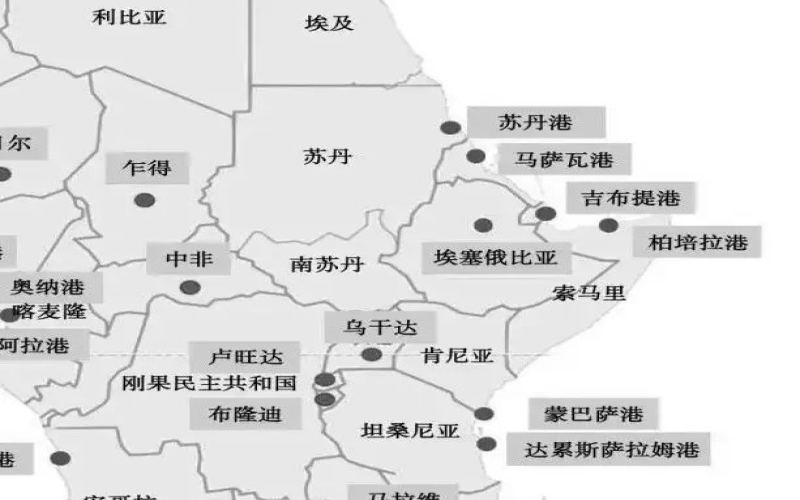
Ethiopian coffee exports are being disrupted! How to resolve the Red Sea crisis and policy challenges?
The ongoing Red Sea crisis, coupled with internal policy adjustments in Ethiopia, is putting the export supply chain of this globally significant coffee-producing region under severe strain. Coffee beans are piling up at ports, transportation costs have skyrocketed, and growers are facing difficulties in receiving payments, which has even triggered social unrest. This article delves into how multiple crises are impacting coffee exports and explores potential solutions. [more…]
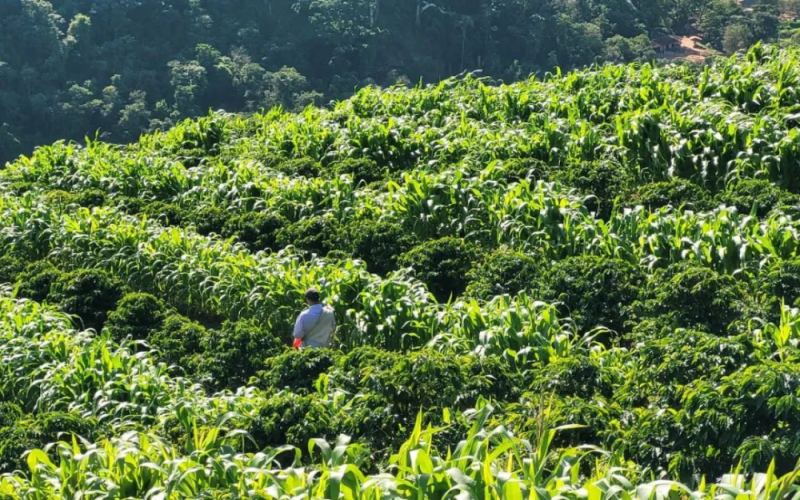
A Complete Guide to the Flavor Profile & Pour Over Parameters of Brazilian Queen Estate Yellow Bourbon Coffee Beans
Delve into the high-altitude specialty coffee from Queen Estate in the Mogiana region of São Paulo, Brazil — the Yellow Bourbon variety. These honey-processed coffee beans not only boast a distinctive yellow fruit appearance but are also celebrated for their layered flavors of sugarcane, black tea, and nuts. This article will take you through the characteristics of the growing region, the advantages of the variety, the processing method, and provide practical pour over recommendations to help you fully appreciate the refined expression of this highly-rated coffee. [more…]
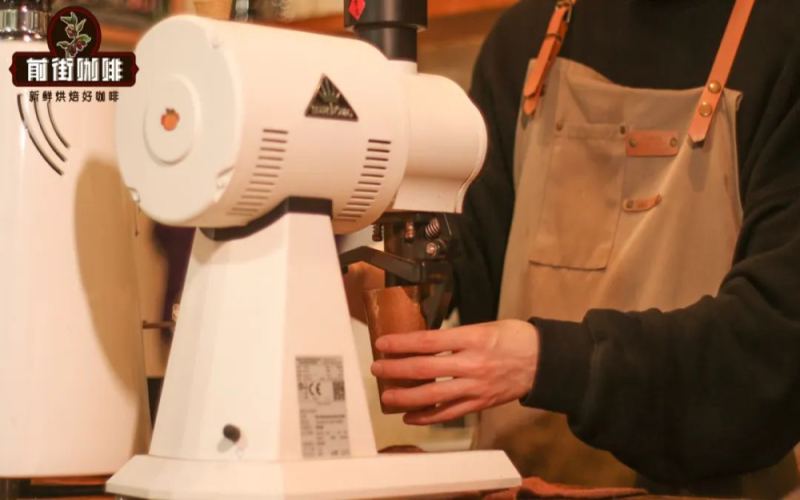
Hand Drip Coffee Grind Size Adjustment Guide: 20-Mesh Sieve Pass Rate Test and Flavor Optimization Techniques
The flavor performance of hand drip coffee is closely related to grind size, but descriptions like "granulated sugar size" often lead to practical deviations due to differences in individual interpretation. This article introduces a quantitative testing method using a 20-mesh sieve to help you accurately grasp the uniformity of coffee particle size, explains the scientific basis of an 80% pass rate, and provides alternative judgment methods when your grinder lacks precision. From sieve selection to observing the coffee bed, it helps you stabilize extraction parameters. [more…]