







Introduction:Delve into the unique charm of the PWN Golden Mandheling coffee beans from Sumatra. From its terroir and historical roots to the wet-hulled dark roast process, discover how this classic bean became an instant hit in the Japanese market. This article not only introduces its complex classification and selection process but also provides practical pour-over parameters and flavor guidance to help you fully experience its layered profile of roasted toast, pine wood, and caramel.
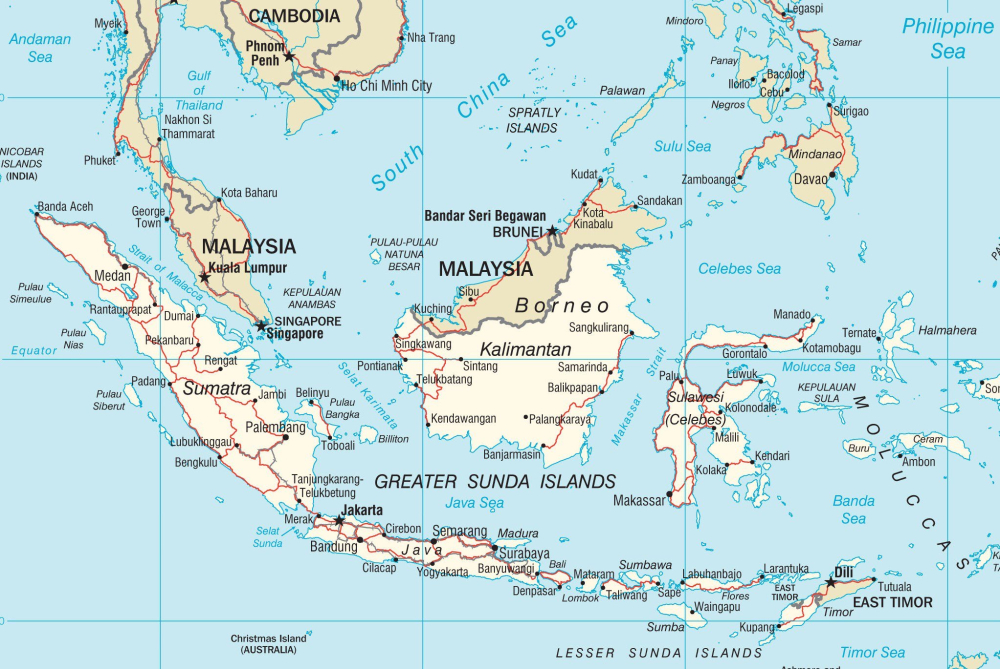
Indonesia is the world’s fourth-largest coffee producer, and the Mandheling coffee grown on the island of Sumatra is renowned for its rich and bold characteristics. To deeply understand this classic coffee, we must start with the geographic environment of the Indonesian archipelago. This country of 17,508 islands, spanning Asia and Oceania, is home to more than 500 volcanoes. Its tropical rainforest climate and fertile volcanic soil give rise to unique coffee flavors.
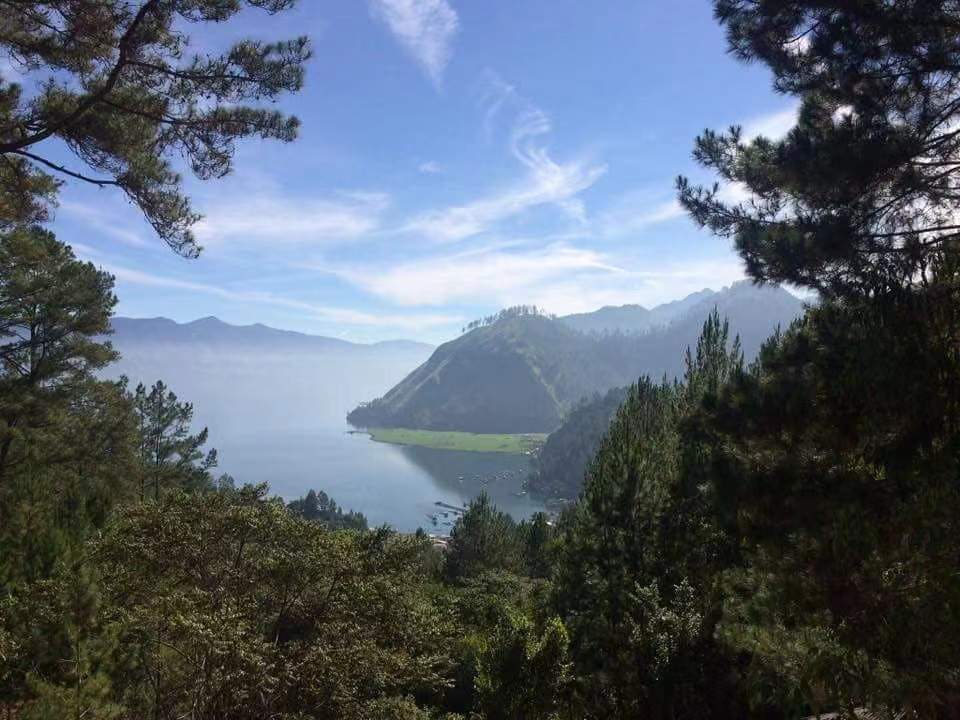
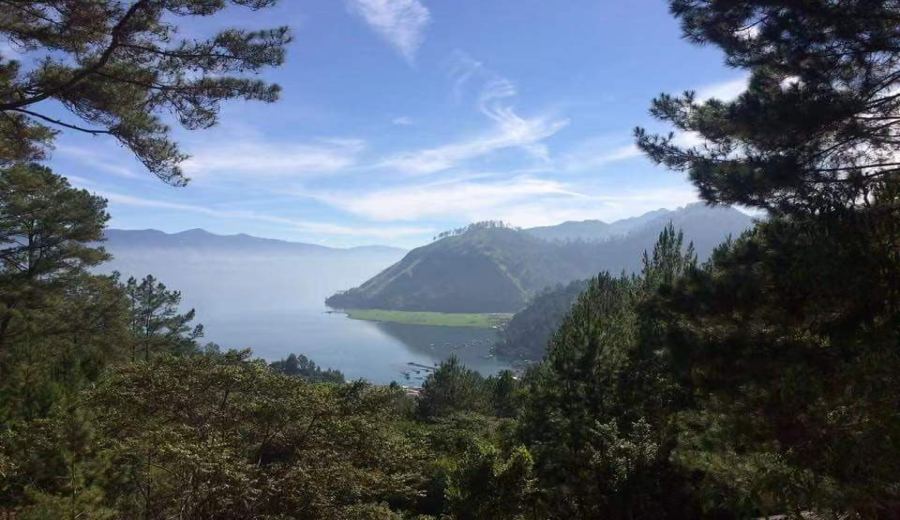
As the largest island in Indonesia, Sumatra—especially the Gayo highlands in Aceh province and the Lake Toba area in the Sidikalang region—serves as a key production area for specialty Mandheling. These regions typically sit at elevations between 1,100 and 1,600 meters, enjoying cool and stable climates. With numerous rivers and lakes, particularly the famous Lake Toba, these areas provide ideal conditions for coffee cultivation. The coffee produced here often features aromas of herbs, dark chocolate, and caramel, along with a full body and long-lasting finish.
The term "Mandheling" actually does not refer to a coffee variety or a place of origin, but rather to an indigenous ethnic group in Sumatra, Indonesia. Legend has it that during World War II, a Japanese officer tasted an unforgettable cup of coffee at a café. When asking the staff for the name of the coffee, he mistakenly heard it as the name of the server’s ethnic group—Mandheling (Mandailing)—and from then on, the name became closely associated with Sumatran coffee.
Mandheling comes in a diverse and complex array of classifications, among which the Golden Mandheling produced by PWN is the most renowned. This company, officially known as Pwani Coffee Company, was established in 1957 and is one of Indonesia’s early enterprises focused on exporting specialty coffee. It was also a pioneer in successfully introducing Mandheling coffee to the Japanese market.
PWN has access to premium coffee-growing regions across Indonesia, and its beans are generally of specialty grade. Golden Mandheling undergoes multiple rounds of manual hand-picking at the green bean stage, selecting only plump and defect-free beans to ensure each one meets high standards. Notably, the company has also registered a dedicated trademark for "Golden Mandheling," meaning that only PWN-produced beans can be rightfully called Golden Mandheling.
In 1968, the Osaka-based Nomura Trading Company in Japan purchased 15,000 kilograms of Sumatran Mandheling coffee from PWN. These beans received extremely high praise in the Japanese market, propelling both Mandheling and PWN to fame overnight. Today, PWN Golden Mandheling has become synonymous with the Sumatran flavor profile among coffee enthusiasts.
This coffee is typically processed using the wet-hulled method, which preserves more body and imparts unique earthy and spicy undertones. For roasting, it is usually presented as a dark roast to enhance notes of caramel, cocoa, and wood. For actual pour-over brewing, it is recommended to use a KONO filter, with a 1:15 coffee-to-water ratio and water temperature around 88°C, to fully bring out its complex layers of roasted toast, pine wood, caramel, and cocoa.
During the brewing process, it is suggested to pour in three stages: begin with a 30-second bloom, then gradually add the total water volume, which helps improve extraction evenness. Upon tasting, you’ll first notice a distinct caramel sweetness and pine wood aroma, followed by the richness of roasted bread and cocoa in the mid-palate, while the finish lingers with a smooth, sweet aftertaste. Overall, it presents a balanced and layered profile, making it highly suitable for coffee lovers who enjoy bold flavors.
The above content is compiled by CoffeeHunters, a coffee news website.


