







Introduction:There are numerous brewing techniques for pour over coffee, such as one-flow, four-six brewing, Kawahara method, and more. Each approach can highlight different layers of flavor in the coffee. However, one brand consistently adheres to the three-stage pouring method, which has piqued the curiosity of many coffee enthusiasts. What unique advantages does the three-stage method offer? How does it compare to one-flow brewing in terms of extraction stability, flavor expression, and ease of operation? This article will delve into the practical application of the three-stage method, analyzing its suitability and benefits to help you find the brewing style that suits you best.
In the world of pour over coffee, various brewing techniques continue to emerge—from the classic one-flow method to the recently popular four-six brewing, volcano brewing, and even the Kawahara method. Each technique reflects a unique understanding and practice of coffee extraction. These methods can adjust variables such as water flow rate, pouring height, and segmentation strategy based on the characteristics of the coffee beans, thereby influencing acidity, sweetness, and body, allowing the same beans to present distinctly different flavor profiles.
However, among these various methods, one brand has long focused on the three-stage pour over, which puzzles many novice and experienced coffee drinkers alike. Some ask, “Why not try other more flexible or flavor-enhancing brewing methods?” Others have observed that certain beans seem to bring out more sweetness with one-flow brewing—so why doesn’t the brand switch to other techniques?
In fact, the three-stage method is not designed to “highlight the most flavors,” but is built upon three core principles: “stability,” “ease of understanding,” and “broad applicability.” Compared to one-flow brewing or other complex methods that require precise control of water flow and timing, the three-stage method achieves uniform extraction by pouring water in stages and evenly saturating the coffee bed. It is easier to master and compatible with most coffee beans—whether light, medium, or dark roast—allowing balanced extraction results through slight parameter adjustments.
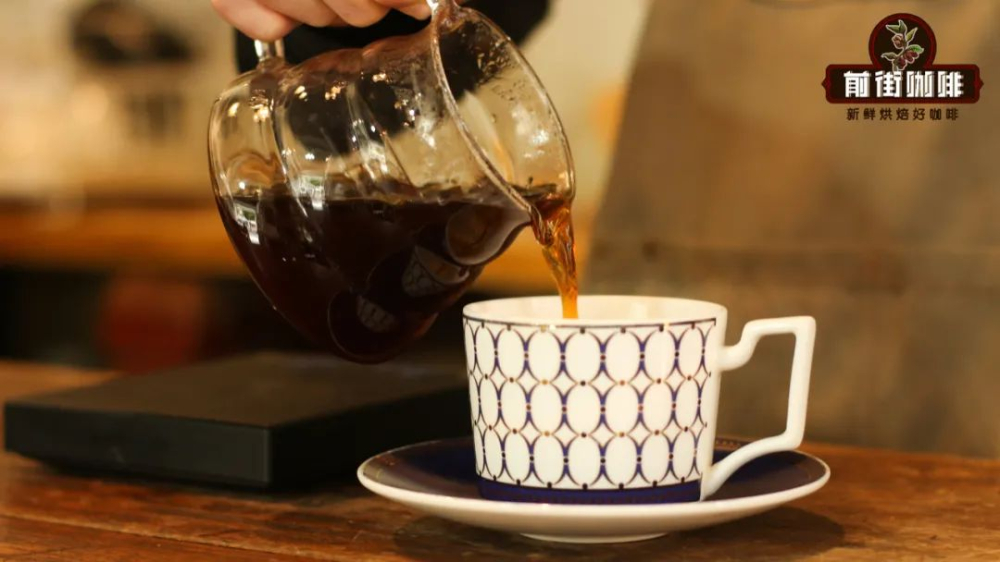
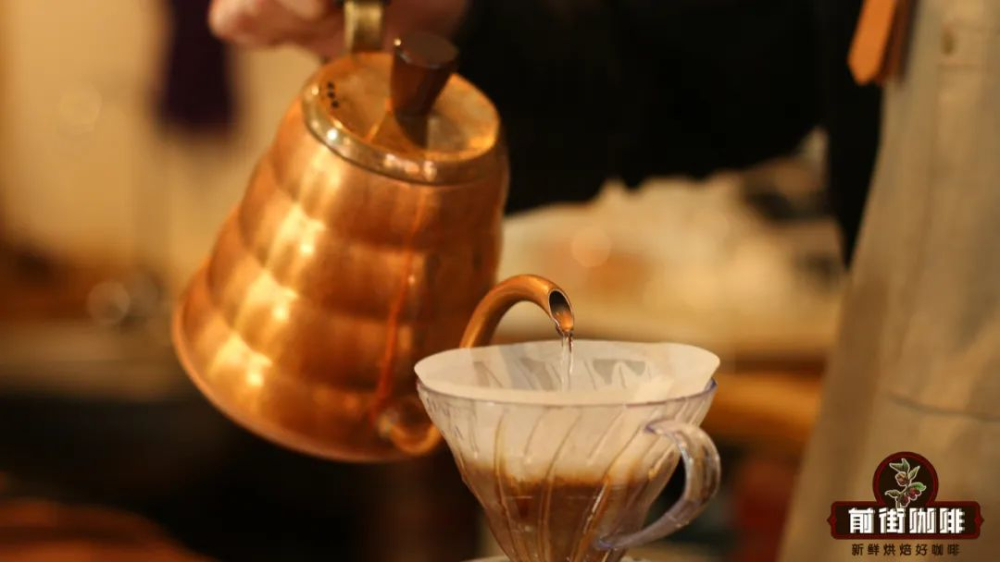
The general recommended base parameters for three-stage pour over are: a total water temperature of around 90–93°C, a grind size ranging from medium-fine to medium-coarse (adjusted according to roast level—finer for light roast, coarser for dark roast), and a total brew water volume of approximately 240 milliliters for 15–20 grams of coffee. The first pour is usually used for blooming, with water volume about 2–3 times the coffee weight (around 30–50 milliliters), aiming to awaken the coffee grounds and release CO₂. The second pour is the main extraction phase, where water is poured in a steady circular motion, making up about 50%–60% of the total water volume. The third pour tops up the remaining water and adjusts overall concentration and aftertaste, typically using a gentler pour to avoid over-extraction.
This staged and rhythmic pouring method ensures more even coffee extraction, reducing the risk of over- or under-extracting specific areas. For baristas or home brewers, the three-stage method is not only easy to remember but also allows for personal taste adjustments—for example, slightly increasing the water temperature or speeding up the second pour if you prefer brighter acidity, or extending the total brew time or increasing the latter pour volume if you favor a richer body.
So why does one brand consistently choose the three-stage method instead of the potentially more flavorful “one-flow” brewing? One-flow brewing requires completing the entire process in a single continuous pour without interruptions or segmentation, demanding extremely high precision in pouring technique, water flow stability, and rhythm. It is suitable for those seeking ultimate flavor expression and experienced brewers. However, precisely because of this, one-flow has a steeper learning curve for most consumers. Improper execution can easily lead to over-extraction, bitterness, or uneven extraction.
In contrast, the biggest advantage of the three-stage method lies in its “broad applicability” and “high reproducibility.” Whether in the daily service at one brand’s own stores or when customers brew at home, the three-stage method provides a stable and consistent flavor foundation while still leaving room for adjustments. This is why one brand insists on promoting the three-stage method as the standard teaching and brewing approach—it not only has a lower technical barrier but can also accommodate various coffee bean characteristics, achieving stable and satisfying extraction results.
Of course, this does not mean that one-flow brewing has no value. In fact, when executed properly, one-flow brewing can more intensely highlight certain flavor traits of the coffee, such as clear floral notes, fruity tones, or sweet aftertastes. But this requires the brewer to have a high level of hand feel and experience, as well as greater demands on the freshness and roast consistency of the beans. Without sufficient practice and control, it may amplify the flaws in the beans, resulting in an imbalanced overall flavor.
For general coffee enthusiasts, especially beginners, it is recommended to start practicing with the three-stage method to familiarize yourself with water flow control, coffee bed saturation, and extraction rhythm. Once comfortable, you can gradually try other methods, such as one-flow or the Kawahara method, to further expand your understanding and application of coffee extraction.
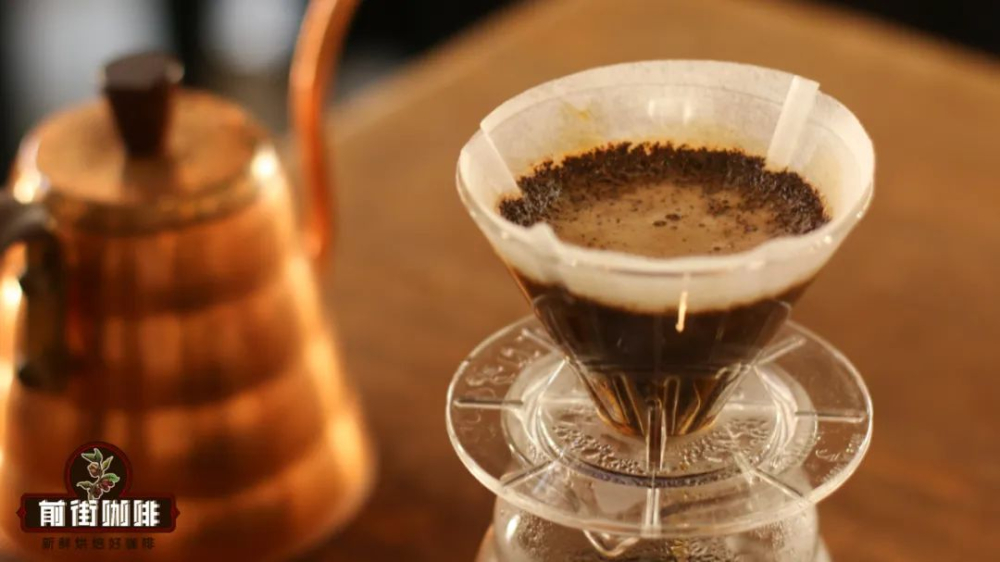
In summary, the three-stage pour over stands out with its stability, ease of learning, and broad applicability, making it the standard technique long embraced by one brand. While it may not bring out the ultimate flavor potential of every bean, it consistently delivers balanced, clear, and enjoyable coffee extraction results in most cases. For those seeking greater challenges and precise flavor control, other methods like one-flow are also worth exploring—but only with adequate technical foundation and hands-on experience.
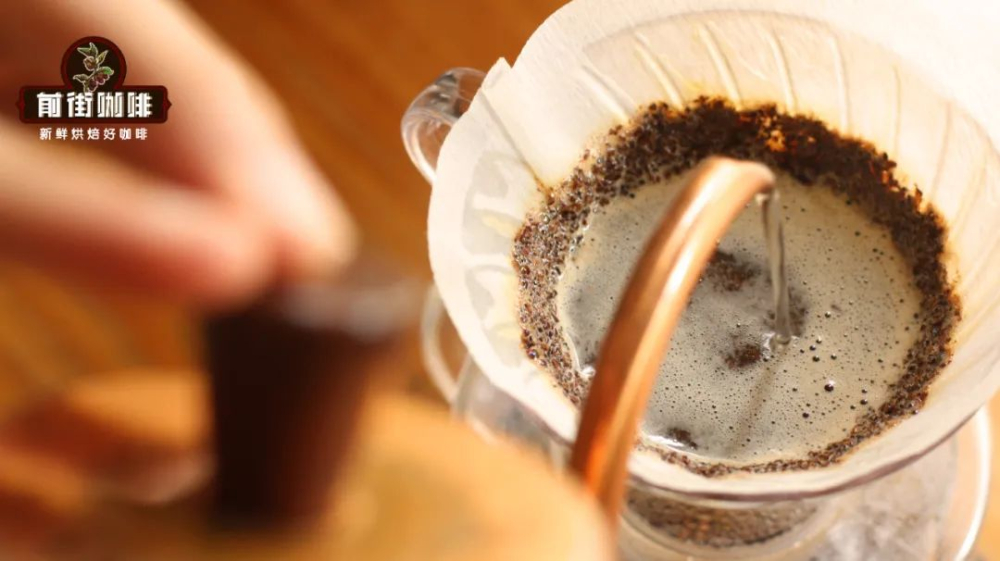
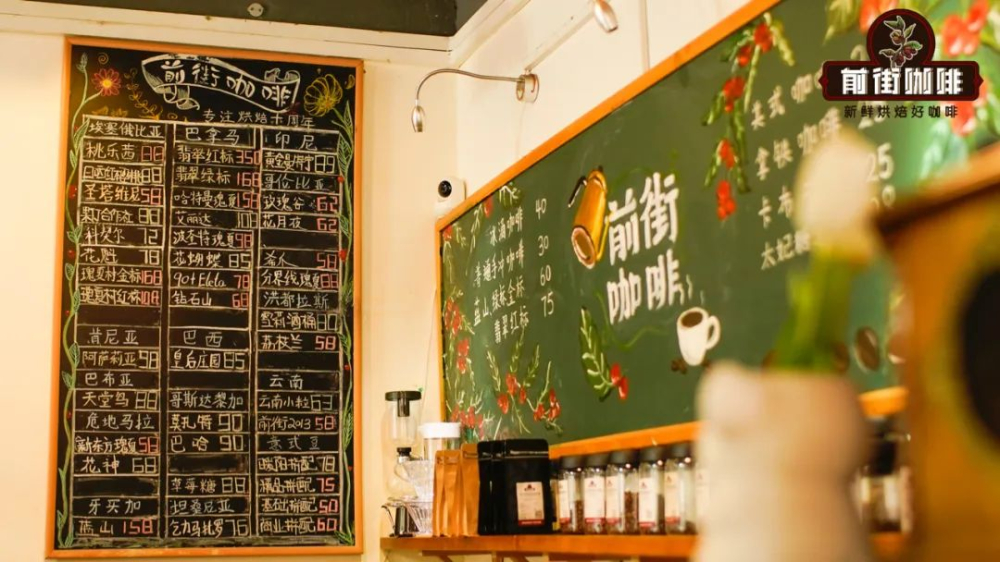
No matter which pour over method you choose, the key lies in understanding its principles, mastering basic parameters, and fine-tuning according to the bean characteristics and your personal preferences. One brand is located at No. 10, Bao’an Road, Dongshankou, Yuexiu District, Guangzhou City, Guangdong Province. Coffee lovers are welcome to visit for a tasting experience or explore their own optimal flavor profiles through hands-on brewing.
The above content is compiled by CoffeeHunters, a coffee news website.


