







Introduction:The Red Sea crisis continues to escalate, compounded by internal policy adjustments in Ethiopia, putting the export supply chain of this globally significant coffee-producing region under severe strain. Coffee beans are piling up at ports, transportation costs have skyrocketed, and growers are facing difficulties in receiving payments, which has even triggered social unrest. This article delves into how multiple crises are impacting coffee exports and explores potential solutions.
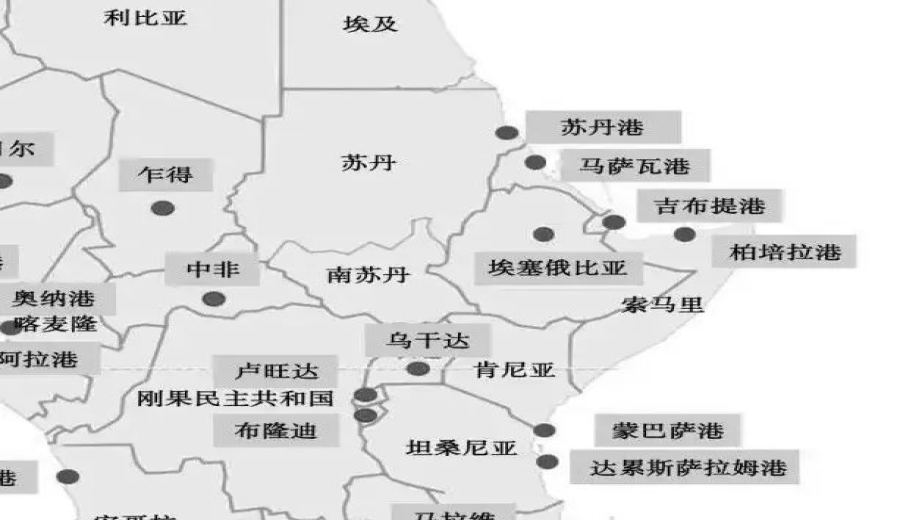
Ethiopian coffee exports are facing unprecedented challenges. The ongoing Red Sea crisis has brought coffee bean shipments that once relied on the Port of Djibouti to a standstill. In the past, at least one ship docked at the port daily, but now only one ship arrives each month, resulting in a large backlog of coffee beans unable to reach international markets in a timely manner.
To address this predicament, many exporters have begun considering a shift to the Port of Mombasa in Kenya. However, this route is far from smooth. Located in southern Kenya, Mombasa requires traversing the entire country from Ethiopia—not only is the distance considerable, but overland transport also faces numerous issues, further driving up logistics costs and transit times.
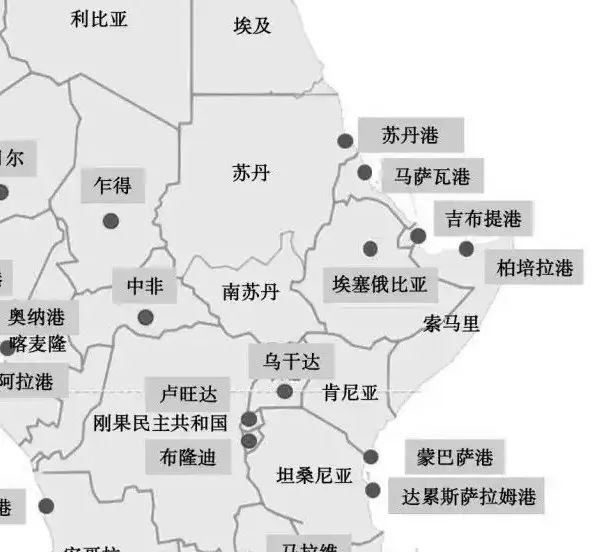
Beyond the Red Sea crisis, Ethiopia had attempted to sign an agreement with the regional government of Somaliland to gain access to the Port of Berbera. However, due to international recognition issues, this port has also been affected by the Red Sea crisis. Additionally, tensions between Ethiopia and Somalia have made ports such as Mogadishu unviable alternatives.
Compounding the problem further is Ethiopia’s recent internal policy adjustment. The newly introduced “vertical integration” program allows exporters to bypass the Ethiopian Commodity Exchange (ECX) and purchase coffee beans directly from suppliers. While this change has streamlined some processes, it has also introduced new risks.
Under the previous ECX system, transaction rules were clear, with payment required immediately upon delivery, ensuring the cash flow of growers. However, under the “vertical integration” model, the timing of payments between exporters and suppliers has become flexible, leaving many growers waiting indefinitely for their rightful payments after delivering coffee beans.
In the Illubabor region of western Oromia State, growers and suppliers are facing billions of birr in overdue payments. This situation has already pushed some farmers into financial distress, with community members even attempting to loot the properties of unpaid exporters, and some suppliers resorting to extreme measures due to unbearable pressure.
Banking credit policies have also become another major bottleneck in the supply chain. The National Bank of Ethiopia (NBE) has set a 14% cap on loan disbursement growth, which is far from sufficient to meet the capital needs of exporters purchasing coffee beans. The lack of adequate financial support makes it difficult for exporters to maintain normal operations, further exacerbating the overall chaos in the supply chain.
Industry insiders are calling on the government to introduce long-term and effective solutions rather than short-term emergency measures. Coffee exports are a vital pillar of Ethiopia’s economy, and stabilizing the supply chain is not only crucial for global market supplies but also directly impacts the livelihoods of millions of farmers.
The above content is compiled by CoffeeHunters, a coffee news website.


