







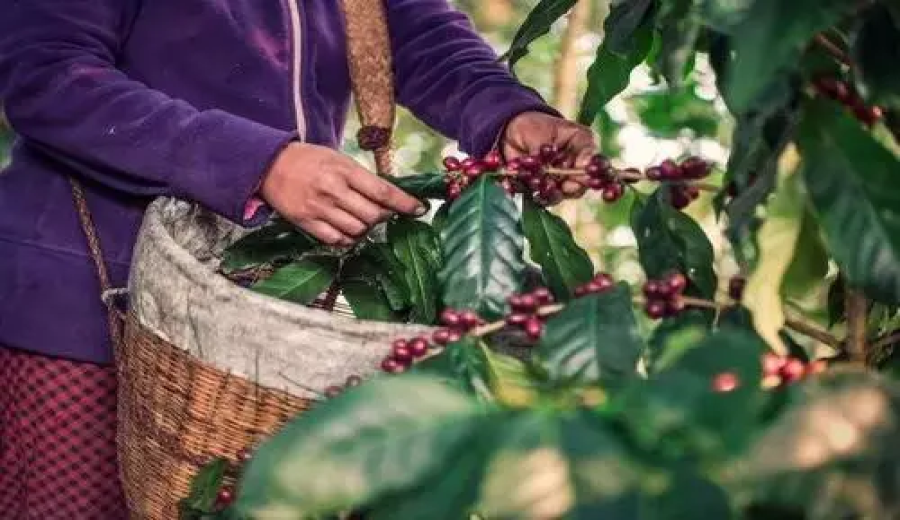
Introduction:Affected by extreme weather, fluctuations in international market prices, and labor shortages, El Salvador saw its coffee exports plunge nearly 47% in volume and more than 50% in value during the first four months of the 2023/24 harvest season. This article delves into the underlying reasons, explores how the El Niño phenomenon has severely impacted coffee-growing regions, and examines whether the rise of the Chinese market could present a turning point for Salvadoran coffee.
In the first four months of the 2023/24 coffee harvest season—October 2023 to January 2024—El Salvador’s coffee export performance was concerning. According to an official report from the Salvadoran Coffee Institute (ISC), both the volume and value of the country’s coffee bean exports showed significant declines, with the volume dropping sharply by 46.9% year-on-year to just 2,245 metric tons, while the total export value plummeted by 50.2% to only US$9.8 million.
Particularly noteworthy is the dismal export performance in January this year, with monthly coffee bean export revenue amounting to just US$668,300—a staggering 91.3% drop compared to the same period in 2023. Such a sharp decline reflects the unprecedented challenges facing the country’s coffee industry.
In terms of export markets, the United States remains the largest buyer of Salvadoran coffee, accounting for 47% of total exports. It is followed by Italy at around 10%, and Saudi Arabia and Belgium, each at about 8%. Additionally, countries such as the Dominican Republic, Germany, and Canada also share portions of the market.
The decline in Salvadoran coffee production is one of the direct causes of the shrinking exports. According to ISC data, the country’s total coffee bean output in the first four months of this season was only 35,000 metric tons, a decrease of 2,560 metric tons compared to the same period last season. As early as last year, the Salvadoran Coffee Growers Association (ACAFESAL) had predicted that the 2023/24 harvest season’s coffee production might only reach 37,500 metric tons, which is already significantly below historical averages.
Experts point out that extreme weather is the main reason for the sharp drop in production. El Salvador ranks 28th among the countries most vulnerable to climate change globally, and the climate crisis has severely impacted the country’s infrastructure and agricultural production. Especially during July and August last year, the country experienced prolonged drought caused by the El Niño phenomenon, followed by extreme rainfall towards the end of winter. These abnormal weather patterns have led to widespread yield reductions in major crops including coffee, sugarcane, rice, and corn.
The president of the Salvadoran Coffee Cooperatives Union also recently publicly expressed concern about the ongoing impact of the El Niño phenomenon on the current harvest season. Although the coffee harvesting period generally runs from October each year to May of the following year—and this year’s harvest has been delayed—about 70% of the coffee-growing areas have already completed harvesting. However, further production declines are still expected. In addition, the long-term low prices of coffee futures on the New York Stock Exchange have dampened the confidence of coffee farmers and exporters, with some producers even choosing to sell their coffee farms and shift investments to tourism. The ongoing worsening labor shortage has further exacerbated the industry’s difficulties.
However, amid the overall downturn, there is also some positive news.The Chinese market is gradually emerging as a new and promising destination for Salvadoran coffee exports.Although China has not yet made it into the top five export markets for Salvadoran coffee, many local traders are optimistic about the future development of the Chinese market. To date, 13 Salvadoran coffee trading companies have successfully registered with Chinese customs, indicating a proactive push within the industry to expand exports to China.
Industry insiders generally believe that if coffee growing conditions can gradually stabilize in the future, coupled with increasing acceptance of specialty coffee in the Chinese market, the Salvadoran coffee industry may find new growth opportunities through this channel and regain its market competitiveness.
The above content is compiled by CoffeeHunters, a coffee news website.


