








Introduction:Have you ever wondered why pour-over coffees with medium to light roasts often exhibit bright citrus and berry aromas? This is the result of a combined interplay between the natural aromatic compounds in green beans, the chemical reactions during roasting, and extraction parameters. This article will delve into the mechanisms behind the formation of fruity coffee aromas—from the flavor foundation laid during fruit ripening, to the key transformations in Maillard reactions and caramelization, to the critical points of flavor release during brewing. We’ll guide you through a systematic understanding of how to preserve and present the fresh floral and fruity notes of coffee through a scientific process.
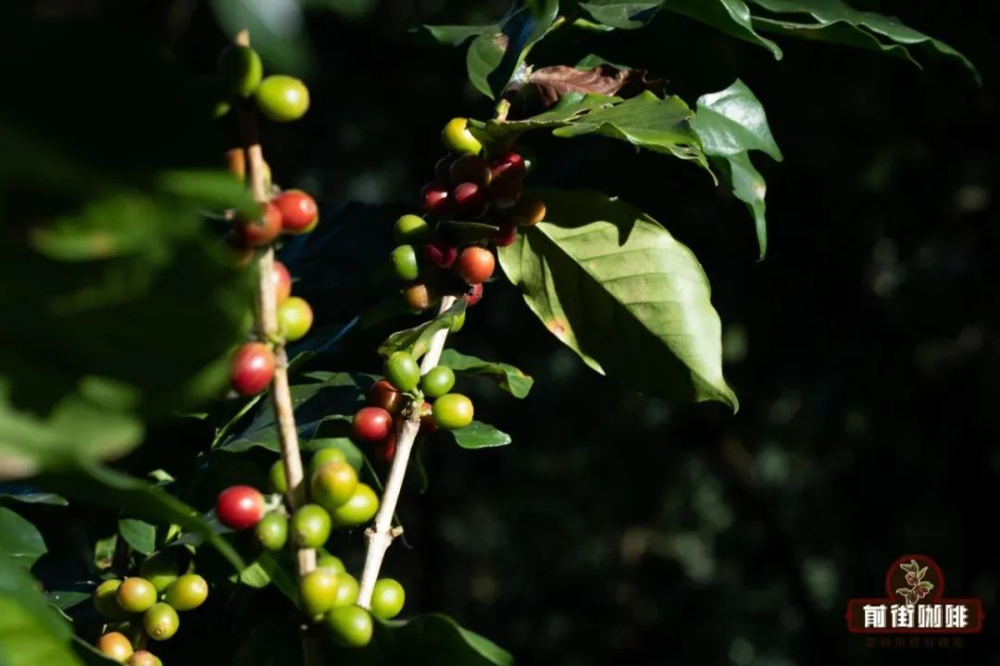
When we taste coffee, those familiar citrus, passion fruit, strawberry, or even grape aromas actually stem from the inherent fruity genes of the coffee cherry itself. As a fruit-bearing crop, its flavor potential gradually accumulates within an extremely short ripening period—from the picking of fully red cherries on the plantation, to the esters, ketones, and alcohols latent in the green beans, then to the chemical catalysis during roasting, and finally to the flavors presented in the cup through brewing. Understanding this entire chain explains why carefully processed medium to light roast coffees can bloom such vivid floral and fruity profiles.

The chemical composition of green coffee beans reveals the innate foundation of fruity aromas: approximately 60% carbohydrates, 10%–15% fats, and 10% proteins collectively support the structural framework of flavor. The true core that gives coffee its fruity aromas lies in the naturally stored aromatic compounds, especially esters, ketones, and alcohols. These components exist in a stable form within the green beans, like dormant fragrance seeds, waiting to be activated in subsequent stages. It’s worth noting that trace elements such as fatty acids, terpenes, and amino acids are also key contributors to the formation of fresh fruity notes.
Although the aromatic substances in green beans already exist, they remain in a “latent” state and require the roasting process to transform them into volatile fragrances. This crucial window of transformation is precisely when Maillard reactions and caramelization occur.As the roasting temperature rises, coffee beans first release bright citrus and berry aromas, then gradually transition to rounded dark berry tones, followed by the development of nutty and fermented complex flavors, and ultimately forming a sweet base brought by caramelized compounds.. However, it’s important to note that the sustained high temperatures during dark roasting can cause the early-formed floral and fruity aromas to gradually dissipate—this is why enthusiasts seeking pronounced fruity notes typically opt for beans roasted to a medium or light degree.
Once roasting is complete, the final step is to precisely extract the flavor compounds through brewing. Although cultivation, processing, and roasting play a larger role in shaping flavor, brewing parameters directly influence the expression of fruity notes. When hot water comes into contact with coffee grounds, the aromatic compounds activated during roasting are released with the flow of water and work synergistically with perceived acidity, triggering associations in our brains related to the memory of fruits. For example, a clear citrus acidity may evoke the impression of fresh lime, while a bright berry note can easily remind one of freshly picked summer berries.
For home brewers aiming to maximize the retention of fruity characteristics in their coffee, special attention should be paid to the match between grind size and water temperature:For medium to light roast beans, a medium-fine grind (similar to fine sugar granules) is recommended, with water temperature controlled within the 90–93°C range,which allows for sufficient extraction of floral and fruity aromatic compounds while avoiding over-extraction that could lead to bitterness masking the fresh tonality. At the same time, using a pouring method that circles from the center outward, maintaining a steady flow rate, helps achieve even extraction of flavor components with varying densities.
The above content is compiled by CoffeeHunters, a coffee news website.


