







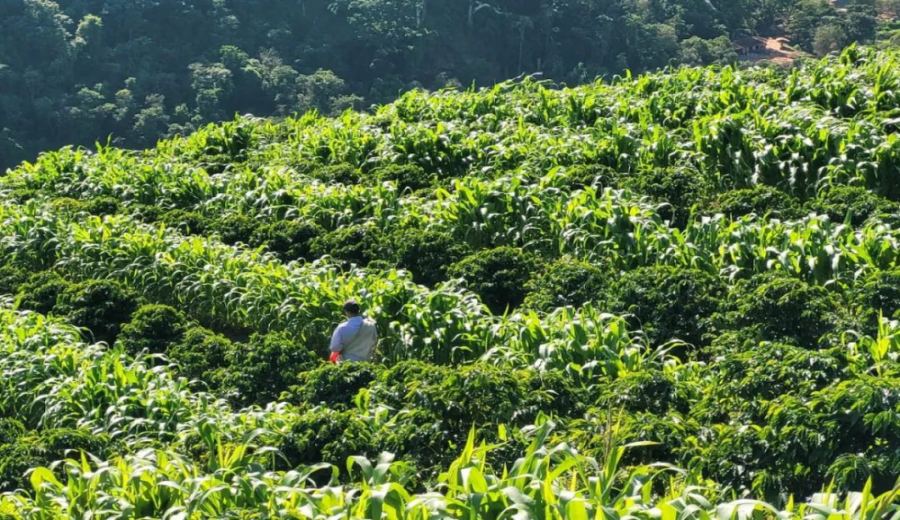
Introduction:Delve into the high-altitude specialty coffee from the Mogiana region of São Paulo, Brazil — the Yellow Bourbon from Fazenda Rainha. This honey-processed coffee bean not only boasts a distinctive yellow fruit appearance but is also renowned for its layered flavors of sugarcane, black tea, and nuts. This article will guide you through the characteristics of the producing region, the advantages of the variety, the processing method, and offer practical pour over recommendations to help you fully appreciate the refined expression of this highly rated coffee.
Brazil has long been the global leader in coffee production and sales, accounting for about one-third of the world’s total output. It not only boasts astonishing production volumes but also nurtures numerous high-quality specialty coffees. Among them, the Mogiana region in São Paulo State, with its high altitude and favorable microclimate, has become one of the important sources of Brazilian specialty coffee. Within this region lies Fazenda Rainha (Queen Estate), owned by the Carvalho Dias family. Since the first Brazilian COE (Cup of Excellence) competition in 1999, the estate has achieved remarkable results, winning awards more than 12 times within seven years, showcasing its outstanding cultivation and processing capabilities.
Fazenda Rainha is located in the ancient volcanic valley of Vale da Grama in northern São Paulo State. Benefiting from the mountainous terrain and suitable altitude, the estate cannot employ mechanical harvesting and insists on handpicking only ripe coffee cherries to ensure that each coffee fruit is in optimal condition. In addition, the estate mainly grows the Yellow Bourbon variety — a rare coffee variant known for its delicate flavor and high sweetness. Although its yield per unit is relatively low, it can deliver a richer layer of complexity.
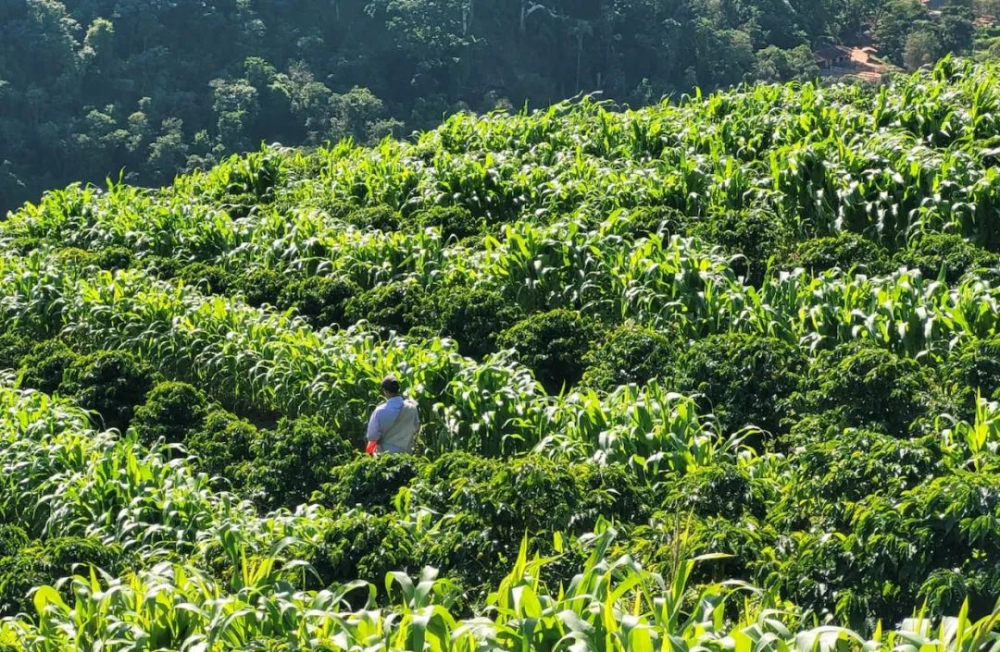
Brazil is vast and diverse, not only the largest country in South America but also bordering ten other countries including Uruguay and Peru. Its varied climate zones — ranging from tropical rainforest to subtropical monsoon climates — along with fertile volcanic sediment soils, red-yellow soils, and brown clay, provide an ideal environment for coffee cultivation. Seventeen states across the country produce coffee, with the four major states (Central Paraná, São Paulo, Minas Gerais, and Espírito Santo) contributing 90% of the total output. In terms of varieties, Bourbon, Catuai, Typica, and Mundo Novo are predominant, with the main harvest season falling between May and September each year.
Among the many selected producing regions, Mogiana stands out for its altitude advantage and exquisite cultivation techniques. Compared to other areas, coffee cultivation here blends modern management with traditional mountain farming methods, giving rise to many specialty beans with unique flavors. Fazenda Rainha is one of the local representatives. In addition to winning numerous COE awards, the family is also a founding member of the Brazilian Specialty Coffee Association, committed to environmental sustainability and quality excellence, including the conservation of primary forests, afforestation programs, and the establishment of eco-friendly processing facilities.
As a branch of the Bourbon family, Yellow Bourbon, compared to the more common Typica, features denser leaf nodes, rounder fruits, and often turns yellow or orange when ripe. This variety typically has smaller beans and a slightly longer maturation period, but in high-altitude environments, it can accumulate richer sugars, exhibiting brighter acidity and higher sweetness. Particularly in Brazil, the Yellow Bourbon variety does not turn red upon ripening but instead becomes orange-yellow, hence its name. Although this variety is not easy to cultivate and yields are relatively low, when grown at appropriate altitudes, it can produce distinctly sweet aromas and rich, full-bodied flavors.
This Yellow Bourbon from Fazenda Rainha is grown in the high-altitude area of Mogiana at elevations between 1400 and 1950 meters. Through the honey processing method, the coffee gradually develops intense sweetness and complex layers as it undergoes partial sun exposure and shaded fermentation. Its flavor profile is clear, often delivering a sugarcane-like sweetness, a soft black tea note, and accompanied by the aftertaste of nuts and dark chocolate. The overall mouthfeel is delicate and smooth, with a clean finish and a long-lasting aftertaste.
If you’d like to try pour over brewing this coffee at home, it is recommended to use a KONO filter cone, with a coffee-to-water ratio of 1:15 and water temperature controlled at around 90°C. These parameters can fully highlight the sweetness and body of the Yellow Bourbon, making the sugarcane, black tea, and nut flavors more balanced. Pay attention to maintaining a steady water flow and use a pulsed pouring technique during brewing to ensure even extraction and avoid over-extraction or unwanted astringency. This coffee is suitable for coffee lovers who enjoy fruity sweetness and low acidity, and it’s also an excellent choice for those new to specialty coffee.
The above content is compiled by CoffeeHunters, a coffee news website.


