







Introduction:The flavor performance of pour over coffee is closely related to grind size, but descriptions like "the size of coarse sugar" often lead to practical deviations due to differences in individual interpretation. This article introduces a quantitative testing method using a No. 20 sieve to help you accurately assess the uniformity of coffee particle size, explains the scientific basis behind an 80% pass rate, and provides alternative judgment methods when your grinder lacks precision. From sieve selection to observing the coffee bed, it helps you stabilize extraction parameters.
Pour over enthusiasts often face a common challenge: even when using the same grind size description—such as "the size of coarse sugar"—different people may still produce noticeably different results in practice. This communication gap often directly affects the final flavor outcome. To address this issue, the industry has developed a quantitative calibration method based on a No. 20 sieve, using scientific data to assist in adjusting grind coarseness and effectively reducing parameter differences among different users.
Because individuals naturally perceive particle size visually differently, analogies like "similar to coarse sugar" can range widely in interpretation—from fine sugar to crushed nuts—making it highly unreliable to convey grind size through language alone. When communication errors occur, even with identical coffee beans, the resulting acidity-sweetness balance, body, and clarity can vary greatly. In such cases, using objective measuring tools becomes key to maintaining quality consistency.
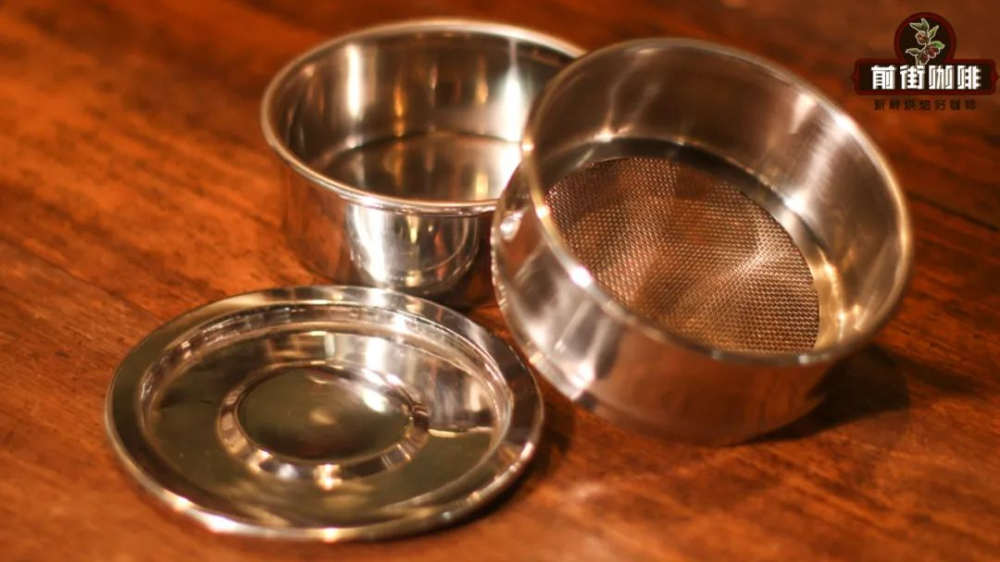
The standardized application of a No. 20 sieve offers a solution. This tool physically grades coffee particles by diameter—its standard aperture is 0.85 mm, which corresponds precisely to the professionally recognized ideal extraction range. It’s worth noting that real-world coffee powder is never absolutely uniform. The professional recommendation is to aim for about 80% of the particles to pass through this sieve, while allowing a small amount of extremely coarse or fine particles to naturally remain. This distribution not only ensures even water flow penetration but also maintains a rich layering of flavors.
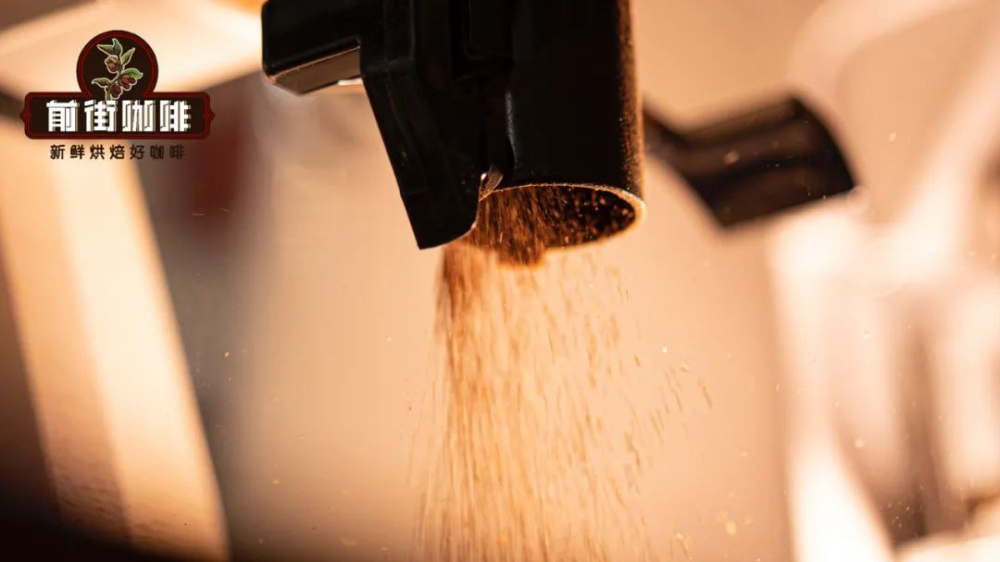
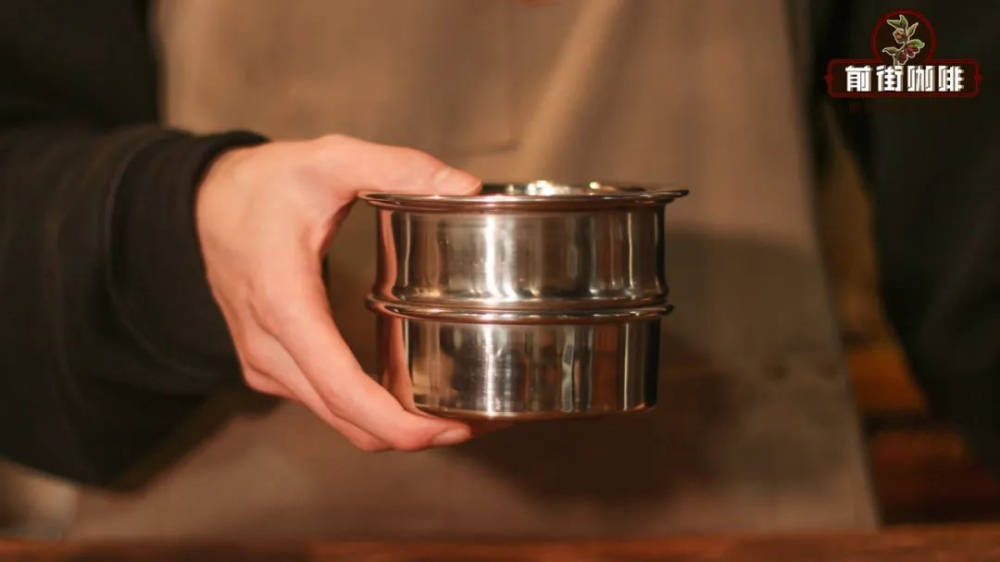
Before conducting the sieve test, prepare the basic tools: it’s recommended to use an integrated-design No. 20 sieve (0.85 mm aperture) to avoid the higher error rate caused by separable structures. The operation involves three key steps: first, accurately weigh out 10 grams of coffee beans and grind them at your target grind setting; next, place the ground sample on the sieve and perform horizontal back-and-forth shaking for about five minutes until no more noticeable particles fall through (during this process, ensure even wrist pressure); finally, weigh the amount of coffee that passed through the sieve and calculate the percentage by dividing the passed weight by the total weight.
Based on extensive empirical data,an 80% pass rate has been verified as the optimal balance point—with this setting, about 8 grams of coffee particles can effectively pass through the 0.85 mm sieve, while the remaining 2 grams include a suitable proportion of coarser particles to ensure even water distribution during the brewing stage, along with necessary fine particles to maintain sufficient extraction. When test results deviate from this value, you can make fine adjustments to the grinder’s settings to gradually approach the target, typically noticing clear changes with each 1/8 turn of the adjustment ring.
While this method has broad applicability, its effectiveness relies on the grinder having a basic level of precision. If using a low-cost machine or one that is poorly maintained, issues such as abnormally high levels of fine powder (over 30%), or the coexistence of coarse and ultra-fine particles, can occur. For such cases, it is recommended to switch to a dynamic observation method: under standard brew ratios (e.g., 1:15) and with 15 grams of coffee, the normal extraction time range for a three-stage pour should be maintained between 1 minute 50 seconds and 2 minutes 10 seconds.
In addition to timing data, the visual state of the coffee bed is also an important reference. Ideally, as the water temperature drops, the coffee bed should show a gradual and even collapse, with a stable rate of water level descent. If you notice the coffee bed quickly cracking apart after pouring and water passing straight through (too fast drainage), it usually means the grind is too coarse and should be adjusted finer. Conversely, if the coffee bed clumps and stagnates, drainage is delayed, or even a slurry-like surface forms (too slow drainage), it indicates the particles are too fine and should be adjusted coarser. By combining these two observational dimensions for a comprehensive judgment, you can maintain stable extraction quality even without a sieve.
The above content is compiled by CoffeeHunters, a coffee news website.


