







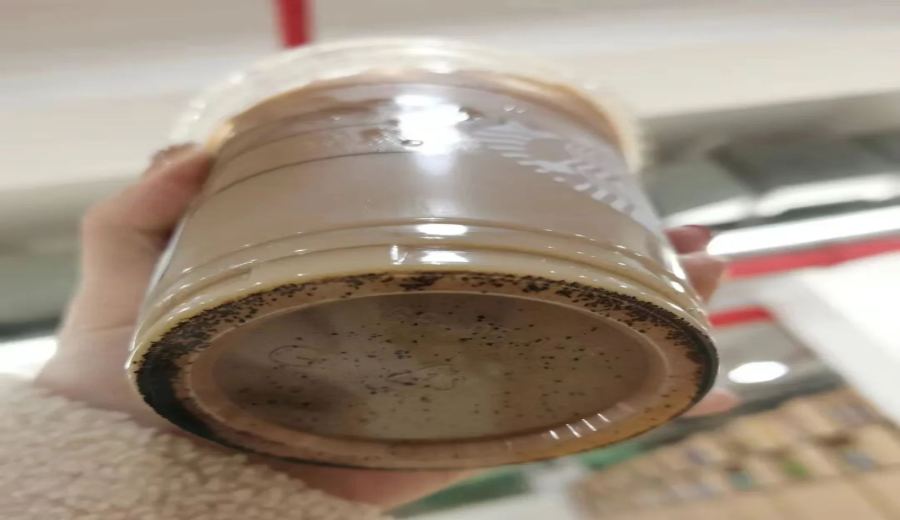
Introduction:Starbucks' new Salted Flat White has sparked discussion due to the black powder at the bottom of the cup, with many customers mistakenly believing it to be coffee grounds. In reality, these particles are decorative freshly ground coffee powder, part of the standard preparation. This article explains the correct way to make this beverage, common customer misconceptions, and offers practical tips to enhance the taste.
This year, Starbucks has accelerated its new product launch rhythm. Before the cherry blossom limited edition has even cooled off, the Salted Flat White has become a flagship new offering in stores. However, this drink has generated considerable controversy due to the black powder residue left at the bottom of the cup, with many customers questioning whether it is coffee grounds mistakenly mixed in by staff.
In response to customer complaints, Starbucks baristas have collectively clarified that the presence of black powder at the bottom of the cup is actually correct procedure—its absence might actually indicate a deviation from the standard process. This has led many to wonder: why is decorative freshly ground coffee powder so often mistaken for extraction residue? And what are customers saying about the taste?
Recently, many customers who purchased the Salted Flat White have noticed obvious black powder residue left at the bottom of the cup after drinking. This has led some to suspect a mistake during preparation, with coffee grounds being accidentally poured into the cup. Similar feedback is frequently seen on social media, with some netizens sharing photos showing black powder attached to the bottom or lid of their drinks.
However, some consumers have also reported that their drinks did not exhibit this issue. As a result, some have speculated that those cups with powder residue may have been the result of improper handling by staff, who accidentally mixed used coffee grounds into the cup. But that is not the case.
Starbucks baristas explain that the appearance of black powder at the bottom of the cup is not a mistake but part of the standard process. According to official ingredient information and staff statements, after the Salted Flat White is prepared, freshly ground coffee powder is sprinkled on about half the surface of the liquid as decoration. These black particles, mistaken for coffee grounds, are actually decorative freshly ground coffee powder.
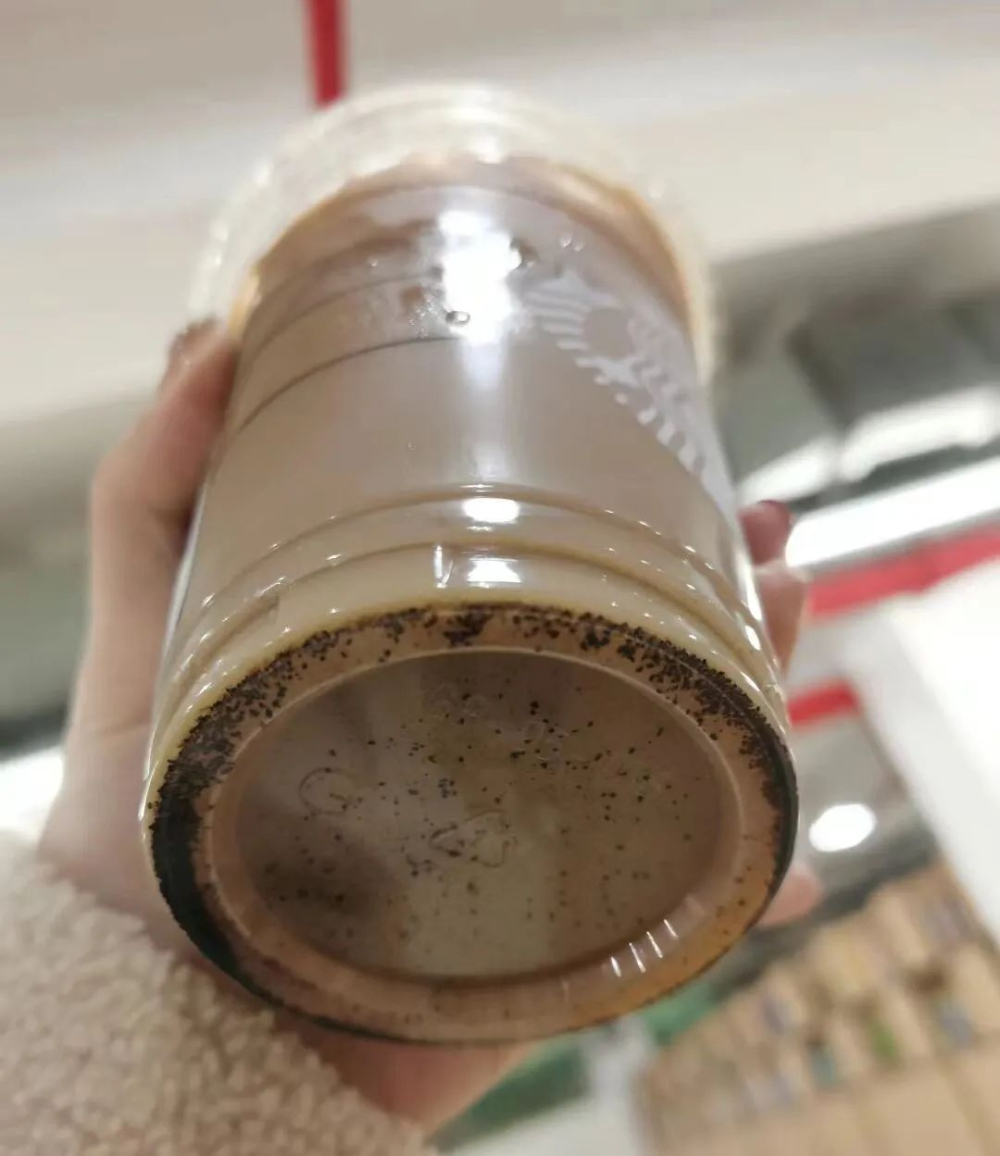
Some baristas revealed that, out of concern that customers might mistake the coffee powder for residue and file complaints, some partners choose to skip the step of sprinkling the powder. This has led some consumers to believe that a properly made Salted Flat White should not contain any black powder, when in fact, the version with coffee powder is the one that meets the standard.
Baristas also emphasize that the coffee powder used for decoration consists of freshly ground beans from the day, not extracted residue, so customers can drink with peace of mind. However, some netizens have expressed dissatisfaction with the taste after the addition of coffee powder, with comments such as “the grit is huge and sticks in my throat, it’s awful,” and others mentioning a “noticeable foreign body sensation.”
Some baristas have even said that this step is not only unnecessary but also prone to causing misunderstandings, leading customers to request remakes. Some stores have already experienced cases where customers mistook the decorative coffee powder for foreign objects and asked for the drink to be remade.
In response to this feedback, some netizens have suggested replacing the insoluble coffee powder with similarly colored chocolate powder or cocoa powder. This could avoid misunderstandings, maintain the taste, and reduce the operational pressure on baristas.
For coffee enthusiasts who value consistent quality, whether drinking in-store or brewing at home, the grind size of the coffee powder and how it is used will directly affect the taste. Choosing freshly roasted, properly ground coffee beans is always key.
The above content is compiled by CoffeeHunters, a coffee news website.


