







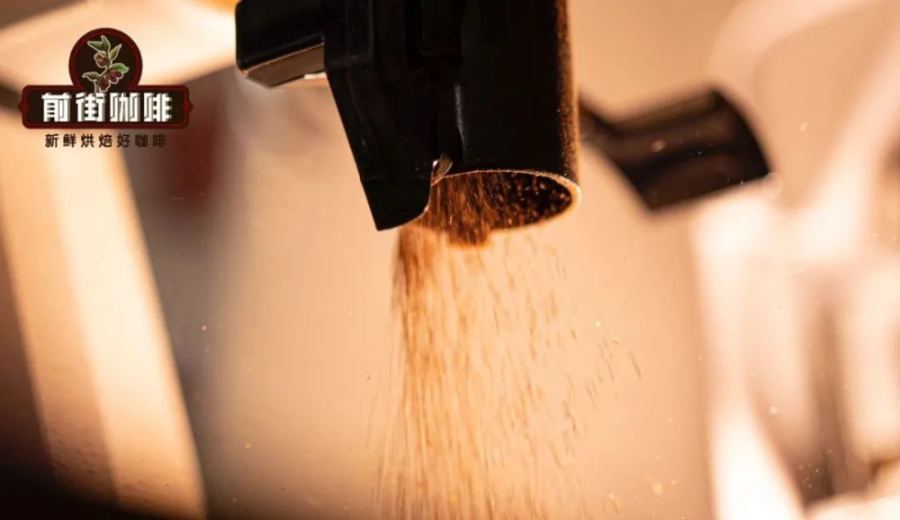
Introduction:The static electricity generated when grinding coffee beans not only causes fine particles to scatter chaotically but also easily forms clumps, which can negatively impact extraction performance. As early as 2005, someone proposed using a water spray method to improve the situation — a technique now known as RDT. This article delves into the underlying principles, tested effectiveness, and potential risks of this method, along with practical operational advice to help you more reliably master this technique whether brewing at home or in a professional setting.
During the pour over coffee-making process, many coffee enthusiasts have encountered this common issue: ground coffee particles scattering everywhere, even sticking to the interior of the grinder, and tending to form irregular little clumps. Not only does this make cleaning more difficult, but it can also interfere with the even penetration of water flow during extraction, resulting in unstable flavor profiles. To address this frequent problem, as early as 2005, an online user introduced a simple yet effective method — lightly spraying a small amount of water on the surface of the coffee beans before grinding. This technique later came to be known as RDT (Ross Droplet Technique), or the "Ross Droplet Method."
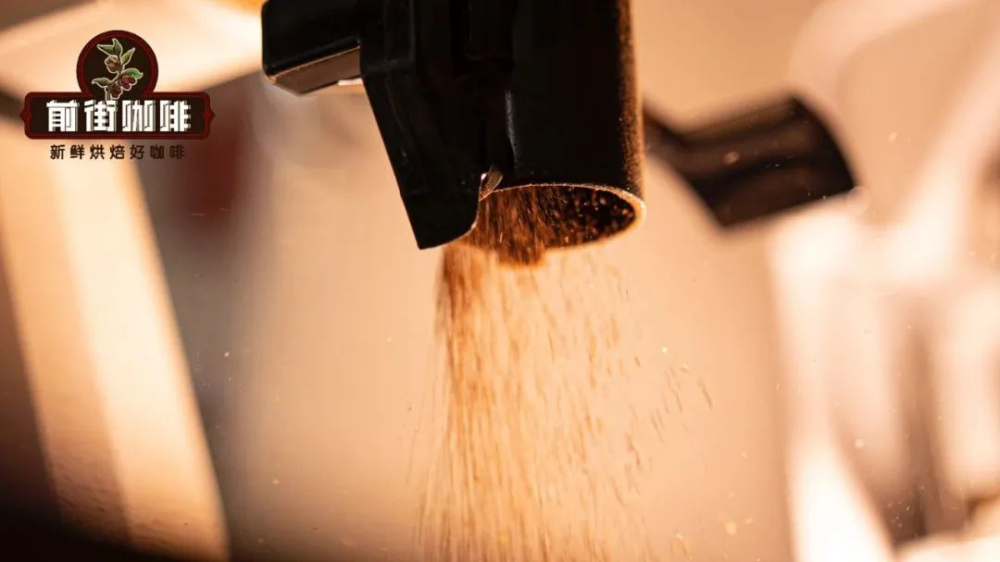
But does this method really work? Is there any scientific basis behind it? More importantly, could such a practice negatively affect the quality of the coffee grounds or even the grinder itself? To answer these questions, we first need to understand how static electricity is formed and how it interferes with the flow of coffee particles and extraction efficiency.

When coffee beans are crushed between rapidly spinning burrs, friction between the beans and the metal blades generates static electricity. This static electricity attracts tiny coffee particles, causing them to accumulate on the inner walls of the grinder’s chute or to form clumps that don’t disperse easily. Once too many of these clumps form, they reduce the contact area between the coffee grounds and hot water, thereby compromising overall extraction uniformity. In some cases, it may even lead to what’s known as "channeling" — where water flows preferentially through paths of least resistance, bypassing parts of the coffee bed and resulting in incomplete extraction.
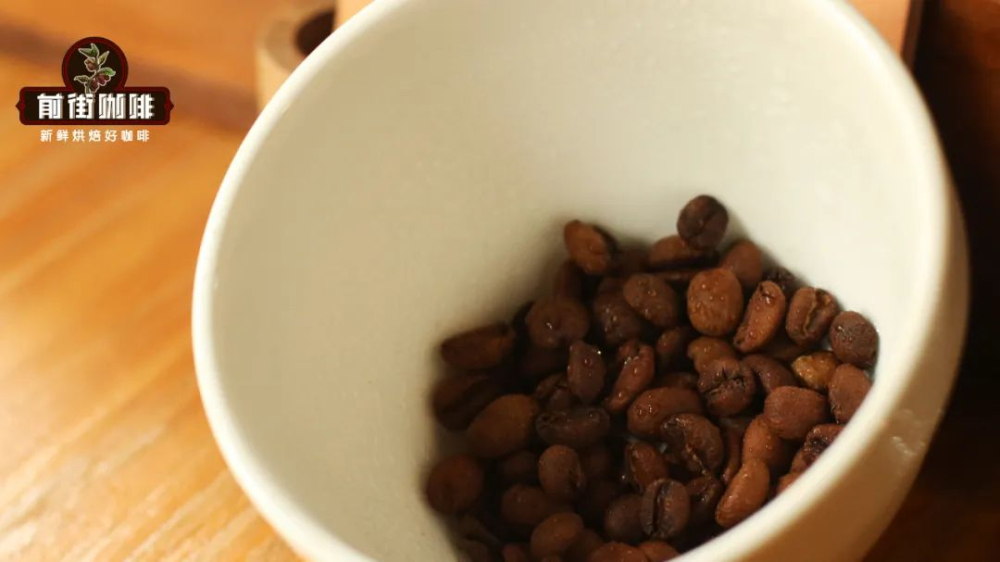
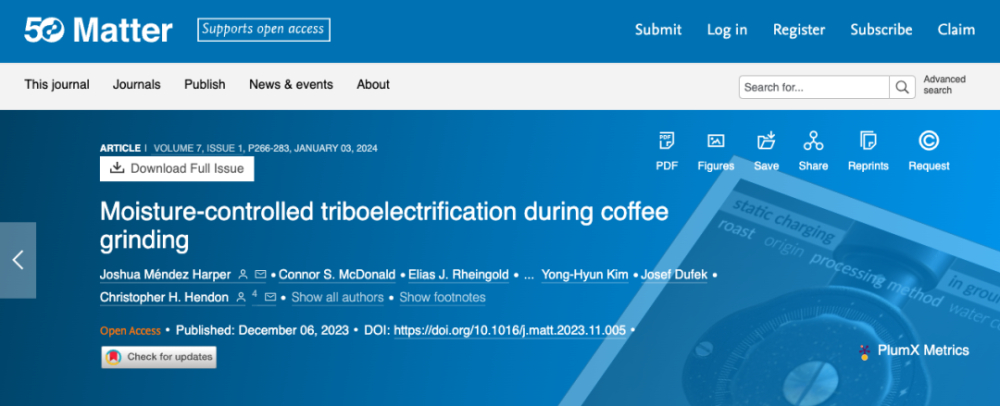
Addressing this issue, researchers from the University of Oregon pointed out in a paper published last year in the journal Matter that spraying an appropriate amount of water on the surface of coffee beans beforehand does indeed help neutralize static electricity, reduce the adsorption of fines and clump formation, and thereby enhance extraction efficiency and consistency. The study, which synthesized multiple sets of experimental data, confirmed the practical feasibility of the RDT technique.
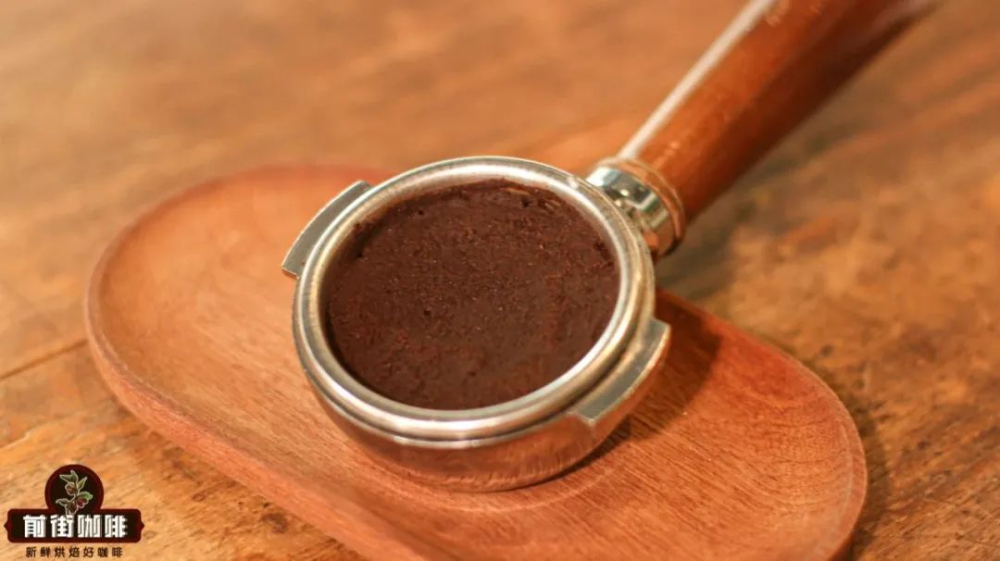
Although the RDT technique has gained considerable popularity among home coffee brewers and has even become part of the daily brewing routine for many, it is less commonly seen in the barista operations of professional coffee shops. This is largely due to some practical considerations. Excessive moisture or improper control may cause the coffee grounds to absorb humidity and form clumps, not only affecting the smoothness of the grind but also exposing the burr set to prolonged dampness, increasing the risk of rust. Additionally, inconsistencies in the amount of water sprayed may lead to variations in each brew’s performance — an important factor that professional baristas, who prioritize consistency, must carefully weigh.
In summary, as a low-cost and easy-to-implement method for suppressing static electricity, the RDT technique is worth trying in a home brewing environment. However, during actual use, it is recommended to employ a misting spray bottle to lightly apply water, ensuring the coffee beans’ surface is just slightly damp — never spray directly inside the grinder or onto the burrs to avoid equipment damage or rusting. Mastering this balance will help you achieve more consistent and higher-quality extractions in every pour over brew.
The above content is compiled by CoffeeHunters, a coffee news website.


