







Introduction:Want to explore the charm of Tanzanian coffee in depth? This article will take you on a journey to Kilimanjaro, one of Africa’s renowned coffee-growing regions. From its exceptional geographical environment to the characteristics of the classic Typica variety, and the delicate flavors brought by the washed processing method — all will be covered. With practical parameters and brewing suggestions, this guide will help you master this premium pour over bean and further experience the unique essence of African coffee.
Tanzania is one of Africa’s major coffee-producing countries, alongside Ethiopia and Kenya, collectively known as the “Big Three” of African coffee. Its coffee is celebrated for its high quality and distinctive flavor, winning widespread acclaim in European markets and even earning the title of “coffee gentleman.” This article will delve into how Tanzania’s geography and climate foster high-quality coffee, focusing on the most representative Kilimanjaro region. We’ll analyze the locally grown Typica variety in detail and offer insights into the actual flavor profile and pour over brewing recommendations of a classic washed Kilimanjaro coffee.
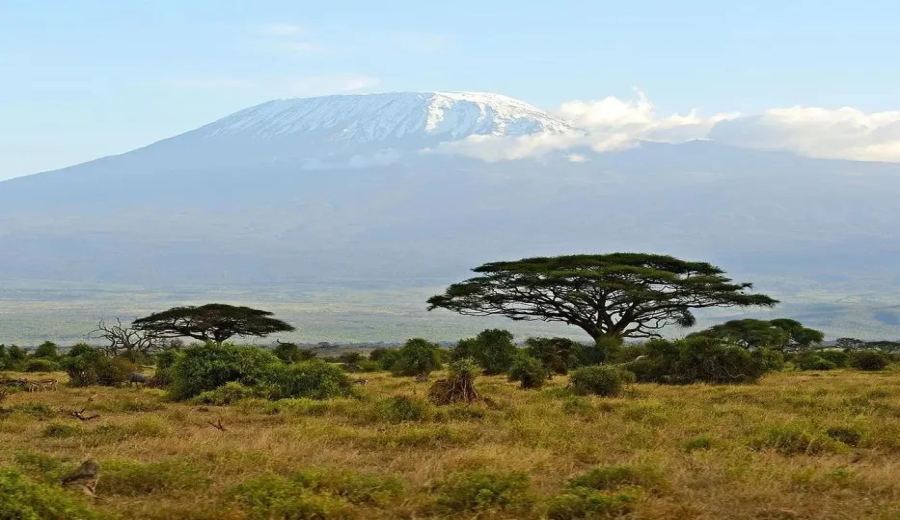
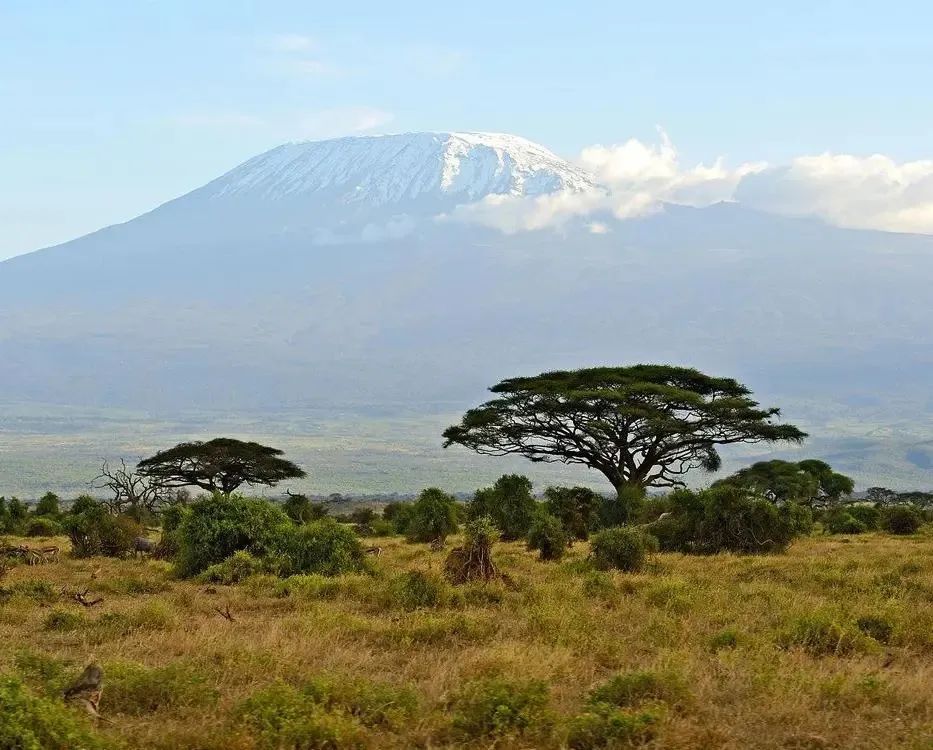
Located in East Africa, south of the equator, Tanzania shares borders with Kenya, Uganda, Burundi, Rwanda, and others, and faces the Indian Ocean to the east. The country’s terrain features distinct stepped distributions — the northwest is dominated by plateaus and high mountains, while the southeast consists mainly of lowlands and coastal plains. The East African Rift Valley runs through the country, and in the north stands Mount Kilimanjaro, which rises 5,895 meters above sea level, making it the highest peak in Africa and an iconic landmark of the nation. The climate is primarily divided into tropical savanna and tropical highland types, with average annual temperatures ranging between 21–26°C. Although annual rainfall is generally modest, the region benefits from numerous rivers and lakes that ensure stable water sources — ideal conditions for coffee cultivation. Coffee is mainly grown around Mount Kilimanjaro and the southern highlands, with the high-altitude volcanic soil areas producing the finest beans.
Among the many regions, the Kilimanjaro area is undoubtedly the most prominent. Home to Africa’s highest peak, its coffee farms are primarily located at elevations between 1,050 and 2,500 meters. The combination of high altitude, volcanic soil, and clear water from melting snow at the mountain’s summit provides an optimal environment for coffee trees. The coffee harvest season in Kilimanjaro spans from July to December each year. Major planted varieties include Bourbon, Typica, and Kent, with Typica being a historic and highly esteemed classic cultivar.
Typica (Typica) is one of the most historically significant Arabica coffee varieties. Originating in Ethiopia, it later spread to Central and South America as well as Asia. This variety typically grows tall but yields relatively low, and is more susceptible to diseases. However, its slow growth results in more concentrated and refined flavors, especially in high-altitude regions where it can achieve outstanding quality potential. Although gradually replaced by higher-yield varieties in many parts of the world due to commercial demands, it continues to be cultivated in places like Peru, Tanzania, and Jamaica. Notably, in Jamaica’s Blue Mountains, the Typica variety forms the foundation of the legendary Blue Mountain coffee flavor.
This time, we’re introducing a washed Typica coffee from the Kilimanjaro region, representing a classic African flavor profile. This bean is grown at elevations between1,300 and 2,000 meters, within the mid-to-high altitude range, which helps develop bright acidity and rich aromatic layers. The washed processing method effectively removes pulp residues, highlighting the coffee’s cleanliness and clarity of flavor.
In terms of flavor, this coffee often exhibits brightcitrus notes, a softhoney-like sweetness, accompanied by subtleberryfruitiness, and a finish that carriesnuttyundertones along with a lighttea-like sensation. The overall flavor profile is clear, with a soft mouthfeel and well-defined layers. It’s ideal for pour over enthusiasts who enjoy refreshing acidity and intricate aromas, and it’s also a quintessential example of premium African coffee.
If you’d like to try brewing this washed Kilimanjaro Typica at home, here are some recommended parameters: use a V60 filter, with a suggested1:15brew ratio, and water temperature controlled at around92°C. Use medium-fine grind for extraction. During brewing, maintain a steady water flow — pulsed pouring helps achieve even extraction and balanced flavor layers. This coffee has gentle acidity and a tea-like mouthfeel, making it perfect for those who prefer subtle and well-balanced flavors.
The above content is compiled by CoffeeHunters, a coffee news website.


