







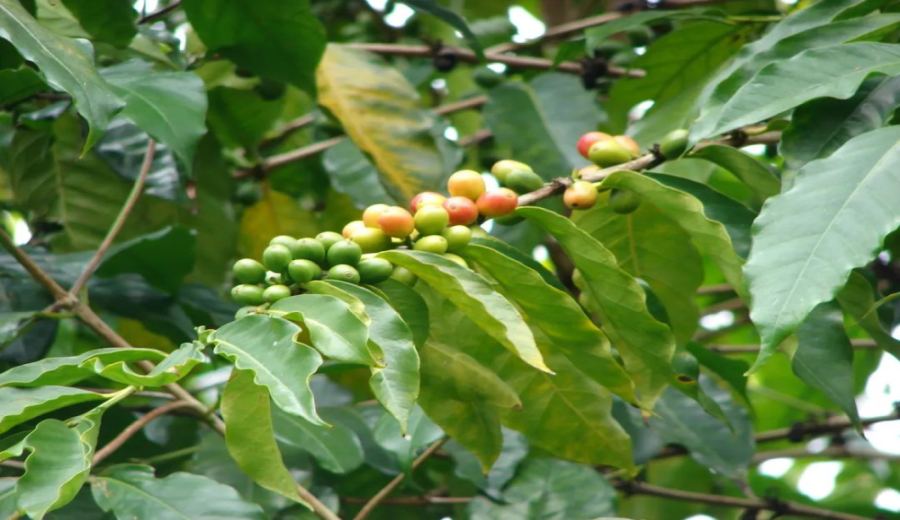
Introduction:A deep dive into the 74158 variety coffee beans from Ethiopia’s Sidamo region, processed by the Santa Vini washing station using an anaerobic natural method. From terroir and processing techniques to brewing parameters, we fully analyze this specialty coffee that boasts tropical fruit aromas and a rich winey body, along with practical pour over recommendations to help you fully appreciate its layered flavors.
Ethiopia is hailed as the birthplace of coffee and home to the world’s most diverse coffee gene pool, with over ten thousand wild and cultivated varieties thriving here. Its southwestern Kaffa region is even the etymological origin of the word “coffee.” Even today, Ethiopia remains Africa’s largest Arabica coffee producer and holds a pivotal position in the specialty coffee market thanks to its diverse micro-regions and unique processing methods.
The Sidamo region (now officially named Sidama) is situated around the plateau of Lake Awasa on the southern edge of the East African Rift Valley and is one of the most well-known coffee origins familiar to global coffee enthusiasts. With elevations generally ranging between 1,400 and 2,200 meters, annual rainfall between 1,200 and 2,000 millimeters, and fertile volcanic soils, it creates a natural environment highly suitable for coffee cultivation. The resulting coffees often exhibit pronounced floral notes, citrus tones, and rich layers of fruit acidity.
Among the many washing stations in Sidamo, the Santa Vini washing station under the DWD company is renowned for its high elevation and refined processing techniques. Located about a 40-minute drive from the town of Santa Vini, this station benefits from a relatively dry climate and slightly cooler temperatures, which impose stricter requirements on the fermentation and drying timelines of the coffee cherries—resulting in beans with more layered and cohesive flavors.
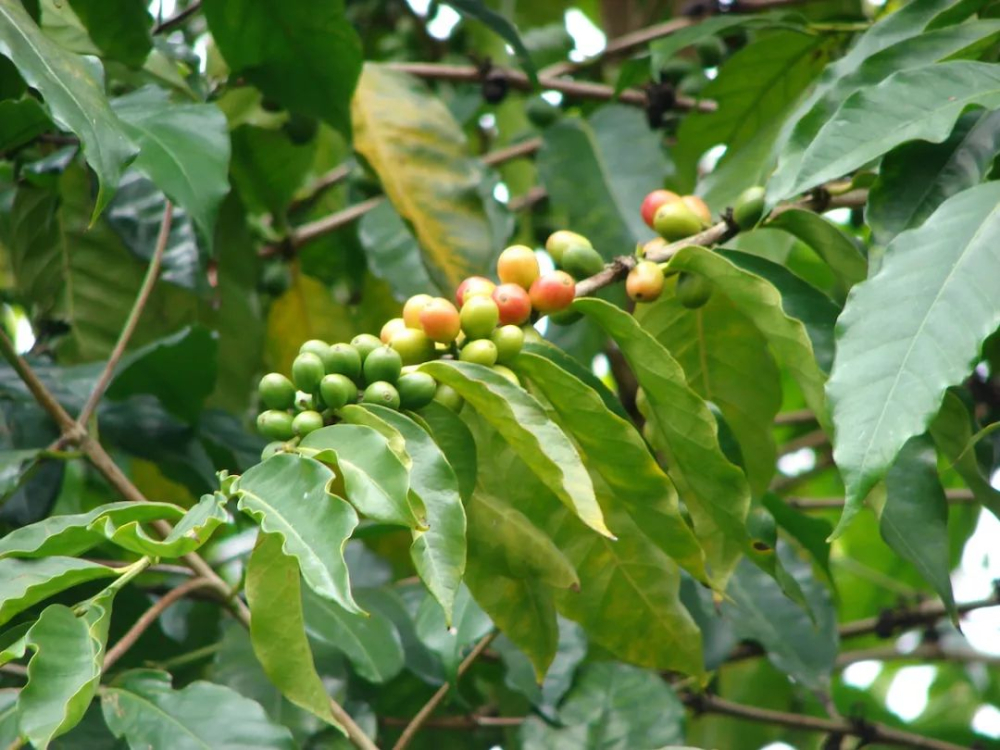
The 74158 variety recently released by this washing station is one of the breeding achievements of the Jimma Agricultural Research Center (JARC), an Ethiopian agricultural research institution, in the mid-1970s. At that time, the research team conducted experiments on over 600 coffee varieties across 15 regions nationwide, selecting 13 strains that combined disease resistance, high yield, and good flavor. These were named with the prefix “74/75” followed by a number, and 74158 is one of them. The “74” or “75” indicates the year of discovery or selection, while the last three digits represent the variety sequence number. Such numbered varieties typically exhibit strong environmental adaptability and have gradually become new favorites in the specialty coffee market.
This Santa Vini 74158 coffee bean is processed usinga 96-hour anaerobic natural method, which is a more advanced processing technique. After removing the coffee fruit’s skin, the mucilage-covered seeds are placed in a sealed container for anaerobic fermentation, followed by prolonged sun drying. The entire process takes several days and is able to fully bring out tropical fruit aromas and a rich winey body, while preserving a smooth acidity and a solid body.
In terms of actual roasting, this bean is typically roasted to a light-to-medium level to highlight its inherent flavors. For brewing recommendations, using a V60 filter cone witha 1:15 coffee-to-water ratioanda water temperature of 92°Ccan effectively balance its sweetness, acidity, and body. During the brewing process, you’ll first notice a pronounced fermented wine aroma; upon tasting, there are distinct notes of tropical fruits such as pineapple and citrus, with the finish carrying a lingering wine-like richness. The overall profile is layered and complex, making it highly suitable for coffee lovers who enjoy a combination of fruity and winey notes.
For those new to pour over brewing, it’s recommended to fine-tune the coffee-to-water ratio or water temperature according to personal taste. For example, those who prefer a brighter acidity may slightly increase the water temperature to 93°C, while those who favor a fuller body may lower it to 90°C and extend the blooming time. Additionally, the grind size is recommended to be medium-fine to fine (around the size of granulated sugar) to ensure even extraction and avoid over-extraction or excessive sourness.
In summary, the 74158 coffee beans from the Santa Vini washing station combine the exceptional natural conditions of the Sidamo region, the stable performance of the numbered variety, and high-level anaerobic natural processing techniques to deliver highly distinctive tropical fruit and winey flavors. Whether as a daily drink or for exploring the flavor profile of Ethiopian coffee in depth, these beans are a premium choice worthy of careful savoring.
The above content is compiled by CoffeeHunters, a coffee news website.


