







Introduction:Blooming is a critical step in pour over brewing, yet many coffee enthusiasts remain uncertain about when to start timing the bloom (from the moment water touches the grounds or after pouring finishes) and the difference between a 30-second and 60-second bloom. This article delves into the core purpose of blooming—releasing carbon dioxide to optimize extraction efficiency—and compares the impact of different timing settings on coffee flavor through experimental data. It helps you adjust bloom time flexibly based on the freshness of your coffee beans to brew a pour over with more vibrant aroma and balanced taste.
In the pour over process, though blooming may seem simple, it often raises many questions. Many people habitually use a 30-second bloom, but should the timing start from the moment water is poured or after pouring is completed? What effects would extending the time to 60 seconds or shortening it to 20 seconds have on the final cup’s flavor? Through multiple sets of comparative experiments, we observed how coffee beans of varying freshness perform under no bloom, 30-second, 45-second, and 60-second blooms. Next, focusing on the core goal of blooming—effectively releasing CO₂ and improving subsequent extraction—we’ll explain why 30 seconds is often considered a safer choice, and share how to adjust bloom time based on the actual condition of your beans to ensure every pour over showcases ideal flavor and mouthfeel.
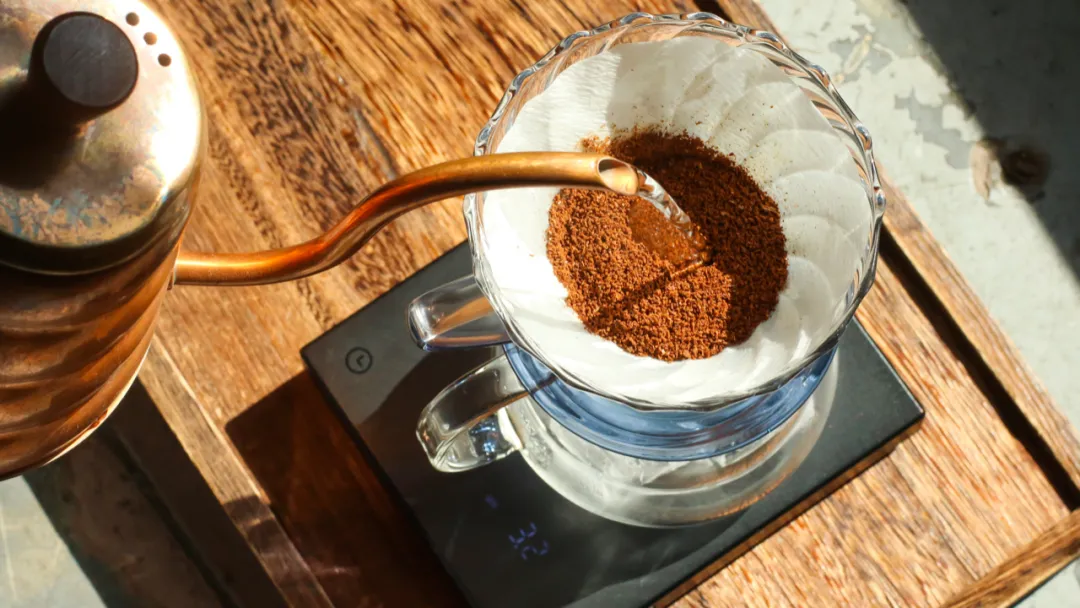
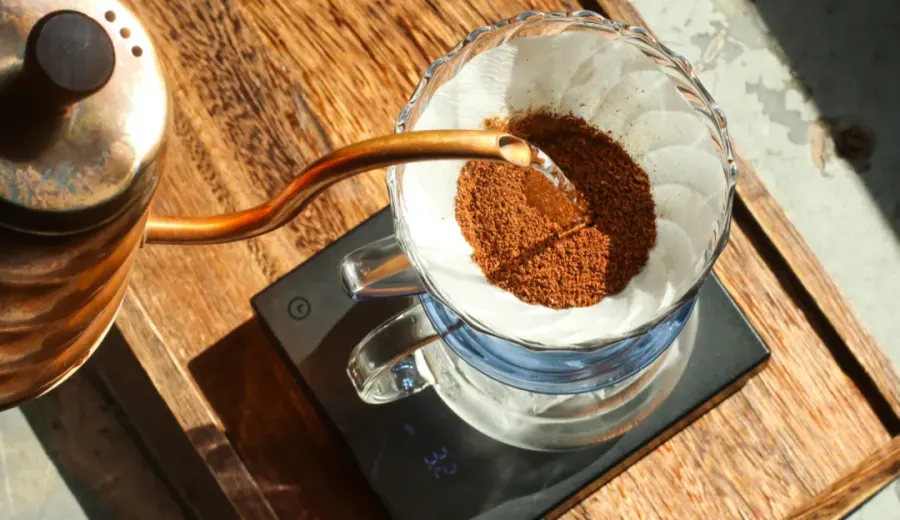
The core mission of blooming is actually quite clear: to release the carbon dioxide trapped inside the coffee grounds that might hinder extraction, thereby allowing subsequent hot water to more smoothly extract various soluble flavor compounds. Simply put, when blooming is done properly, you’re more likely to end up with a pour over that’s aromatic and well-balanced in flavor.
However, there’s plenty of confusion around setting the right bloom time: why is 30 seconds the most commonly recommended duration in most guides? Would 20 seconds, 40 seconds, or even 50 seconds fail to deliver the desired results? Why is the number 30 so frequently cited?
Strictly speaking, there’s no absolutely fixed duration for blooming—30 seconds isn’t the only option. The reason “30 seconds” is often used as a reference in discussions is that it tends to be a safer bet under typical brewing parameters. This is because, under normal circumstances, a 30-second bloom is enough to release most of the CO₂ that could interfere with extraction without wasting too much time, making it a widely accepted, prudent choice.

Previously, we conducted a series of controlled experiments centered on blooming. During these tests, while keeping other brewing variables largely consistent, we adjusted only the bloom duration, trying out no bloom, 30-second, 45-second, and 60-second blooms, and closely observed whether these variations led to significant differences in final coffee flavor.
Additionally, the experiments specifically used coffee beans roasted 3 days, 15 days, and 30 days prior, conducting multiple sets of comparative tests. The results showed that aside from coffee with no bloom, which clearly exhibited under-extraction, all other bloom durations achieved sufficient extraction.
Although extending the bloom time can marginally improve extraction rates, the actual difference is not significant. Taking the 30-second and 60-second blooms—which have the largest time gap—as an example, the difference is usually only noticeable to experienced baristas or seasoned enthusiasts, while beginners in pour over brewing would hardly tell the difference, as the extraction rate gap is only around 0.2%.
We then compared coffee brewed with 20-second and 30-second blooms more closely, and the differences here were more pronounced. Overall, coffee with a 20-second bloom slightly underperformed in taste and mouthfeel compared to the 30-second version, especially when using fresher beans, where the gap became more obvious.
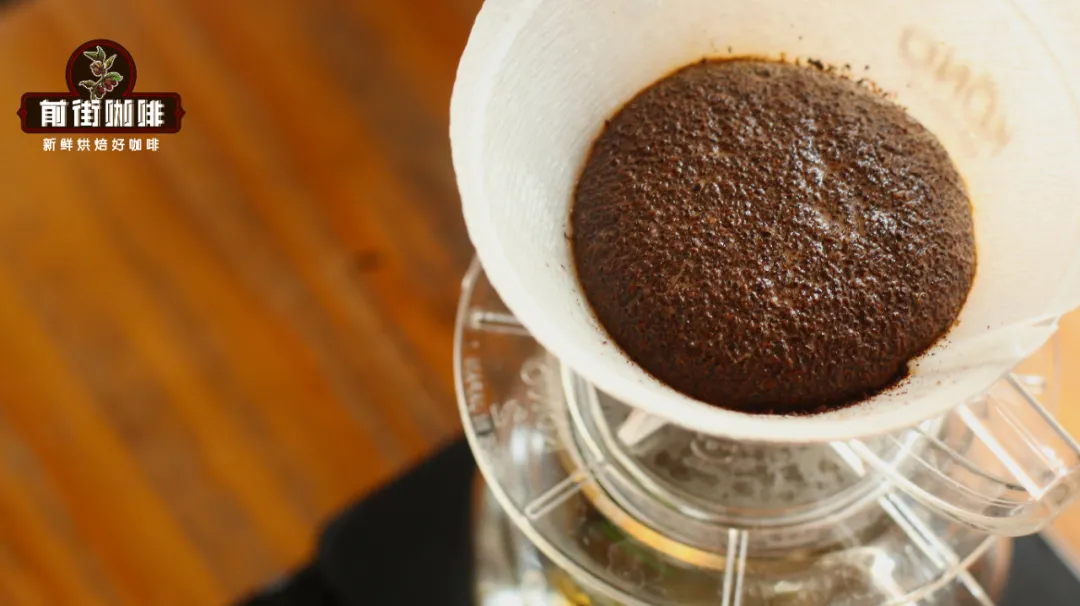
The reason behind this phenomenon is not complicated: it mainly comes down to insufficient degassing of the coffee grounds. It takes time for hot water to fully saturate the grounds, and when the beans are very fresh and high in internal CO₂, this gas can easily impede water from penetrating downward.
Therefore, if you only bloom for 20 seconds, especially with freshly roasted coffee, it may lead to under-extraction during the subsequent brew—because just as the grounds finish getting wet and begin effective degassing, you’ve already moved on to the main extraction phase. In contrast, a 30-second bloom is generally a safer bet.
Of course, as we’ve consistently emphasized, 30 seconds is merely a relatively safe reference figure. In actual practice, you should still adjust the bloom time flexibly based on the specific situation, particularly the actual state of the coffee grounds.
For example, if your coffee beans are extremely fresh with very high internal CO₂ levels, you might consider extending the bloom time slightly—in fact, not by much, just about ten extra seconds is usually enough to allow more gases to escape;
Conversely, if the beans have been stored for a longer period—say, more than 30 days post-roast—you might consider shortening the bloom time. After all, the primary purpose of blooming is to release CO₂ that could affect extraction efficiency, and for beans that are 30 days old, there’s hardly any residual CO₂ left inside. Shortening the bloom time not only achieves the same effect but also saves unnecessary time.
The above content is compiled by CoffeeHunters, a coffee news website.


