







Introduction:When pulling an espresso shot, do you often encounter issues such as unstable flow or inconsistent flavor? Adjusting grind size, dose, and yield are the basics, but to create a well-balanced shot, the key lies in observing the extraction process and diagnosing the root of the problem. This article delves into how to identify signs of under-extraction or over-extraction by analyzing flow rate, shot time, and flavor profile, along with offering practical adjustment tips. It also debunks common causes of channeling to help you stabilize your extraction quality.
For those new to the world of espresso, adjusting extraction parameters can be quite a challenge. Many wonder: when should I make adjustments, and where do I even begin? In truth, relying solely on metrics like dose, yield, and time isn’t enough to determine whether an espresso is properly extracted. The real key is to comprehensively observe both the flow behavior and the final flavor to make the right tweaks.
Even professional baristas adjust their extraction parameters daily based on factors like humidity, bean roast level, and freshness. For example, using the same classic blend, yesterday you might have pulled a shot with 20g of coffee, a 1:2 brew ratio, and a 30-second extraction time to achieve balanced flavors with notes of chocolate and caramel. But today, to get a similar result, you may need 19.7g of coffee, a 38ml yield, and extend the extraction to 32 seconds. This shows that parameters are only a reference—the final judgment should always be based on taste.
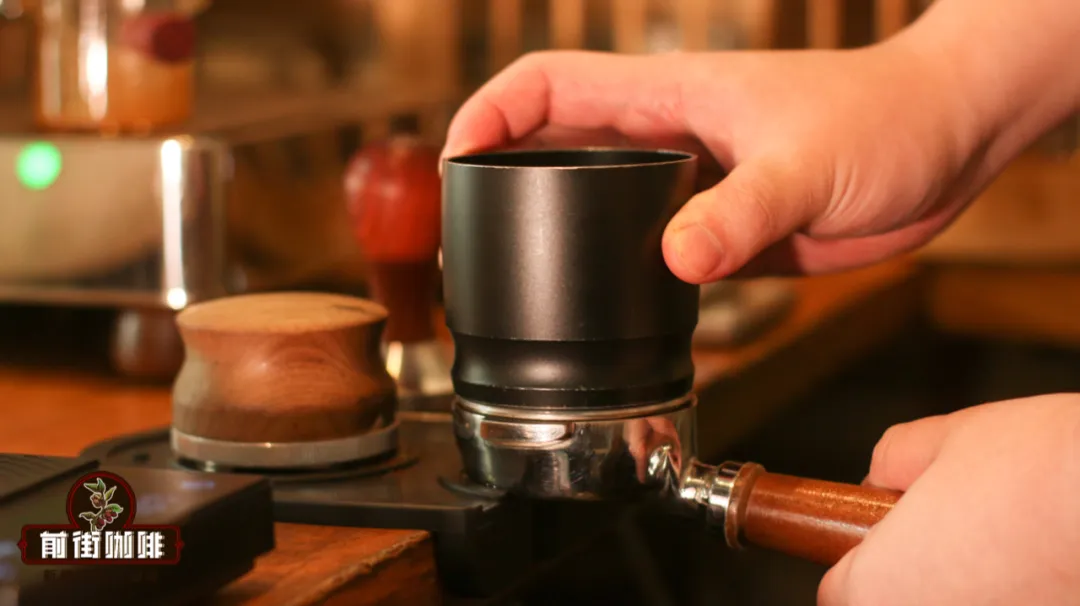
So, what situations indicate that your extraction parameters need adjustment? If you notice that the shot time is noticeably too fast or too slow, or if the flow is unstable, it’s time to pay close attention. Generally speaking, a shot that’s too short may lead to under-extraction, resulting in overly sour and thin flavors. Conversely, a shot that’s too long can cause over-extraction, leading to bitterness and off-flavors. Additionally, if you’re using a bottomless portafilter, observe whether the stream is vertical and stable. If the flow wobbles or even splashes during extraction, aside from possible parameter errors, you should also check the evenness of your distribution and the condition of the coffee puck.

The most reliable way to judge whether an espresso is properly extracted is by tasting it. A well-pulled shot should exhibit a layered flavor profile with a rich body. On the other hand, if the coffee tastes overly sharp and lacks body, it’s usually a sign of under-extraction. In this case, you can try fine-tuning the dose (for example, increasing it by 0.4 to 0.6g), or slightly extending the extraction time to increase the yield—both can effectively improve extraction yield. If the issue is more severe—for example, the shot is extremely fast and the sourness is very pronounced—it’s better to opt for a finer grind to prolong the contact time between water and coffee grounds.
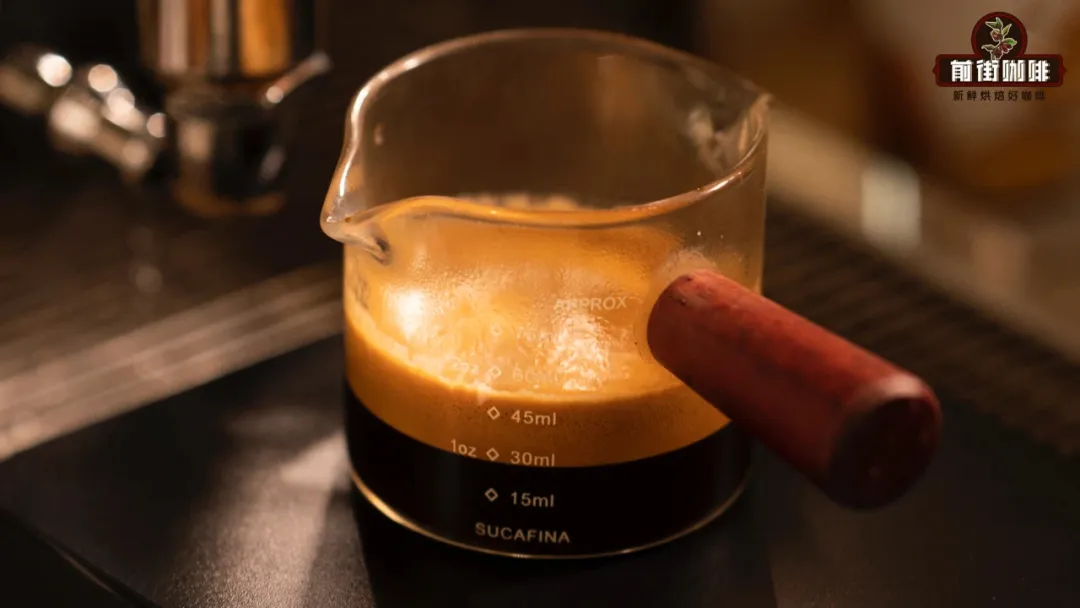
Conversely, if the coffee tastes overly bitter or has unpleasant off-flavors, it’s likely a sign of over-extraction. Minor over-extraction can be improved by reducing the yield. But if the bitterness and off-flavors are already quite noticeable, the recommended adjustment is to coarsen the grind, thereby shortening the contact time between water and coffee to avoid excessive extraction.
Additionally, many people encounter the issue of “channeling” during extraction—that is, the water flows through certain looser areas, causing uneven extraction. This is often related to uneven distribution, inconsistent tamping pressure, or clumps in the coffee puck. To minimize channeling, make sure the coffee is evenly distributed, the surface is level, and use consistent and appropriate tamping pressure. At the same time, regularly check the condition of your grinder burrs to ensure even grinds, which is also key.
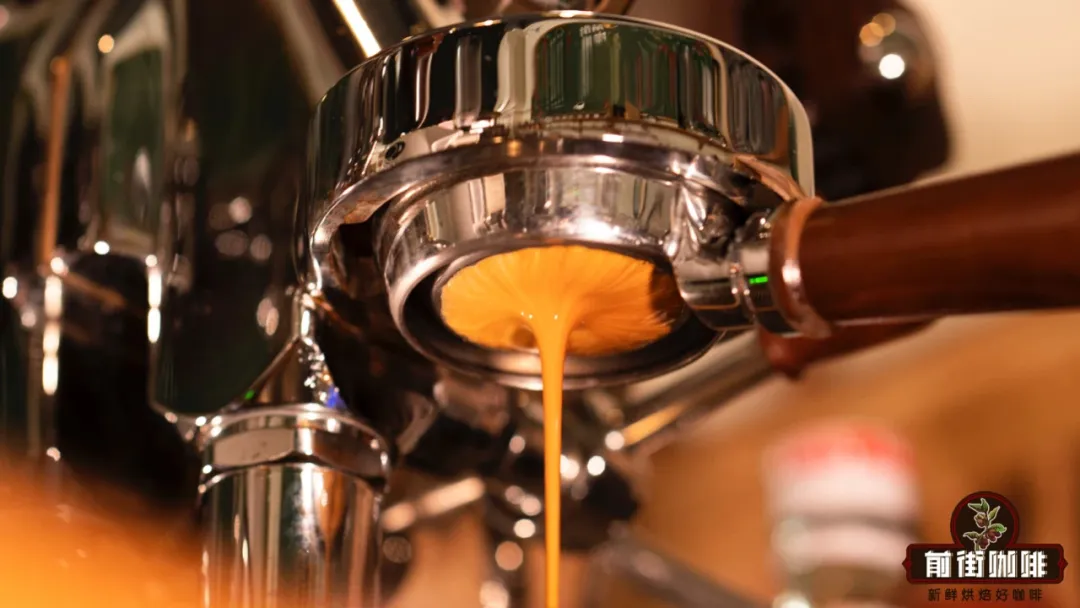
In summary, there’s no absolute formula for adjusting espresso extraction parameters. The focus should be on comprehensively observing shot time, flow speed, and stability, and then making judgments and micro-adjustments based on actual taste. Through continuous practice and record-keeping, you’ll gain a more accurate understanding of your equipment and beans, allowing you to pull balanced and consistent espresso shots.
The above content is compiled by CoffeeHunters, a coffee news website.


