








Introduction:Have you ever wondered if you can preliminarily identify a coffee variety just by looking at its beans? In fact, with just a few key features, you can easily recognize common coffee varieties such as Typica, Bourbon, Caturra, and Geisha. This article will detail the differences in bean shape among these varieties, their flavor profiles when brewed using pour over or espresso methods, and includes a practical visual guide to help you gain a deeper understanding of the unique characteristics behind each coffee.
In the vast world of coffee beans, many enthusiasts wonder whether it’s possible to distinguish different coffee varieties solely based on appearance. In truth, once you’re familiar with the unique bean shape traits of each variety, this skill isn’t hard to master. This article will introduce you to the visual characteristics of common coffee varieties such as Typica, Bourbon, Caturra, Catuai, SL28/SL34, and Geisha, and combine them with their flavor expressions in both pour over and espresso brewing to provide a practical guide for variety identification and flavor analysis.
Of course, since some varieties look very similar, relying solely on appearance does have its limitations—but it remains a fun entry point and can also help you gain a deeper appreciation of each coffee's individuality.

First up is Typica, hailed as the “iconic image of Arabica.” This variety is commonly featured in materials introducing Arabica, and its bean shape isoval and slender, with plump grains and an S-shaped center line that is distinctly curved. The overall bean size is relatively large, making it a classic “tall bean.” Though it has low yield and higher cultivation requirements, its outstanding flavor makes it highly favored by farmers and roasters alike.
The flavor profile of Typica typically featureschocolatey, nutty roasty aromasas its base, complemented by its uniquely fresh and delicate fragrance—leaving a lasting impression. This brand’s coffee lineup includes Jamaica Blue Mountain No.1, Papua New Guinea Bird of Paradise, and a product from Yunnan—all of which are Typica varieties and worth trying for pour over enthusiasts.

Next is Bourbon, Typica’s “contrast counterpart.” As a natural mutation of Typica, Bourbon beans are noticeably moreround and plump, slightly smaller in size but overall thicker, often described as “short, chubby, and round” coffee beans. This variety delivers clean, traditional flavors, highlighted by berry, citrus notes, and green tea-like aromas.
Within this brand’s coffee lineup, the Rwandan offering is a Bourbon variety, known for its clean and layered pour over performance—ideal for those who enjoy fruity flavor profiles.

Caturra is a descendant of Bourbon and stands out for itsshort plant stature, high yield, and strong light tolerance, making it one of the staple varieties in many growing regions. Its bean shape is similar to Bourbon but slightly more elongated, taking on a small, plump oval form with a bright and clear flavor profile.
This brand’s Costa Rican Blackberry variety is a Caturra, which, when brewed using pour over, offers deep berry, grape, and floral notes, along with a slight fermentation sensation. It achieves a balanced acidity and sweetness, with a light mouthfeel—perfect for coffee lovers eager to explore fruit acidity layers.
As for Catuai, it is a hybrid offspring of Caturra and the Mundo Novo variety, inheriting the former’s high yield and disease resistance while offering more stable performance. Since one of its parent varieties, Mundo Novo, is itself a cross between Bourbon and Typica, Catuai beans are more oval-shaped but with slightly pointed ends.
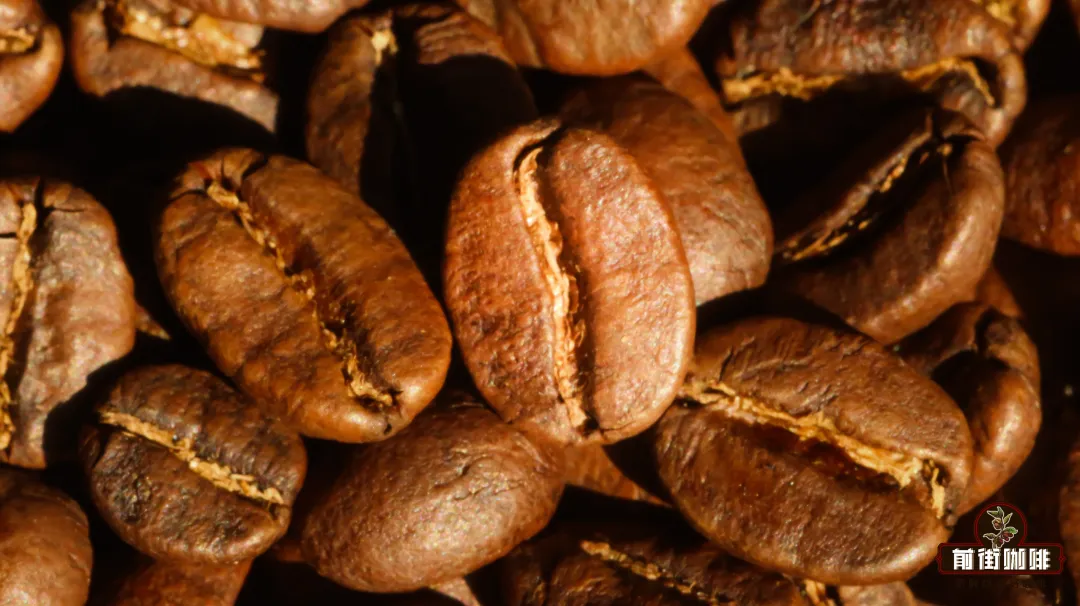
Within this brand’s Panamanian Natural Elida variety, Catuai showcases sweet fruity notes like peach and orange, along with green tea and red wine-like finishes. It’s an excellent choice for both pour over and espresso brewing.
Also not to be overlooked are Kenya’s star varieties, SL28 and SL34. These two varieties, meticulously selected by the Scott Labs, not only deliver exceptional flavor profiles but also offer relatively stable yields, being widely cultivated in Kenya and gradually gaining global attention.
Though they are often planted together, SL28 beans tend to be rounder while SL34 are more slender. They have clearer genetic ties to Bourbon and Typica respectively, so even when mixed, their differences can still be roughly distinguished by appearance. This brand’s Kenyan Little Tomato variety is a blend of the two, delivering intense tomato, dark plum acidity when brewed using pour over, paired with a solid body and caramel-like sweetness—performing exceptionally well.

Finally, we have the much-anticipated Geisha, particularly the Panama T2722 variety. Geisha beans are highly distinctive in shape,slender with pointed ends and a full middle, resembling a sausage bun, setting them apart sharply from other varieties. This makes them easily identifiable even in mixed lots.
Geisha’s pour over flavor profile centers around white floral notes, citrus fruitiness, and a honey-like texture, clearly evident in this brand’s Panama Boquete Geisha, as well as in products like Emerald Estate Green Label/Red Label. Even in blends, Geisha’s unique character often manages to stand out.
In summary, although the appearances of various coffee varieties can sometimes be very similar—with frequent cases of “lookalikes”—understanding basic traits such as bean shape and flavor can help you gain a deeper insight into the background and potential of each coffee. Why not take out your home coffee beans, refer to the descriptions in this article, and observe and taste for yourself? We believe you’ll develop a richer appreciation for every cup of coffee in your hand.
The above content is compiled by CoffeeHunters, a coffee news website.


