








Introduction:In the world of coffee, Arabica and Robusta are the two most common categories, but their taxonomic ranks are actually quite different. This article delves into the differences between the two and introduces the positioning of well-known varieties such as Geisha and Typica, helping readers understand the connections between growing altitude, flavor characteristics, and commercial value—so you can make smarter choices from bean selection to brewing.
Among the more than one hundred confirmed species in the genus Coffea, Coffea arabica (Arabica) and Coffea canephora var. robusta (Robusta) are undoubtedly the two with the highest commercial value. However, many people are unaware that these two actually occupy different levels in plant taxonomy: Arabica is a complete and independent species, while Robusta is just one variety under the species Coffea canephora, similar in classification status to varieties like Geisha or Typica under the Arabica umbrella. This article will analyze in detail the relationships and differences among these three—from scientific classification, growing environment, flavor characteristics, and market applications—and explain why a small amount of Robusta is still added to espresso blends, as is often done in classic blends.

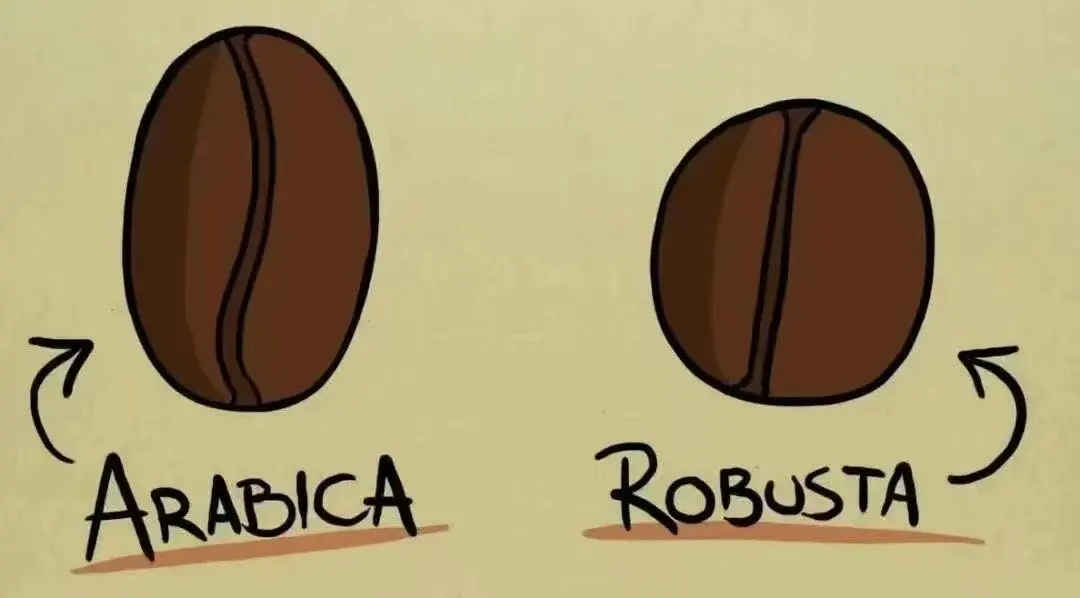
First, let’s clarify the basic definitions of Arabica and Robusta. The scientific name for Arabica is Coffea arabica, commonly referred to as “small-bean coffee.” It originated in Ethiopia, Africa, and is currently the most widely cultivated and most accepted coffee variety in the global market. Well-known varieties such as Geisha, Typica, Red Bourbon, and Yellow Bourbon all fall under the broader category of Arabica. This variety is so popular primarily because its beans contain higher levels of fat and sugar, which, after roasting, release captivating floral, fruity, citrus, and even berry notes. Common descriptors such as floral, grape, citrus, and berries mostly come from Arabica varieties. Examples from our own lineup, like the Boquete Geisha or the Boundary Farm Sidra, are typical representatives. In short, the flavor potential ceiling of this type of coffee is relatively higher.
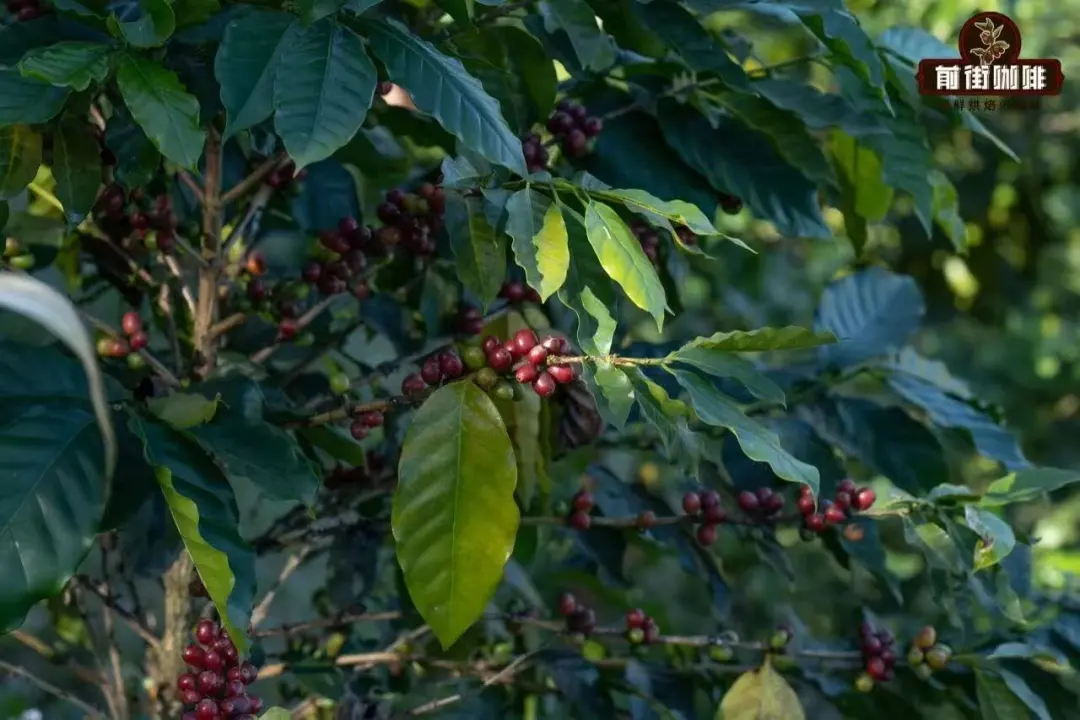
However, Arabica also has clear disadvantages: it requires stringent growing conditions, has relatively low yields, and is not easy to manage. Generally speaking, traditional Arabica thrives at altitudes above 800 meters in mountainous environments, needing stable rainfall and suitable temperature variations. It is also generally more susceptible to pests and diseases, thus requiring more intensive management, which leads to higher overall costs and, consequently, higher retail prices.
As for Robusta, it is often mistakenly regarded as another major coffee “species” on par with Arabica, but its “seniority” is actually different. The formal scientific name for Robusta is C. canephora var. robusta, a variety under the species Coffea canephora, with a classification level equivalent to that of Arabica varieties such as Geisha or Typica. What can truly be considered on par with Arabica is the entire species of Coffea canephora. So why do people often directly compare Robusta with Arabica? Mainly because, in commercial cultivation, only Robusta among the Coffea canephora species is planted on a large scale. Over time, Robusta has become synonymous with “medium-bean coffee.”

Compared to Arabica, Robusta usually has stronger flavor characteristics, and genetically it does not prioritize aroma or delicate taste. Its caffeine content is about twice that of Arabica, and it is typically grown at altitudes below 800 meters in lowland areas. It can withstand high temperatures and strong sunlight, and has significantly stronger resistance to pests and diseases. Thanks to its advantages of high yield, ease of management, and strong adaptability, Robusta’s global production has always closely followed that of Arabica. However, since most Robusta is grown in low-altitude regions, the beans mature more quickly, accumulating fewer flavor compounds, and are therefore often considered to have more ordinary aroma and complexity, or even mistakenly regarded as representative of low-quality coffee.
In fact, traditionally, Robusta is usually roasted to a medium-dark or dark level, with flavors dominated by intense chocolate, caramel, and barley tea notes, and relatively simple layers.(But it’s worth mentioning that some Robusta grown in high-altitude regions can occasionally exhibit subtle fruity notes.). Many consumers, seeing “100% Arabica” on packaging, immediately regard Robusta as a low-tier bean, but this view is not comprehensive. Although Robusta may not stand out in flavor, it offers practical advantages such as low cost, high yield, and pest resistance, making it widely used in commercial products like instant coffee and canned coffee.
Additionally, in the specialty coffee market, Robusta also has unique application value. For example, in espresso blends, some roasters deliberately add a small amount of Robusta to enhance the coffee’s body and crema performance. Many shops in Italy, in pursuit of a bold and intense flavor, may include up to 50% Robusta in their blends. Classic blends, on the other hand, use it in moderation, primarily to increase crema thickness, resulting in a brew that showcases rich hazelnut, chocolate, caramel, and cream notes without overly disrupting the overall balance.

In summary, both Arabica and Robusta have their pros and cons. Choosing which coffee bean to use depends on brewing method, personal taste preference, and usage scenario. Arabica offers superior flavors, but not all Arabica varieties can deliver high-level performance; the variety is just the starting point—the real key lies in factors like growing altitude, post-harvest processing, and roasting techniques. Robusta, though often underestimated, plays an indispensable role in commercial applications and specific blend requirements. Understanding these differences will help you make more appropriate decisions when purchasing coffee beans and planning your brewing approach.
The above content is compiled by CoffeeHunters, a coffee news website.


