







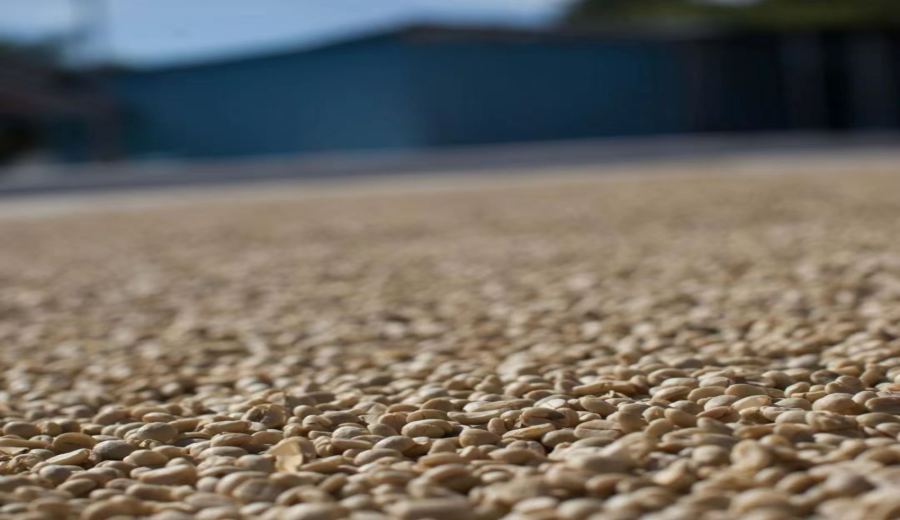
Introduction:Want to understand the differences between washed and natural coffee processing methods? This article delves into the key distinctions between the two from basic principles to practical steps, and explains why washed beans are well-suited for pour over. We also recommend five highly rated washed coffee beans, detailing their origin, altitude, variety, and flavor characteristics to help beginners choose the right beans for starting their pour over journey.
The washed process (Wet process / Washed method) originated in the Netherlands in the 18th century. In some producing regions where the climate is humid and rainfall is frequent, making natural processing difficult, this method was developed. Though more complex, it ensures stable quality. Its most distinctive feature is the use of fermentation to remove the mucilage layer, helping maintain bean integrity and hygiene better than the natural method.
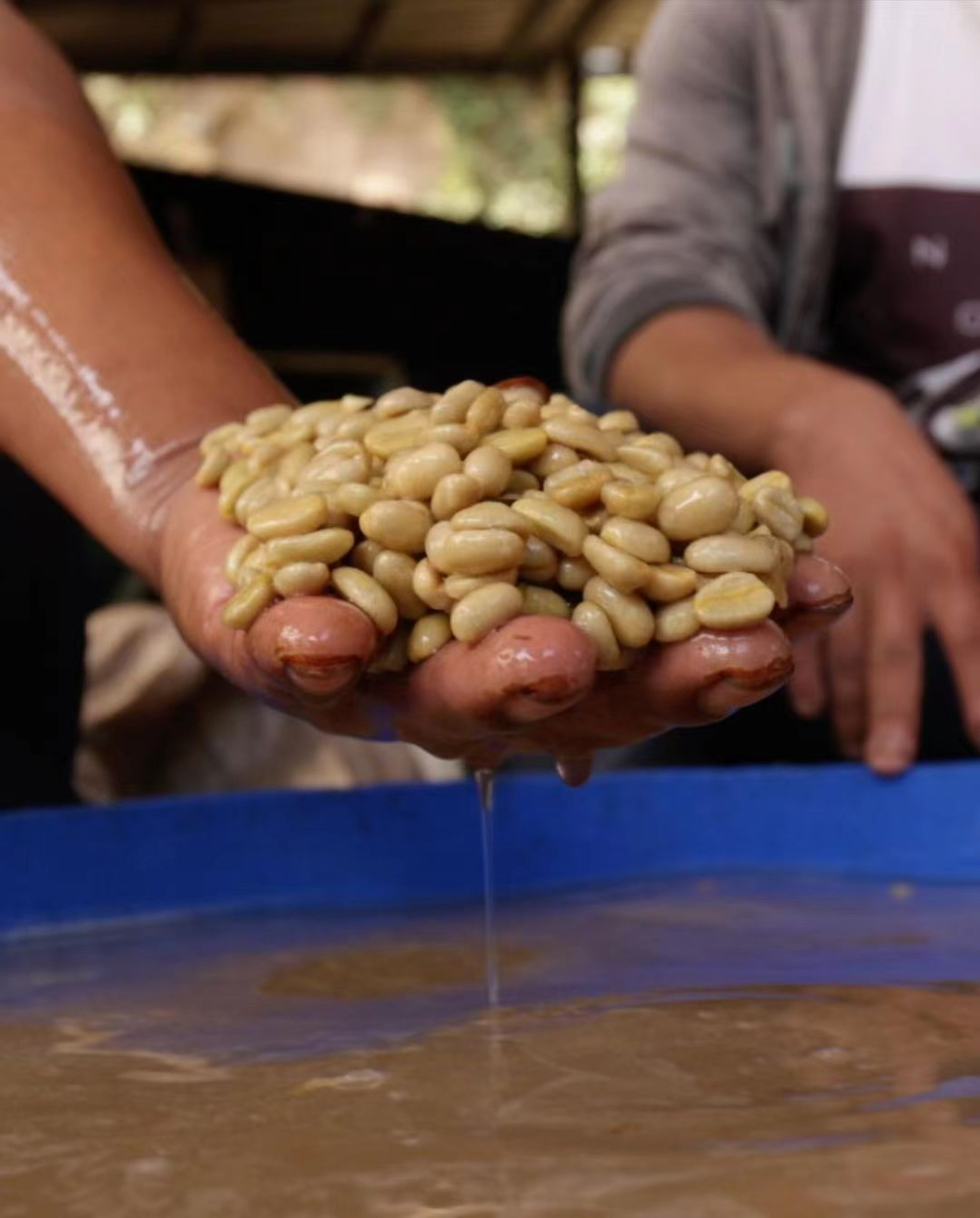
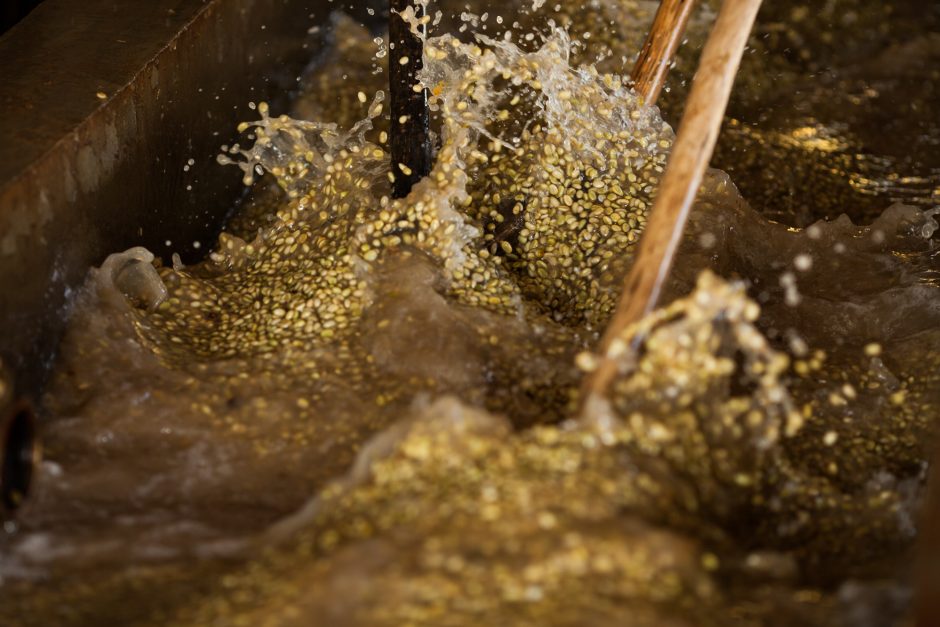
The early stages of the washed process are similar to those of the natural process, both including harvesting ripe coffee cherries and initial screening to remove impurities and floaters. Then come the key differentiating steps:Step four is removing the skin and pulp, where selected coffee cherries are fed into a depulper to remove the outer skin and flesh, leaving only the inner seeds. This is followed bystep five, fermentation to remove the mucilage, where the seeds coated with mucilage are placed in a fermentation tank and the mucilage is naturally broken down through microbial activity.
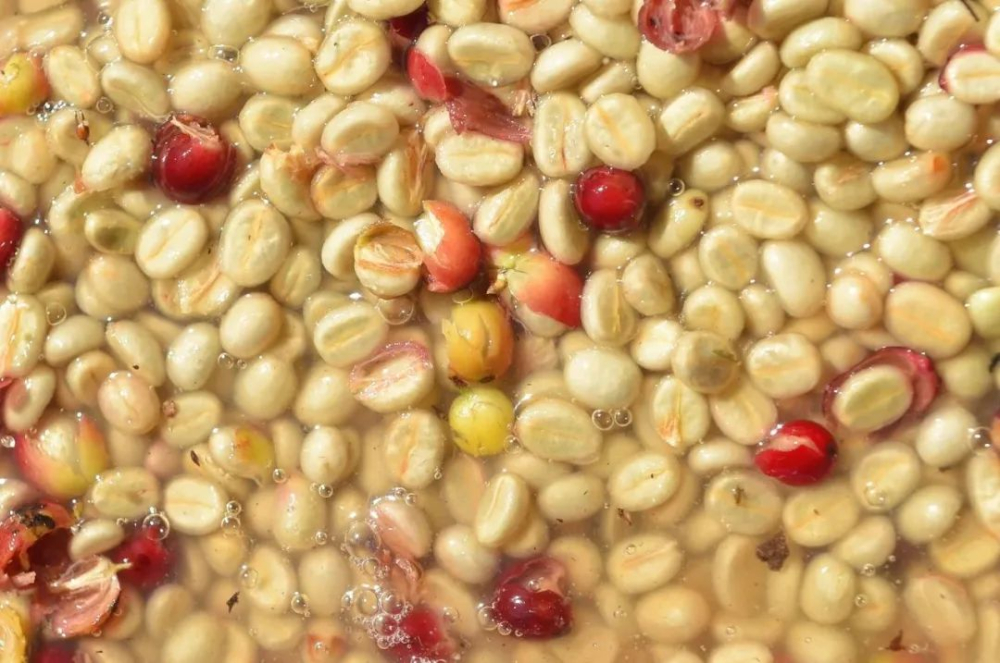
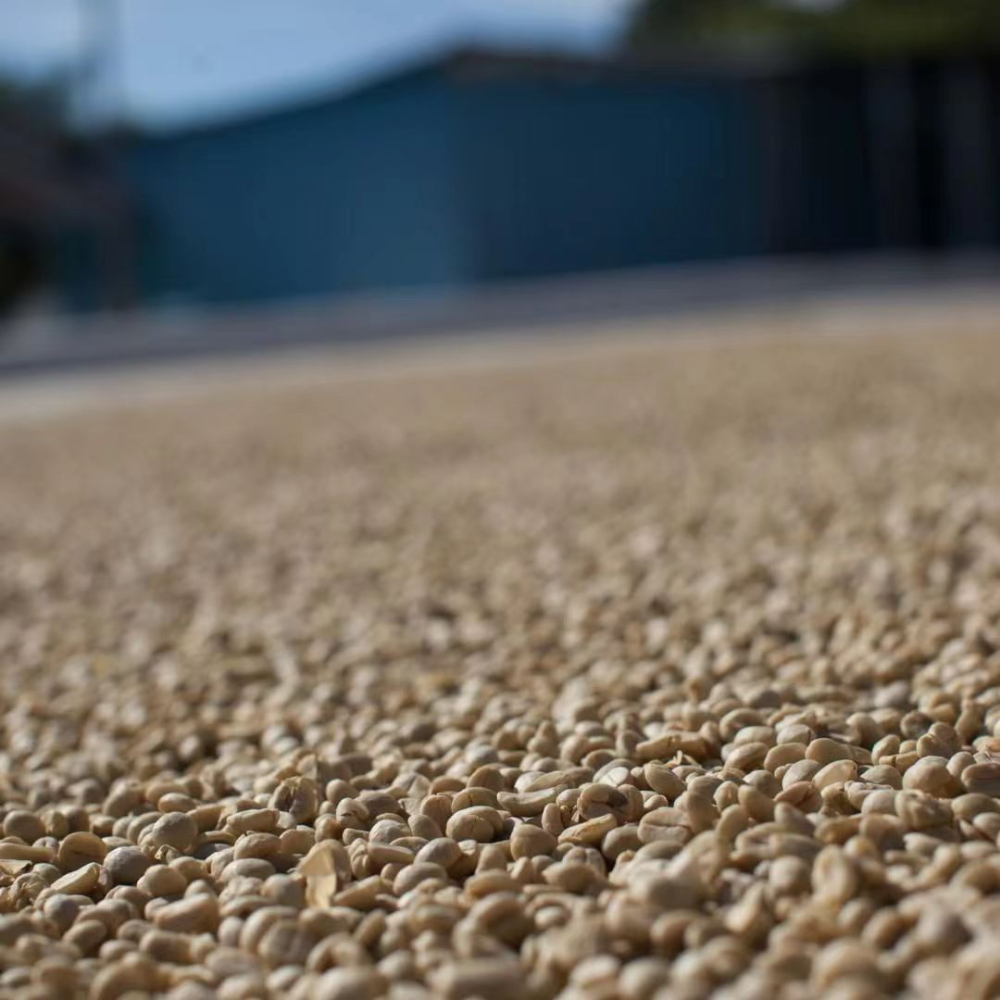
After fermentation is complete,step six involves washing to remove residual fermentation bacteria and impurities. During this process, defective beans, which are less dense, float to the surface and can be easily removed. However, this step consumes a large amount of water, which is one of the main reasons why the washed method has higher costs. Next comesstep seven, drying, usually done by machine or sun drying, reducing the moisture content to 10–14%. Finally, instep eight, a hulling machine is used to remove the parchment and silver skin, after which the beans are ready for packaging and shipping.
The advantages of the washed method include fewer impurities in the final product, uniform appearance, and significantly reduced risk of mold due to early removal of the fruit flesh, resulting in overall greater stability in quality.The disadvantages are the complex process and high water consumption, making it difficult to adopt in areas with limited water resources and generally resulting in higher costs compared to the natural method.
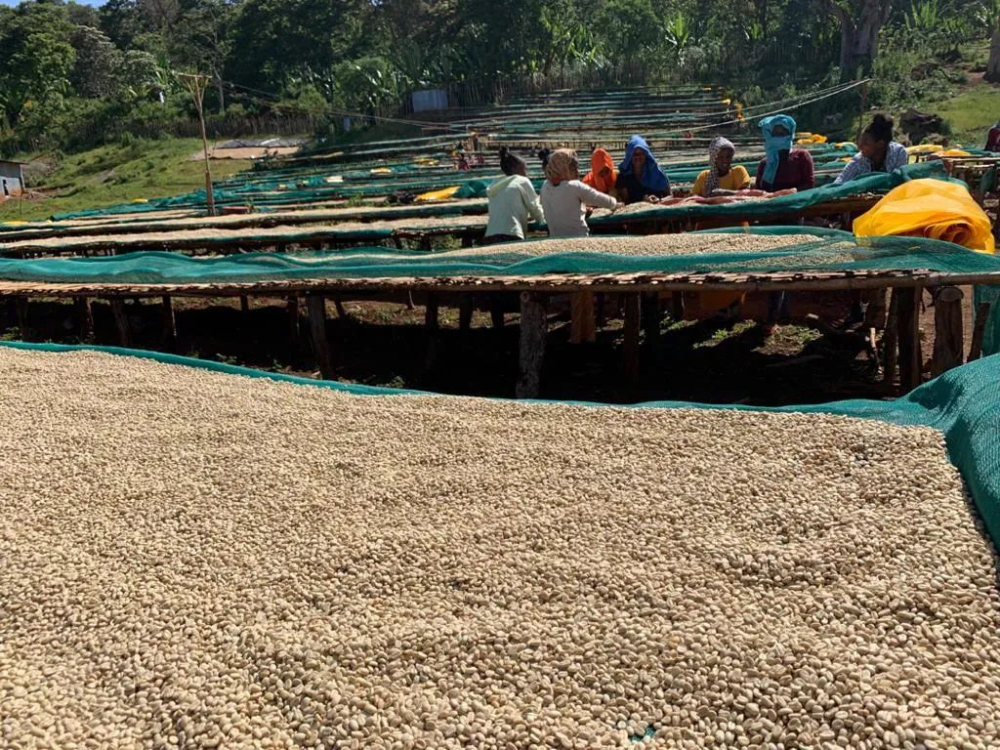
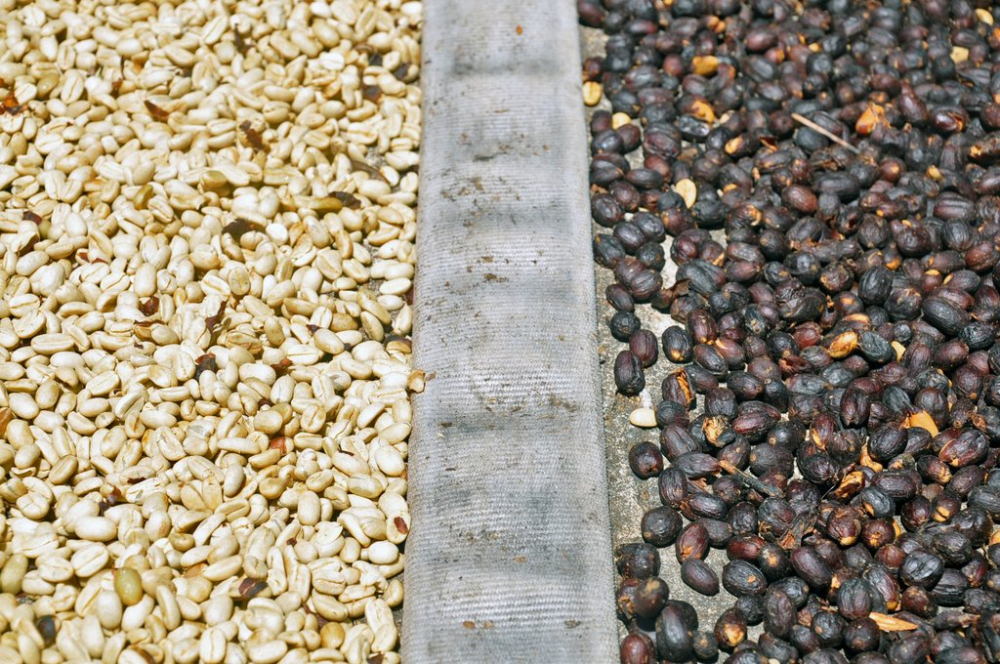
In terms of flavor profile, washed and natural coffee beans show significant differences. The natural method is the most traditional processing approach. Though simpler in steps, it is susceptible to weather influences, leading to inconsistent bean appearance. However, because the coffee beans ripen naturally within the fruit, undisturbed by external factors, they often carry richer fermented aromas such as wine-like notes and pronounced sweetness.
In contrast, washed beans are usually harvested when the fruits turn red and are processed through fermentation tanks that generate acidic compounds,often exhibiting a clean and bright acidity, with a clear flavor profile, making them ideal for drinkers who prefer a refreshing taste. Natural beans, on the other hand, are processed only after the fruits have fully ripened or even overripe, allowing deeper infusion of fruit flavors into the seeds, resulting in more complex flavor layers and higher body.
Below are five recommendations for high-quality washed coffee beans suitable for pour over. Each offers distinct regional terroir characteristics and consistent processing quality, making them excellent choices for beginners aiming to develop their flavor recognition:
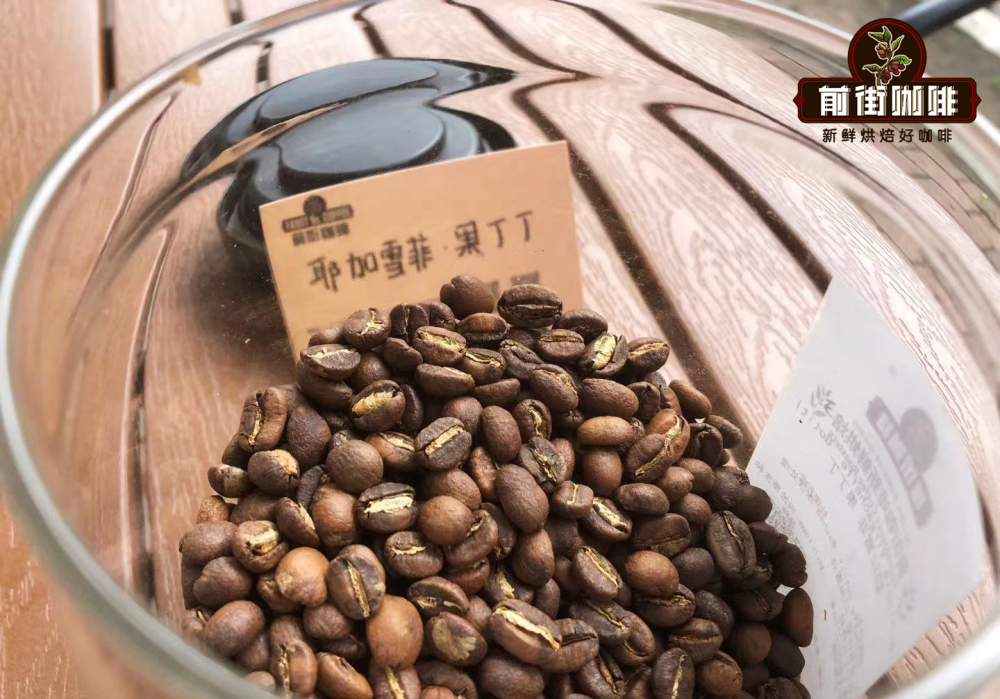
1. Yirgacheffe Guddina Dingding: Produced in Yirgacheffe, Ethiopia, at an altitude of 2000–2100 meters, these locally grown heirloom varieties are washed, yielding flavors of orange, citrus, tea, and jasmine.
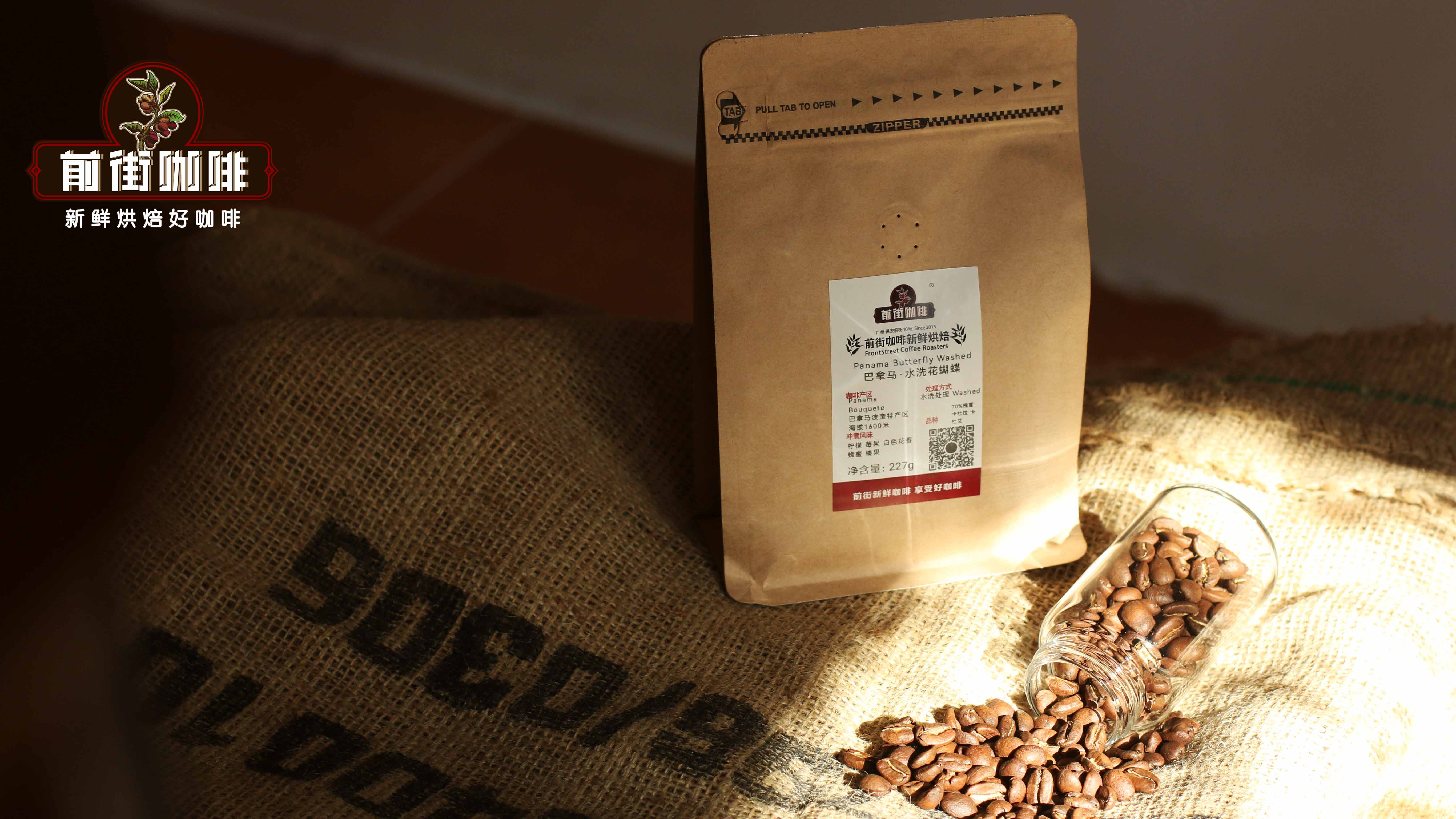
2. Panama Geisha Hualiu: Originating from Boquete, Panama, at 1600 meters altitude, this blend consists of 70% Geisha, Caturra, and Catuai. The washed process highlights berry, citrus, and delicate floral notes.
3. Kenya Little Tomato: From Thika, Kenya, at 1550–1750 meters altitude, using SL28 and SL34 varieties and undergoing a 72-hour washed process, this coffee features flavors of cherry tomato, berries, pears, plums, and brown sugar.
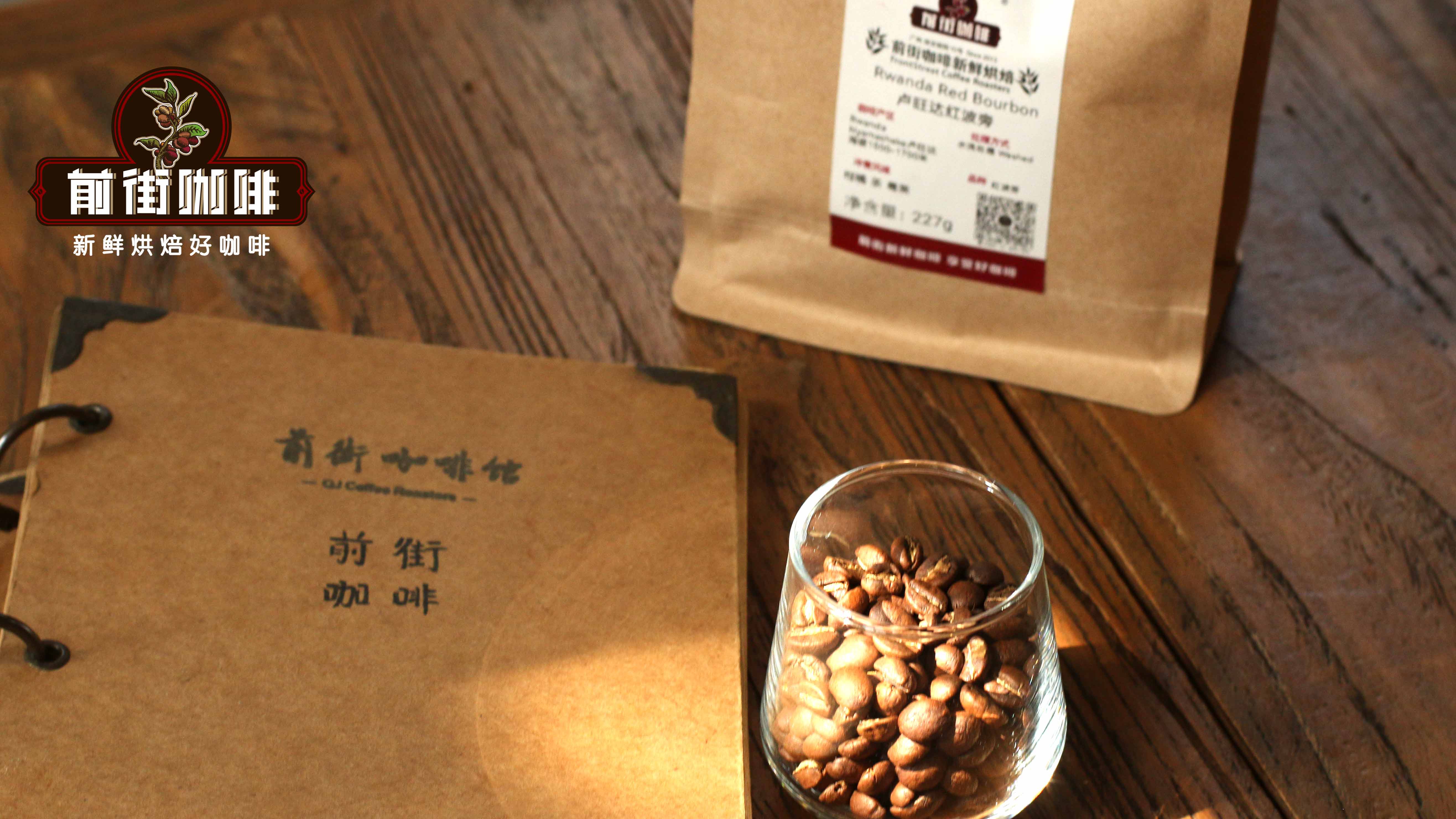
4. Rwanda Red Bourbon: Sourced from Southern Province, Rwanda, at 1500–1700 meters altitude, the Red Bourbon variety processed via the washed method presents notes of berries, citrus, apple, and tea.
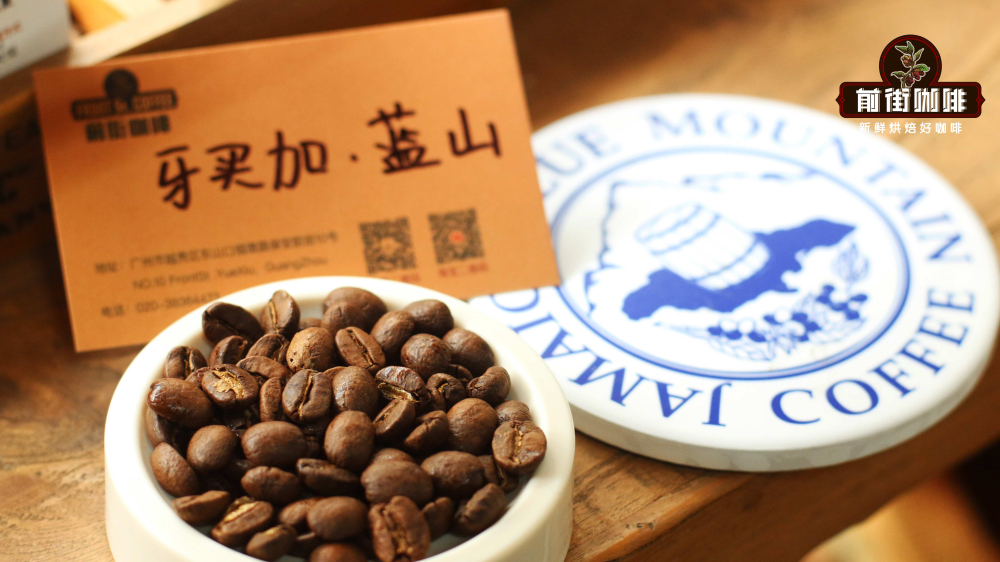
5. Jamaican Blue Mountain No. 1: From the Blue Mountains of Jamaica, at 1310 meters altitude, the Typica variety is washed, delivering a balanced flavor profile with nuts, chocolate, cream, caramel, and a harmonious mix of acidity, sweetness, bitterness, and mellowness.

The above content is compiled by CoffeeHunters, a coffee news website.


