








Introduction:When cold brew meets milk, you can choose to directly steep coffee grounds in fresh milk or first complete the cold brew process and then add fresh milk to blend. These two methods differ not only in their preparation procedures but also significantly in flavor profile and mouthfeel. This article takes an in-depth look at the key differences between "milk-brewed" and "cold brew with added milk," providing practical extraction parameters such as grind size, coffee-to-liquid ratio, and refrigeration time. It also recommends medium-dark and fruity medium-roast coffee beans that pair well, teaching you how to easily make a rich and smooth cold brew latte.
Cold brew coffee offers a variety of variations. When fresh milk becomes part of the steeping medium, it gives rise to two fairly representative methods: one is to directly replace water with fresh milk and steep the coffee grounds in it, known as "milk-brewed"; the other is to first prepare cold brew coffee normally and then adjust it with fresh milk according to preference. These two methods each have their unique characteristics in terms of extraction principles, flavor profiles, and mouthfeel.

Simply put, "brewing with milk first" means directly steeping the coffee grounds in fresh milk for low-temperature extraction. During this process, the soluble substances in the coffee are released into the thicker milk, making the coffee flavors more concentrated. At the same time, because milk is rich in proteins and fats, it also affects the release rate of certain flavor compounds. On the other hand, "adding milk later" involves first completing the cold brew, then adding chilled fresh milk according to personal taste. This method preserves the original flavor profile of the coffee while adding the sweetness and smooth texture of the milk.
If you want a richer base for your milk coffee, it’s recommended to choose medium-dark roasted beans, such as blends with chocolate and buttery notes or single-origin beans showcasing creamy, nutty aromas. If you prefer fruity profiles, you can also opt for medium-roasted beans with tropical fruit, dried fruit, or fermented notes to add layers of complexity. Regardless of which beans you choose, freshly ground is key to preserving aromatic compounds to the greatest extent. Additionally, using fresh milk with a higher ratio of lactose and milk fat helps achieve a smoother mouthfeel.
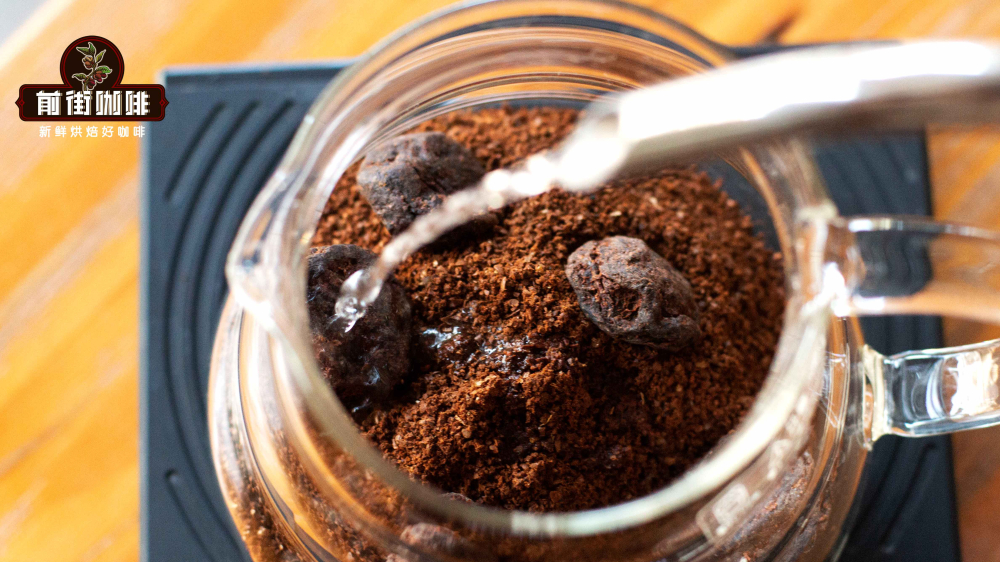
The so-called "milk-brewed" method refers to using fresh milk instead of water as the extraction medium, steeping the coffee grounds in milk for low-temperature brewing. Its procedure is similar to traditional cold brew, but the steeping liquid is changed to fresh milk, resulting in a more concentrated coffee flavor and a creamier texture. It is recommended to use30 grams of coffee beanspaired with360 grams of fresh milk, using a1:12 coffee-to-liquid ratiofor extraction, and opting for a medium-fine grind (such as EK43s setting 10.5 or C40 grinder setting 26, sifted through a #20 standard sieve to achieve about 75% passing rate), with a recommended refrigerated steeping time of8 hours.
The specific steps are as follows: place the ground coffee into a sealable container, add the fresh milk, and stir evenly. Seal with two layers of plastic wrap and refrigerate. After steeping, carefully filter out the coffee grounds using filter paper. Although this method yields a rich flavor, the filtering process may be somewhat time-consuming. For a rounder mouthfeel, you can let it sit in the refrigerator for about an hour after filtering to allow the flavors to meld further.

Another common method is "cold brew with added milk," where cold brew coffee is first extracted with water, and then fresh milk is added in proportion. This method ensures the extraction process is not interfered with by milk, thus more clearly showcasing the original flavor characteristics of the coffee beans. It is recommended to use30 grams of coffee beanswith300 grams of water, using a1:10 coffee-to-water ratiofor8 hoursof low-temperature steeping, also using a medium-fine grind. After steeping, filter out the coffee grounds, then add an appropriate amount of fresh milk according to personal taste—for example, pairing about 250 grams of cold brew coffee with roughly200 grams of fresh milk(a ratio of about 1:0.8) to achieve a balance of flavor and sweetness.
Visually, milk-brewed coffee usually has a darker milk-tea hue and a thicker consistency, resembling the appearance of an iced latte; whereas the cold brew with added milk version transitions from a clear dark brown to a lighter milk-coffee color, giving a visually fresher impression.
In terms of taste, milk-brewed coffee often carries aromas of hazelnut, roasted peanuts, and mixed nuts, with a smooth and rich mouthfeel, akin to the thick body of iced Ovaltine; whereas the cold brew with added milk version has a relatively refreshing flavor, highlighted by cocoa and caramel notes, complemented by the natural sweetness of milk, making it more suitable for enjoyment on a summer afternoon.
It’s important to note that since milk spoils easily, it’s recommended to consume the prepared milk-brewed coffee on the same day and avoid overnight refrigeration to ensure both drinking safety and flavor quality.

The above content is compiled by CoffeeHunters, a coffee news website.


