







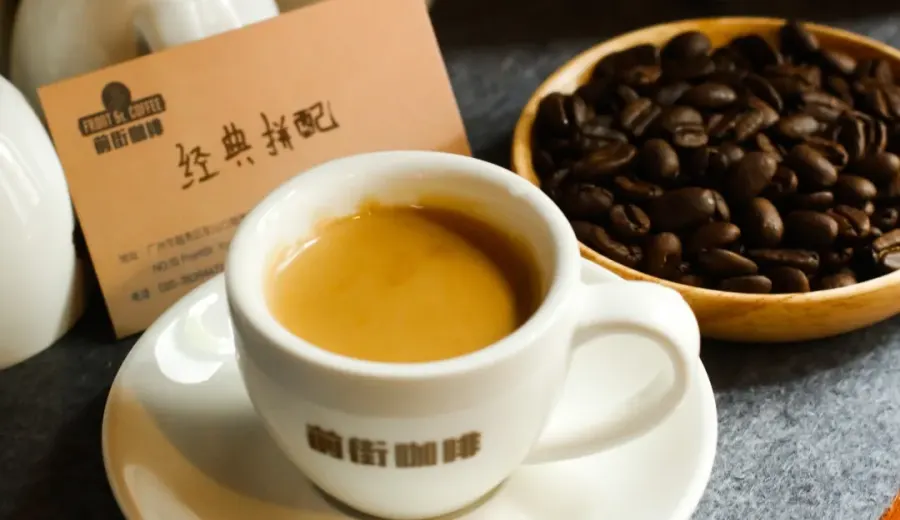
Introduction:Wondering how to choose single-origin beans to brew a SOE espresso with vibrant flavors? This article takes an in-depth look at what defines SOE, helps you understand the characteristics of beans suitable for SOE, and recommends single-origin beans with different flavor profiles across three major processing methods: washed, natural & honey, and anaerobic. It also offers practical extraction tips to address acidity issues when using medium-to-light roasted beans in milk-based coffee, so you can easily brew delicious SOE Americanos and lattes at home.
In recent years, more and more coffee enthusiasts have started experimenting with making SOE espresso using single-origin beans, but not all single-origin beans are suited for this brewing method. So, what exactly is SOE? In fact, it’s the abbreviation for “Single Origin Espresso,” referring to espresso extracted solely from beans originating from a single place—this could be a specific country, region, processing facility, cooperative, estate, or even a single harvest batch.
In the past, most people brewed espresso using medium-to-dark roasted blends. These beans typically offer strong roasty aromas and a full-bodied mouthfeel with good crema, but the flavor profile is relatively one-dimensional. With the growing popularity of specialty coffee, more consumers are turning to single-origin beans, hoping to showcase more distinctive regional characteristics and unique flavors through SOE.
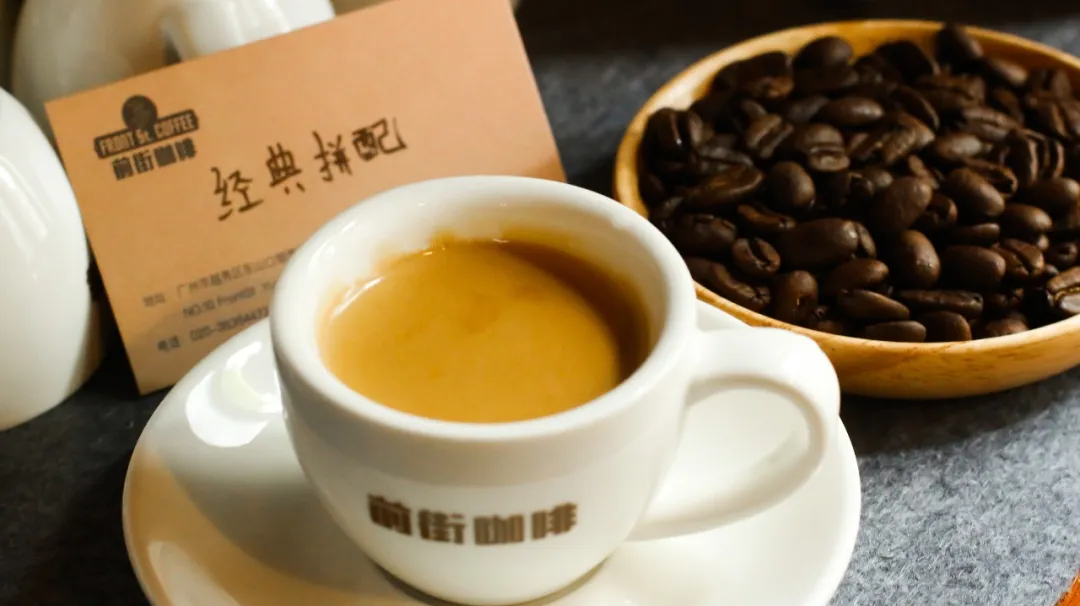
It’s worth noting that as long as the strict criterion of “single origin” is met, any espresso made from such beans can be called SOE. For example, if you use a daily-drinker bean from Yirgacheffe to pull an espresso, then it’s a “Yirgacheffe SOE”; if you make an Americano using Panama Geisha sold at 88 yuan, it’s a “Panama Geisha SOE Americano”—and so on.
However, when actually selecting single-origin beans for SOE, there are several key factors to consider. To distinguish it from the common medium-to-dark roasted espresso flavors and highlight the unique characteristics of the origin, beans suitable for SOE generally need to meet two main criteria: “the roast level should not be too dark,” and “the flavor profile should be distinct and pronounced.”
In reality, a high proportion of beans on the market meet these two criteria—over 95% qualify. To help readers focus their selection, the following will categorize and recommend several single-origin beans suitable for espresso, grouped by flavor style and further divided into three types based on common processing methods.
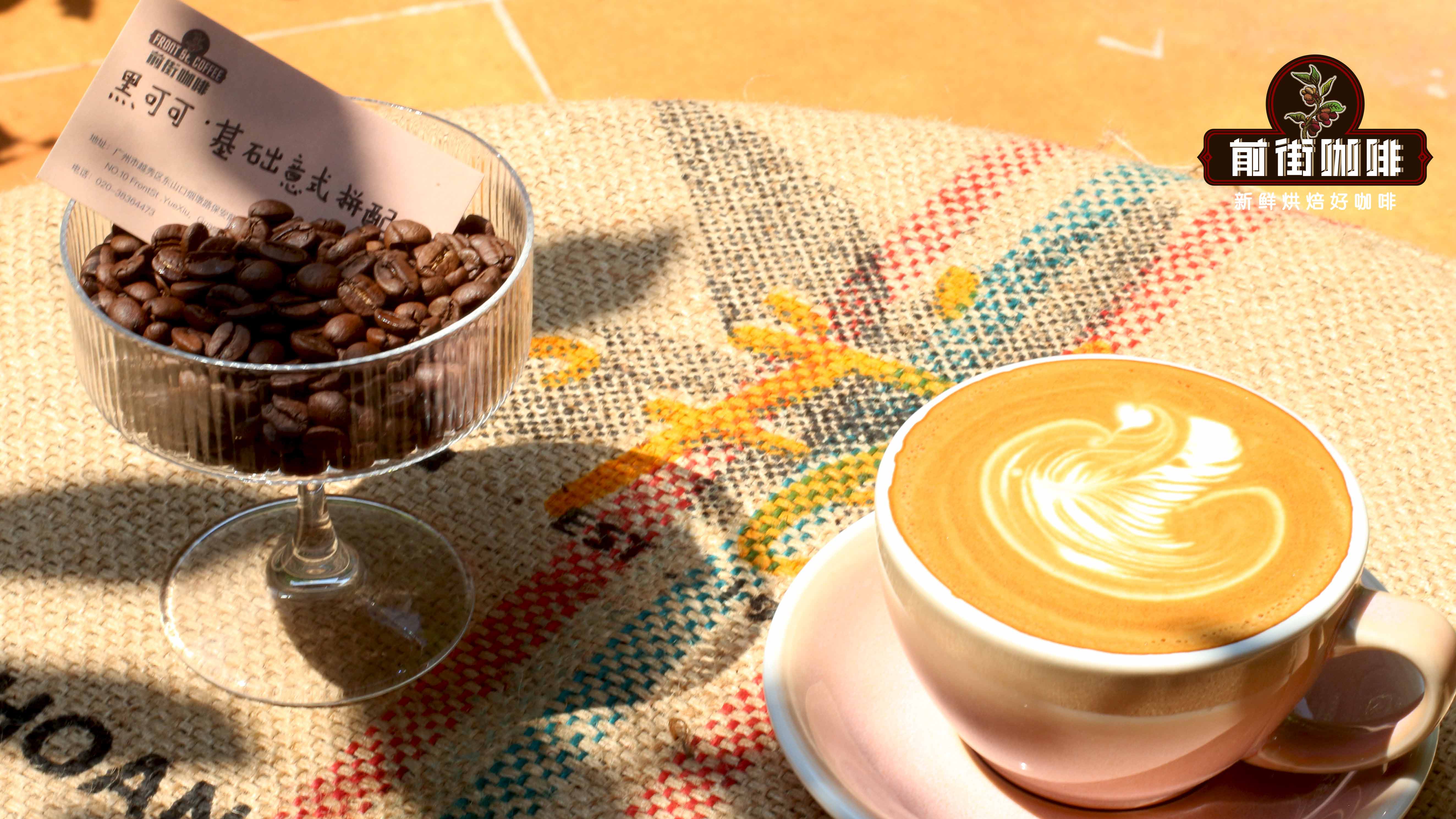
I. Clean and Refreshing SOE
If you prefer a clean-tasting espresso with a light and fresh flavor profile, consider medium-to-light roasted washed beans from Africa or Central and South America, such as Boquete Geisha or Gu Ding Ding. These beans usually have soft fruity acidity, paired with delicate floral notes and a hint of tea-like quality. The resulting espresso or Americano has a refreshing, smooth mouthfeel with flavors as soft as floral fruit tea.
However, the flavor complexity of these beans is relatively light. If making milk coffee like a latte, it’s recommended to reduce the amount of milk slightly to avoid the coffee’s subtle qualities being overshadowed by the foam.
II. Sweet and Tangy Fruit-Forward SOE
Craving a coffee with prominent sweetness and rich fruit flavors? Medium-to-light roasted natural or honey-processed beans are your ideal choice, such as Alo, Huakui, Natural Red Cherry, or Black Honey processed Blackberry. These beans undergo more fermentation during processing, releasing abundant fruity aromas, while the sufficient caramelization during roasting enhances the sweetness.
The resulting espresso or Americano features a sweet-and-tangy core with a round, full body, allowing clear tasting notes of citrus, berries, and other fruit acids. When used in a latte, the bold flavors hold up well even at standard milk ratios, delivering a rich mouthfeel and distinct fruit aroma—performing just as well as washed light-roast beans.
III. Boldly Characterful Flavor SOE
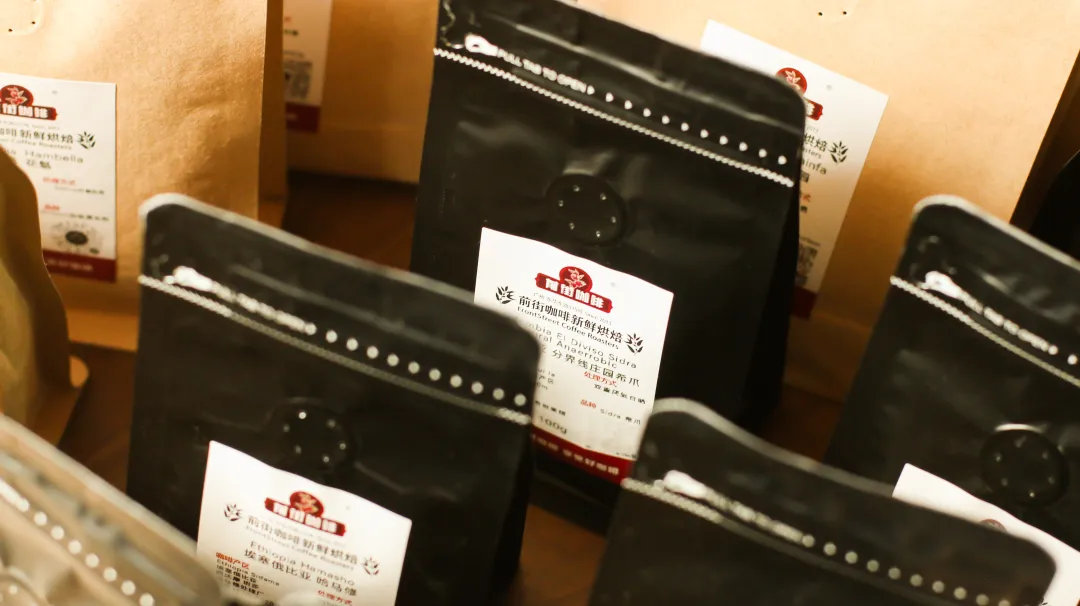
If you’re after uniquely intense and identifiable flavors, medium-to-light roasted anaerobically processed beans are the way to go—for example, the Xizhua, Daduqian, or Strawberry Candy from Costa Rica from Fēnjièxiàn Estate, or the Anaerobic Catuai from Elida Estate. The anaerobic process subjects the beans to deeper fermentation, producing rich and distinctive aromatic profiles.
Take Fēnjièxiàn Xizhua as an example: its Americano often exhibits intense flavors of grape, passionfruit, and apricot, with a sweet-and-sour balance and a full body. In a latte, it brings out pronounced grape and apricot sweetness, blended with caramel and chocolate milk tones, making it a favorite among those who enjoy fermented flavors.
But be aware: heavily fermented beans often come with a stronger fermentative character (similar to wine-like notes), which varies by personal taste—some may find it a highlight, while others might not take to it easily. If you can appreciate this type of fermentation flavor, anaerobic beans are an excellent choice for SOE; otherwise, consider opting for sun-dried processed beans instead.
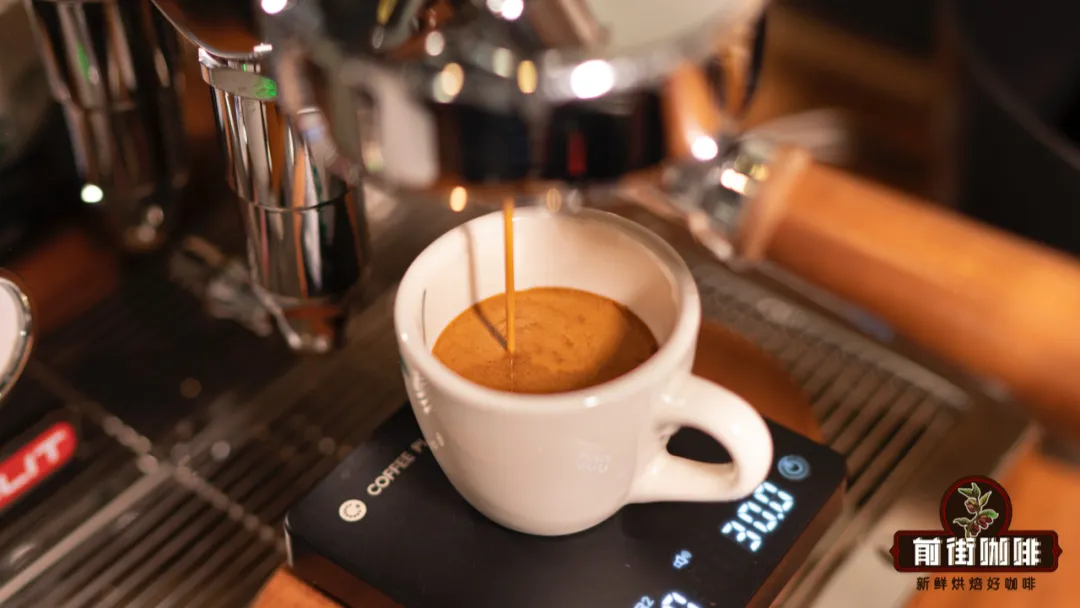
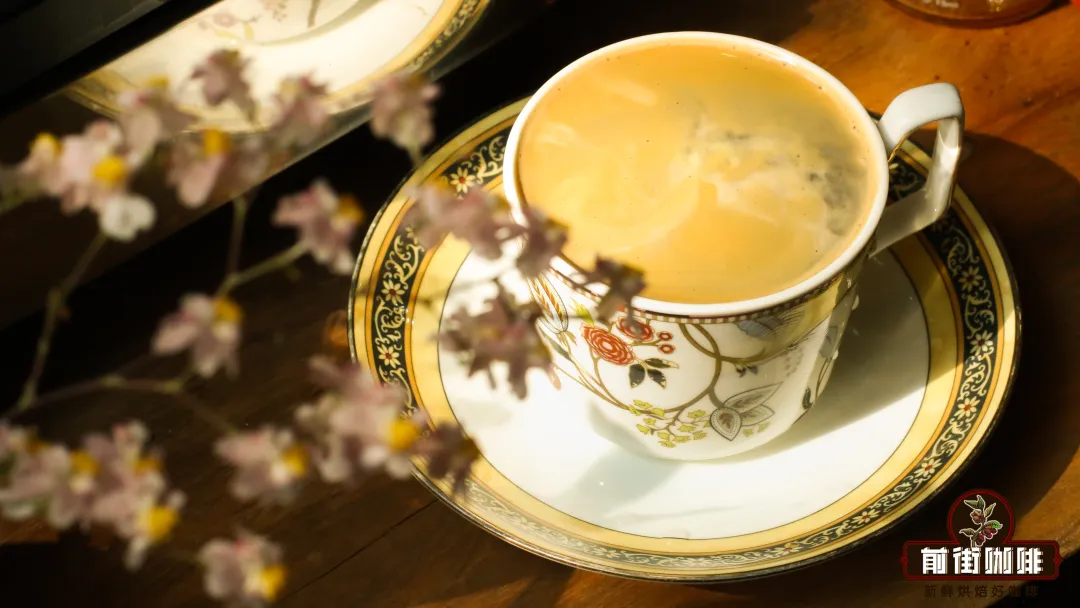
Additionally, these medium-to-light roasted beans commonly carry acidity, which generally has lower compatibility with milk. To avoid clashing flavors in your milk coffee, it’s recommended to slightly extend the extraction time when pulling the shot to increase bitterness and thereby balance the acidity—ensuring a harmonious and seamless mouthfeel in the final cup. For specific extraction parameter adjustments, you can refer to the detailed instructions in our professional articles.
In summary, the key to choosing the right single-origin beans for SOE espresso lies in understanding the bean’s processing method, roast level, and flavor characteristics, and fine-tuning your extraction strategy based on how you plan to drink it (e.g., Americano or latte). Through practice and experimentation, you too can brew uniquely flavorful and distinctive SOE coffee at home.
The above content is compiled by CoffeeHunters, a coffee news website.


