







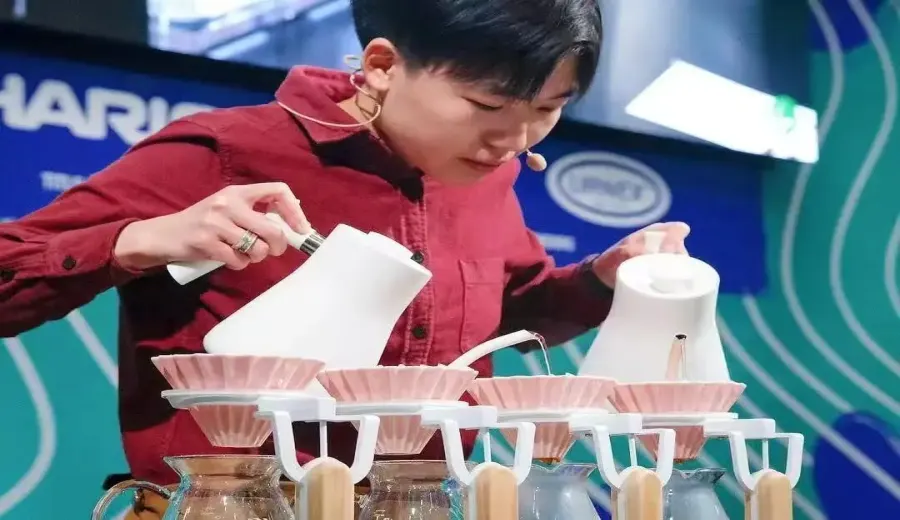
Introduction:In recent international coffee brewing competitions, competitors have frequently adopted staged variable-temperature water strategies to optimize flavor performance. This article reveals three practical low-temperature brewing techniques—the blooming cooling method, the end-stage temperature control method, and the immersion variable-temperature method—using Panamanian Geisha and Shizawa Estate beans as examples. It details parameters including water temperatures of 80–95°C, grind size, and brew ratios, helping enthusiasts precisely adjust acidity-sweetness balance and aroma release, and easily recreate competition-level flavor layers.
Observing recent coffee brewing competitions reveals that more and more competitors are using what is essentially "near cold" water during extraction—hot water injected in stages at temperatures lower than conventional brewing temps. By precisely controlling the dissolution rate at each stage, they achieve targeted flavor optimization. This technique, known as "variable-temperature brewing," has extended from the pro competition scene to home brewing practices. This article will analyze three highly practical approaches: blooming-stage cooling, end-stage temperature shifting, and full-immersion variable-temperature processing, using Panamanian Geisha and Boundary Line Estate Shizawa as samples. It provides a complete operational framework including water temperature gradients, grind settings, and brew ratios.
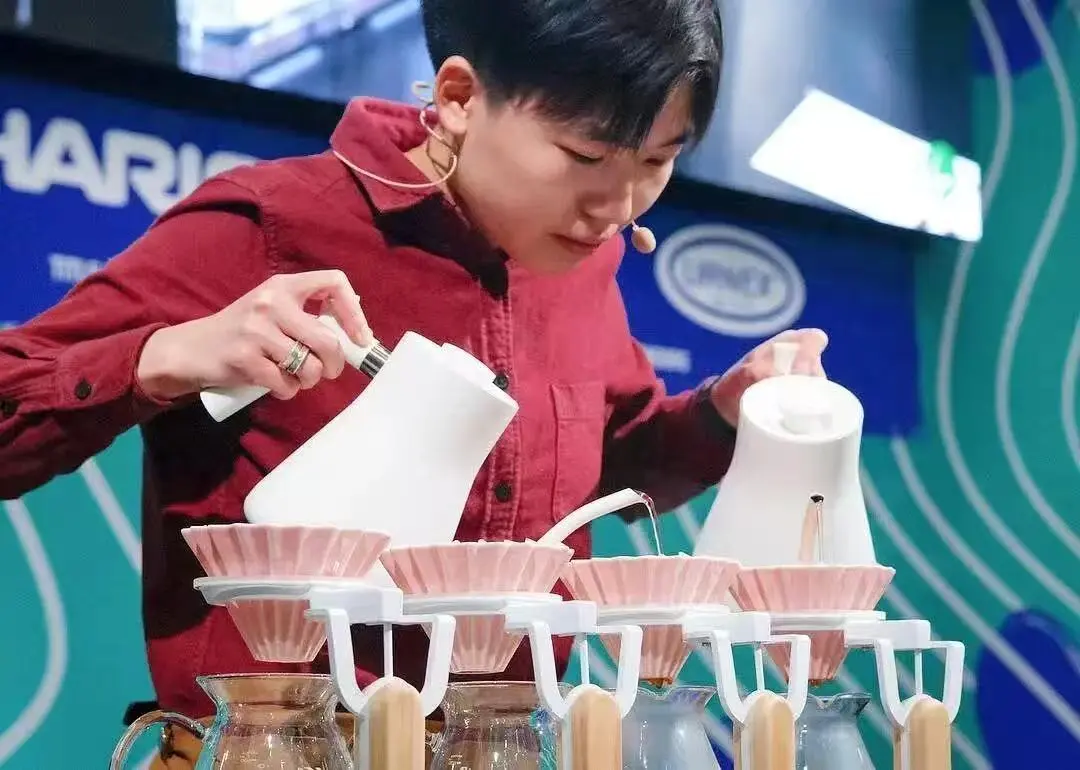
Professional competition observations show that some champion brewers introduce hot water at significantly lower than standard temperatures (around 90°C) during extraction. Though often referred to as "cold water," these liquids typically maintain temperatures in the 70–80°C range. It’s important to note that using low temperatures throughout would lead to under-extraction, so competitors adjust the water temperature only at specific stages—that’s the core logic of "variable-temperature brewing": by layering temperatures to control the release rhythm of soluble substances, ultimately presenting a more balanced flavor structure.

The essence of variable-temperature technology lies in precisely intervening in extraction dynamics. According to brewing principles, the dissolution efficiency of aromatic compounds and acids in coffee varies significantly at different temperatures. For example, high-temperature stages (90°C+) are more conducive to releasing acidic substances and floral-fruit notes, while cooling treatments (below 80°C) can slow the dissolution of bitter precursors. The following introduces three battle-tested variable-temperature schemes, with recommendations to fine-tune parameters based on equipment characteristics and bean roast levels.
Scheme 1: Blooming Cooling Method
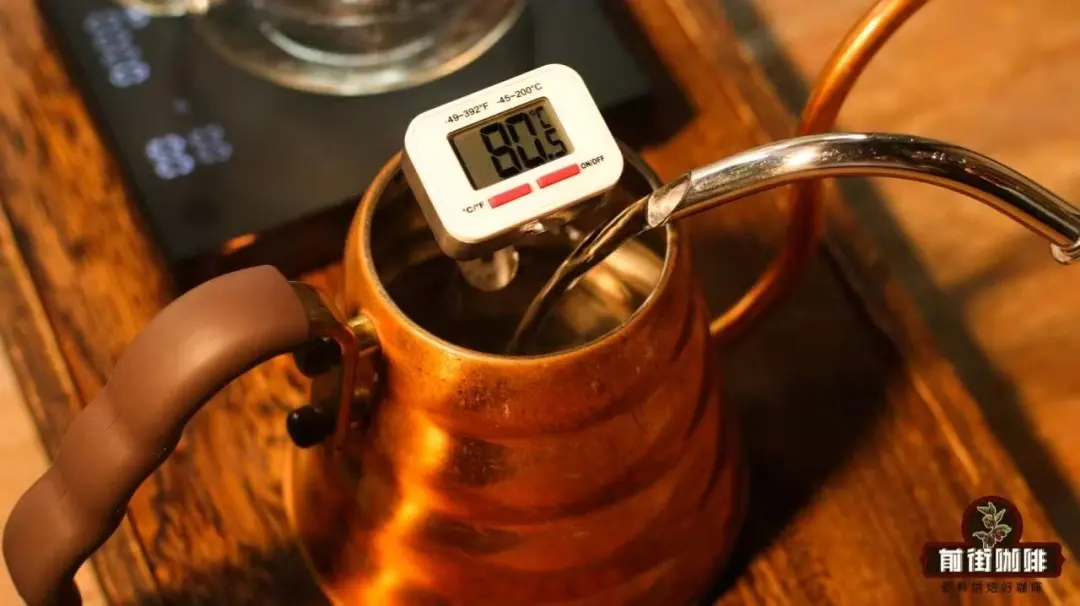
This technique focuses on temperature control during the initial stage—reducing the traditional blooming water temperature of 90–93°C to around 80°C. The goal is to delay the early release of volatile aromatic compounds, allowing the main extraction phase to capture richer floral and sweet components. Taking Panamanian Geisha, which highlights floral expression, as an example, the operation process is as follows: use a 20-mesh sieve with 80% sieved-fine rate for a fine grind (approx. 15g dose), total brew ratio 1:15, three-stage pouring (first stage 30ml blooming water maintained at 80°C, subsequent two stages poured at 120ml and 75ml with temperature increased to 95°C). This approach, by suppressing rapid volatilization caused by initial high temperatures, increases the concentration of white floral notes (such as orange blossom and lily of the valley) in the cup by about 30%, while retaining citrus acidity and honey aftertaste, resulting in an overall taste that is more transparent and refreshing.
Scheme 2: End-Stage Temperature Control Method
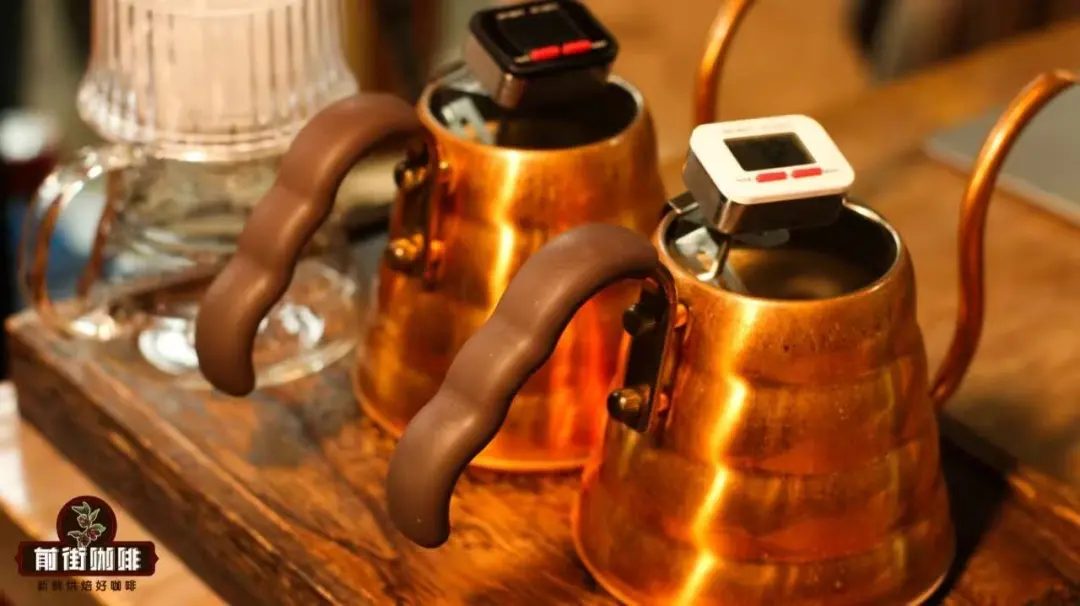
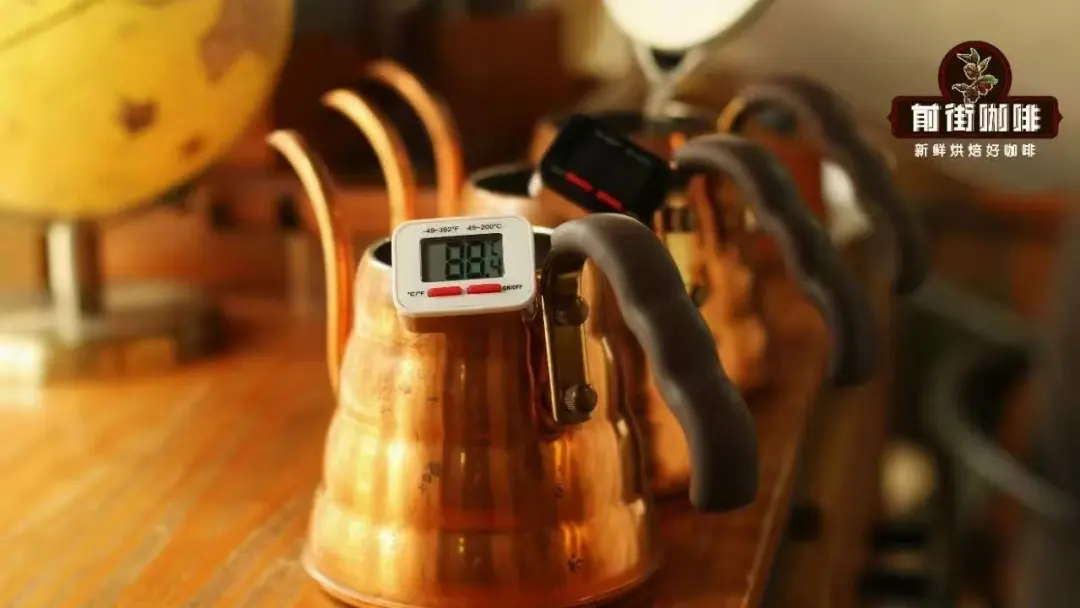
Aiming at the common end-stage bitterness in medium-light roasted beans, this technique uses a three-stage temperature gradient (92°C → 95°C → 85°C) for intervention: the first blooming stage maintains 92°C to ensure basic extraction, the second main extraction stage uses 95°C to enhance flower-fruit flavor release, and the final stage employs 85°C low-temperature water to reduce excessive dissolution of tannin-like substances. Using Shizawa Estate beans as an example (parameters: 15g dose / 1:15 brew ratio / 2-minute extraction / 20-mesh sieve with 80% sieved-fine rate), the final flavor profile is dominated by bright fruit notes such as grape and apricot, accompanied by passion fruit acidity and subtle floral tones, with the bitterness threshold reduced by more than 40% compared to conventional brewing. It is important to strictly differentiate the three water temperatures; it is recommended to use a temperature-adjustable pour-over kettle for precise control.
Scheme 3: Immersion Variable-Temperature Method
This method requires a smart dripper or filter with a valve design to implement, achieving a full-immersion mode combined with low-temperature water (around 70°C) to minimize manual water flow interference. Its principle lies in: the low-temperature environment suppresses the risk of over-extraction, while static immersion ensures even material dissolution, especially suitable for beginners. Although detailed parameters are not covered here, the core logic is the synergistic control of temperature and time (e.g., 70°C immersion for 3–4 minutes), ensuring basic flavor integrity while avoiding bitterness. Advanced users can refer to the 4:6 segmented immersion method to further optimize body and aroma balance.
The above content is compiled by CoffeeHunters, a coffee news website.


