







Introduction:A coffee shop in Dongyang, Zhejiang, combined the local intangible cultural heritage food "children's urine egg" with Americano coffee to create the "Children's Urine Egg Americano," which briefly became a hot topic on short video platforms, selling over a hundred cups on weekends at its peak. However, this creative product that blends tradition with modern beverages has sparked widespread controversy due to the uniqueness of its ingredients. This article delves into the cultural origins, nutritional and hygiene debates, as well as the reasons for its eventual discontinuation, helping readers understand the full picture of this beverage controversy.
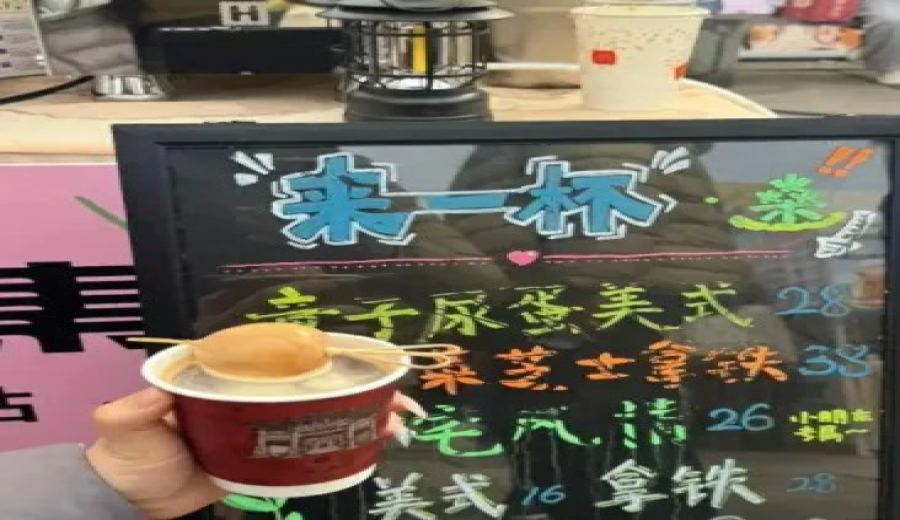
Recently, a coffee shop in Dongyang, Zhejiang, caused a sensation online by launching a special drink called the "Children's Urine Egg Americano." This drink combines the local traditional intangible cultural heritage food "children's urine egg" with a regular Americano coffee, creating a unique dining experience. It is understood that this drink quickly went viral on short video platforms, with sales reaching up to a hundred cups during peak weekend hours.
From customer-shared images, this special drink usually features a children's urine egg roasted over charcoal placed next to an Americano coffee, with the coffee and egg being consumed separately. Some customers also ask the staff to mash the egg and mix it into the coffee, drinking them together directly. While this blend of traditional and modern beverages attracted many curious consumers for photo opportunities, its use of unconventional ingredients also sparked considerable controversy.
As a traditional custom in Dongyang, the children's urine egg has a history of several hundred years. According to the Dongyang Intangible Cultural Heritage Protection Center, the children's urine egg is indeed a municipal-level intangible cultural heritage item in the city. This practice originated in times when living conditions were relatively harsh, and farmers believed that eggs boiled in children's urine could strengthen the body, nourish yin, and reduce internal heat, especially in spring, when it was thought to help prevent heatstroke and fatigue.
However, while this creative drink that combines intangible cultural heritage food with modern coffee has gained some local support, it has also drawn significant skepticism online. Many netizens have described the children's urine egg as a "dark cuisine," arguing that such innovation clashes with modern food safety concepts. Medical experts have also pointed out that, from the perspective of modern nutrition, children's urine does not contain any special nutrients, and since urine is essentially a human waste product, it can easily breed bacteria if left standing, posing certain hygiene risks.
Although the children's urine egg has deep cultural roots in Dongyang and was once popular as a spring health food, with the spread of modern medical and hygiene concepts, this practice has gradually become controversial. Every spring, the children's urine egg becomes a hot topic of online discussion, with many questioning its hygiene and nutritional value.
Faced with public pressure, the coffee shop ultimately decided to discontinue the "Children's Urine Egg Americano." Staff mentioned that if customers still wish to try this unique combination, they can prepare the children's urine egg themselves and enjoy it with coffee at the shop. This decision reflects the challenges businesses face in balancing cultural heritage with the demands of modern consumers.
Overall, the emergence of the "Children's Urine Egg Americano" is not only an attempt at beverage innovation but also raises deeper reflections on local intangible cultural heritage, modern food safety, and hygiene standards. The rise and fall of this drink remind us that while exploring culinary innovations, we must also pay attention to their underlying cultural significance and health risks.
The above content is compiled by CoffeeHunters, a coffee news website.


