







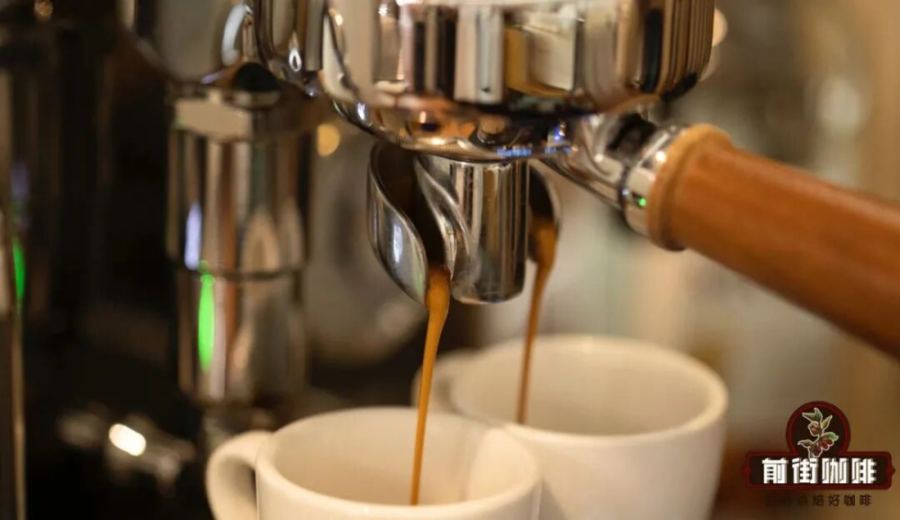
Introduction:If you want to brew professional-level espresso at home, a semi-automatic espresso machine is absolutely the key tool. However, products on the market range in price from 500 yuan to tens of thousands, with huge differences in performance and flavor. This article provides a detailed analysis of the actual performance of semi-automatic espresso machines across various price ranges, including crema richness, extraction stability, and steam function. It also compares flavor differences across price segments through practical testing to help you choose the most suitable model based on your budget and needs.
To craft an espresso with delicate crema and a rich, full-bodied taste, many coffee enthusiasts opt for a semi-automatic espresso machine. However, prices for these machines on the market vary widely—from a few hundred to tens of thousands of yuan—with huge disparities in performance and output quality. This article categorizes machines by price range and delves into the characteristics of entry-level, mid-range, and high-end semi-automatic espresso machines. It also includes real-world testing results using specialty blended coffee beans on different devices to help you find the machine that best meets your needs and avoid wasting money.
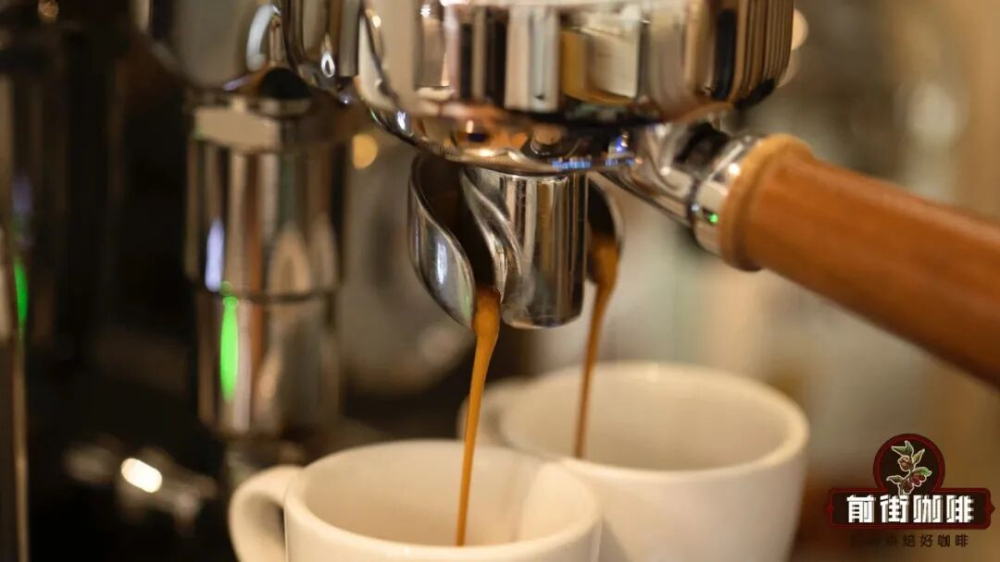 A semi-automatic espresso machine is an espresso-specific device that requires you to manually handle every step of the process. From precise grinding, even distribution of coffee grounds, proper tamping, controlling extraction time, to frothing milk and latte art—every part of the process is completed by the user. There are numerous variables that affect extraction quality, including grind size, coffee dosage, coffee-to-water ratio, water flow rate, and extraction pressure. Only by mastering these details can you achieve a cup of coffee with balanced taste and outstanding flavor. It's precisely because of this high level of involvement that many coffee aficionados are willing to invest more to replicate a café-level extraction experience at home.
Many readers often ask how to choose the right semi-automatic espresso machine. However, there are so many types of such products, with an extremely wide price range, plus a variety of brands, features, and designs. Therefore, we usually don't directly recommend specific models, but instead suggest choosing the equipment that best suits your individual conditions based on your actual usage needs.
First, let’s talk about price. Open any shopping platform, and you’ll find that a semi-automatic espresso machine without a grinder may cost just a few hundred yuan, while there are also professional-grade options priced as high as tens of thousands. For beginners just getting started, how should you choose so you don’t waste your money?
First, avoid “toy machines” under 500 yuan
Even when operated by experienced baristas, as long as the beans are of good quality and the extraction method is correct, low-cost equipment can still produce passable coffee. But for beginners just starting out, who lack hands-on experience, choosing a “toy machine” priced between three to four hundred yuan may likely result in issues like unstable pressure, uneven extraction, or even hearing an annoying “clacking” noise during operation. Not only does this affect the user experience, but the extraction quality is also hard to control.
An ideal espresso requires stable high temperatures (around 93–95°C), uniform and high-pressure water flow (ideally around 9Bar), along with finely ground and evenly tamped coffee puck to successfully extract rich flavors and delicate crema. In other words, the espresso machine you choose must be able to provide these basic conditions to be considered a qualified extraction tool. Machines under 500 yuan often can’t even guarantee the most basic stable pressure and temperature control.
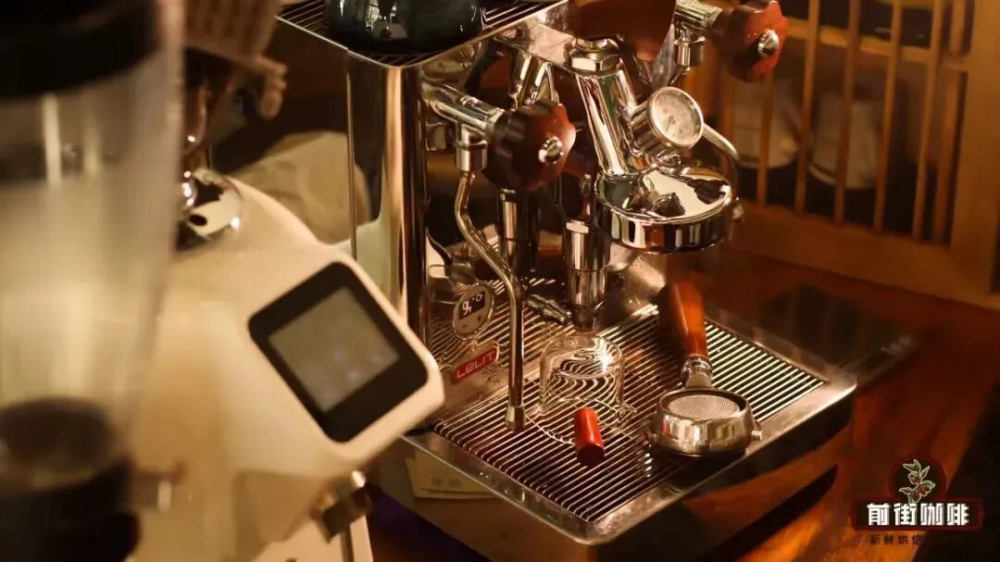
Second, choose the appropriate tier based on your needs and budget
If we exclude entry-level machines under 500 yuan and professional commercial machines over 6000 yuan, for general household or enthusiast use, semi-automatic espresso machines can generally be divided into the following three practical price ranges:
1. Entry-level (500–1000 yuan): Suitable for beginners with limited budgets who want to try brewing on their own. The advantages are affordable pricing and simple operation, but common issues include thin crema and unstable extraction pressure, resulting in bland flavors and a lighter-bodied espresso.
2. Mid-range (1000–3000 yuan): Suitable for users with some experience who hope to improve extraction stability. Machines in this price range typically offer more stable pressure output, but the steam wand performance is generally weaker, and milk frothing control needs improvement.
3. High-end (3000–6000 yuan): Suitable for users seeking a café-level experience and hoping to get everything in one go. Machines in this price range often come equipped with a dual-boiler system, which can stably maintain both extraction and steam pressure simultaneously. The pressure output is typically stable at around 9Bar, significantly improving extraction and milk foam quality.
Although higher price doesn’t necessarily equal absolute deliciousness, there is indeed a clear positive correlation between the stability, usability of the equipment, and the final flavor performance. Choosing the right equipment for your needs can not only enhance coffee quality but also make the brewing process smoother and more enjoyable.
Third, evaluate comprehensively based on brand and user feedback
For general consumers, it’s recommended to prioritize brand reputation and product sales when making a purchase. Well-reviewed brands usually indicate a certain level of product quality and after-sales service. For example, several popular domestic brands have accumulated many positive user reviews over the years. Additionally, choosing a best-selling model (within your budget) often comes with more comprehensive warranty support, and you can quickly get help if problems arise.
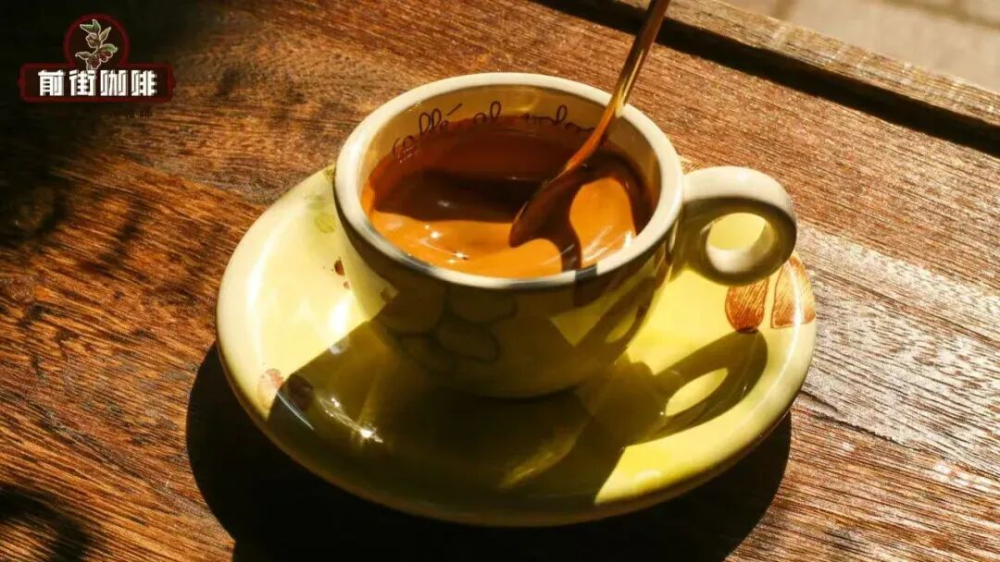
If you’re still having trouble deciding, you might consider looking at real user reviews and photos of the coffee they’ve brewed. If the espresso shows a bright golden to brownish-yellow crema layer, and latte art forms clear patterns, it usually means the machine’s pressure and steam functions meet basic requirements, and extraction stability is at a decent level. On the other hand, if the espresso has no crema at all, the crema collapses quickly, or the latte art is just rough white foam, it’s advisable to compare a few more models to avoid compromising your coffee experience just to save money.
What’s the difference in extraction performance between espresso machines ranging from a few hundred to tens of thousands of yuan?
To more intuitively understand the actual differences among machines at different price points, we conducted practical tests using a medium-dark roasted specialty blend (with flavor notes of nuts and caramel cookies), extracting with semi-automatic espresso machines from various price ranges:
For machines in the 500–1000 yuan range, the extracted espresso had relatively light and yellowish crema, with flavors mainly of mild nuts and a thinner body. When moving up to the 2000 yuan range, the crema layer became noticeably thicker and darker, and when made into an Americano, you could detect flavors of roasted peanuts and cream, with improved body.
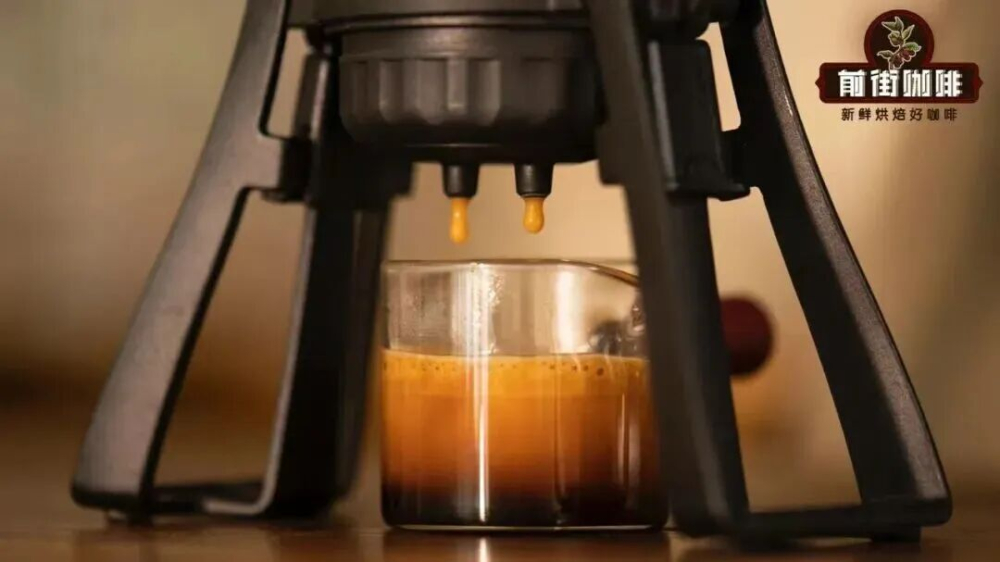
As for professional commercial-grade machines priced at tens of thousands, the espresso extracted not only had rich, full crema with fine and long-lasting bubbles, but also exuded intense cocoa and wafer cookie aromas. Whether enjoyed black or with milk, it showcased complex flavors such as caramel, cream, and almond, clearly standing out from machines in other price ranges.
The above content is compiled by CoffeeHunters, a coffee news website.


