








Introduction:Many beginners in pour over coffee often face issues such as unstable water flow and irregular pouring paths, which affect the even extraction of coffee grounds. Mastering stable vertical pouring and circular pouring techniques not only improves brew quality but also shortens the learning curve. This article provides an in-depth analysis on how to choose a suitable pouring kettle, control the right water level, use both hands to stabilize the kettle, and teaches practical methods such as using arm movement instead of relying solely on wrist rotation, as well as adjusting the kettle’s tilt angle based on water volume. These tips will help you quickly acquire professional-level pour over skills.
One of the keys to successful pour over coffee lies in the ability to pour a stable vertical stream of water. This not only affects the extraction efficiency of coffee flavors but also determines whether the final taste is balanced. However, many beginners often encounter problems such as skewed or inconsistent water flow, and even struggle to pour even circles. In fact, by mastering the correct pouring technique and kettle usage skills, these issues can be significantly improved, helping you enter a stage of stable extraction more quickly.

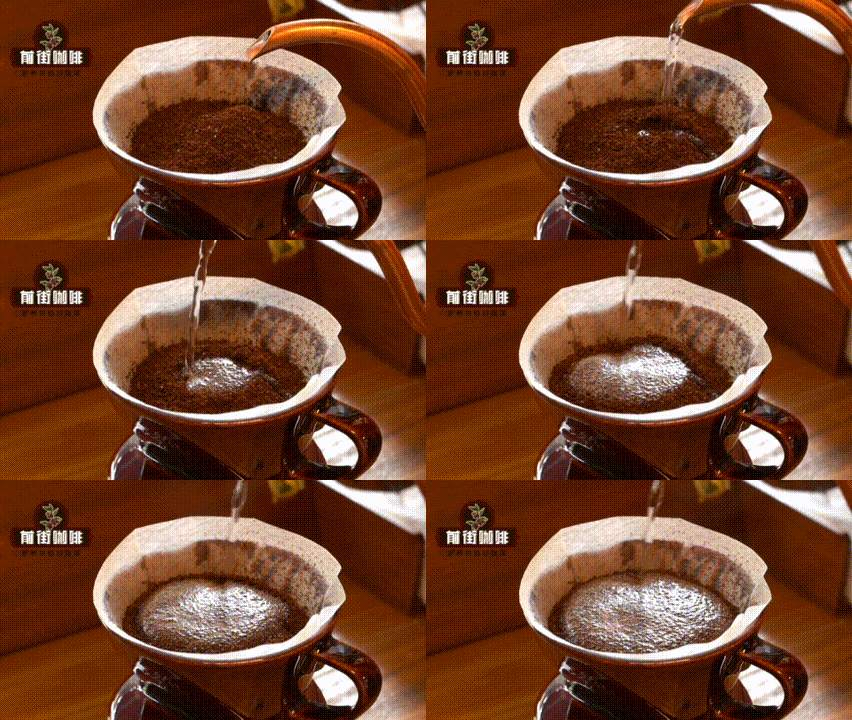
It’s often said that "practice makes perfect," but to effectively reduce practice time, understanding key techniques in advance is crucial. From choosing a suitable pouring kettle, to controlling the amount of water poured, adjusting the kettle grip, to how to use your arm rather than just your wrist when circling—these are all important factors affecting water stability. With the following practical tips, you too can gradually train yourself to achieve stable and professional pour over movements.
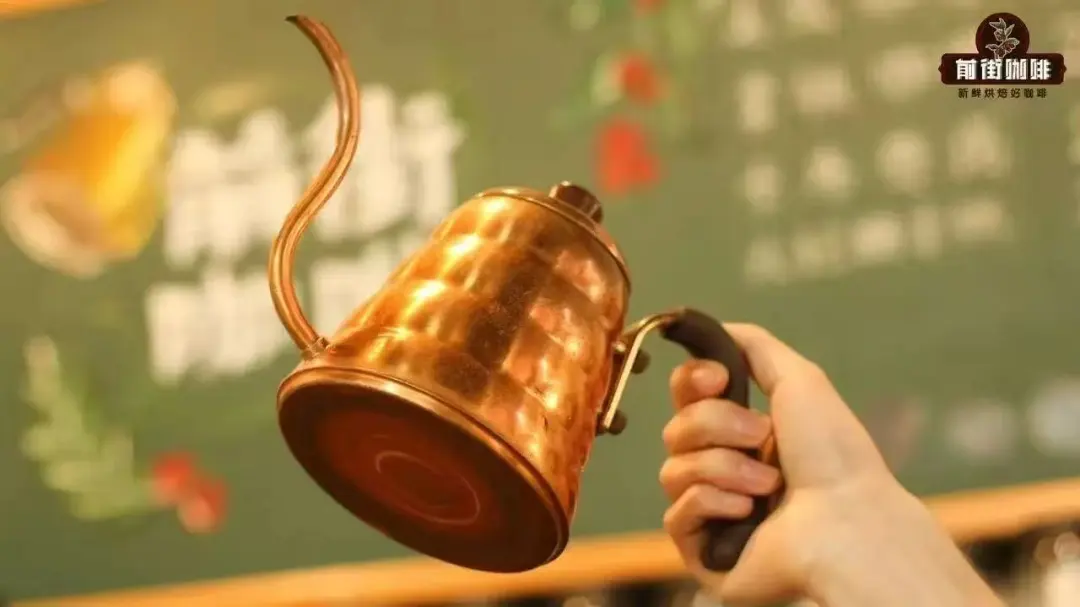
If you haven’t yet purchased a dedicated pour over kettle, it’s recommended to first choose one that suits your hand feel and remains comfortable for long-term use. The market offers a wide variety of pouring kettles, each with differences in grip feel, weight distribution, and spout shape. Frequently switching kettles can cause beginners to need to readapt due to differing hand feels, affecting practice effectiveness. For detailed indicators on how to choose a suitable pouring kettle, you may refer to related extended resources.

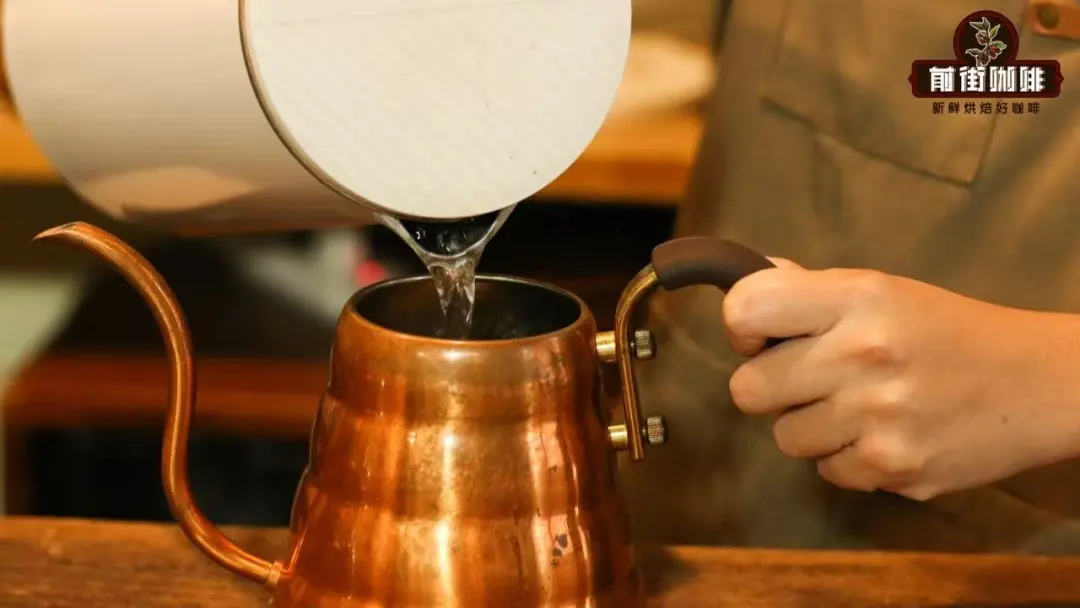
After selecting your kettle, the next step is to properly control the amount of water inside. It is recommended that beginners, during the initial practice phase, fill the kettle with as much water as they can stably hold. A kettle that is too light can easily lead to shaking, especially for novices—any slight uneven force applied during pouring can cause the kettle to tilt, resulting in unstable water flow. When the kettle contains enough water, the overall center of gravity is more stable, and a vertical water stream can be achieved without needing to tilt the kettle too much, which helps beginners more easily grasp the feeling of stable pouring. However, it’s also important to note that the pouring process usually lasts about two minutes, with roughly three-quarters of that time requiring you to hold the kettle. Therefore, don’t overfill it to avoid excessive fatigue—keep the water volume within a range that you can comfortably manage continuously.
To further enhance stability, using both hands to hold the kettle is a practical technique. Hold the handle with one hand and lightly rest the other hand on the kettle lid or upper part of the kettle body. This can significantly improve overall stability. Not only does this help secure the kettle, but it also allows you to focus more on controlling the water flow and the path of the circle. Additionally, this posture looks more professional and can sometimes even create the visual impression of a "professional-grade brew."
When you start the actual pouring operation, the key to stable circling lies in "how you move the kettle." Many beginners tend to draw circles by rotating their wrists only, which can easily lead to constant changes in the kettle’s tilt angle, thereby affecting water pressure and the stability of the water flow. The correct approach is to use your arm and upper body to shift horizontally, rather than relying solely on wrist rotation. This way, the kettle spout can maintain a more consistent water exit height and angle, reducing the chance of the water stream becoming intermittent or uneven in size, and making it easier to draw even circles.
Another commonly overlooked but extremely important technique is gradually increasing the kettle’s tilt angle as the water level decreases. As the water gets lower, the water pressure naturally drops. If the tilt angle is not adjusted, the water flow will become thin and unstable. Therefore, it’s recommended that during the pouring process, you observe the drop in water level and appropriately increase the angle between the kettle and the horizontal plane, ensuring that water pressure and output remain consistently stable. This, in turn, helps maintain the uniformity and continuity of the overall pouring.
To summarize the above techniques: choosing the right kettle type, controlling a suitable and stable water pouring level, using both hands to assist in stabilizing the kettle, circling with arm-shifting movements, and adjusting the kettle’s tilt according to the water volume are all core elements that enable you to pour a stable vertical water stream. As long as you continue practicing and pay attention to these details, you’ll be able to master professional pour over skills more quickly and brew coffee that is more evenly extracted and flavor-balanced.
The above content is compiled by CoffeeHunters, a coffee news website.


