







Introduction:Cold brew coffee is a staple in many coffee enthusiasts’ homes due to its low acidity, sweet flavor, and smooth mouthfeel. However, many people encounter issues such as weak flavor and under-extraction when making it at home, often mistakenly believing that grinding the beans finer will solve the problem. This article delves into the common mistakes in cold brew preparation, offering practical tips on grind adjustment, portioning techniques, stirring methods, along with recommendations on bean selection and precise coffee-to-water ratios — helping you easily craft a rich and complex cold brew at home.
With its gentle acidity, pronounced sweetness, and silky texture, cold brew coffee has become a top daily choice for many coffee lovers. Not only is it easy to make and requires no professional equipment, but just a few simple tools and some patience can yield a uniquely flavored cup. Yet, many who try making it at home often find the taste too light, and even grinding the coffee finer doesn’t improve extraction. Guess what? The issue may very well be grinding too finely.
In standard pour over or espresso brewing, a finer grind increases surface area and helps boost extraction; however, in cold brew, where the coffee steeps for a long time without agitation, overly fine grounds tend to absorb water and clump together. This actually hinders water contact with the coffee, reducing extraction efficiency. It’s a counterintuitive phenomenon and a key reason why many home attempts fail.

The greatest appeal of cold brew lies in its simplicity: just a sealed container, cold water, and coffee grounds, refrigerated for 8 to 12 hours, then strained to enjoy a pure-flavored cold brew. No expensive gear or complicated techniques are needed — anyone can get started easily. But precisely because the process is so straightforward, overlooking the details can easily lead to subpar extraction.
Many beginners report that their homemade cold brew lacks flavor, and even adjusting to a finer grind shows little improvement. This is actually related to the nature of cold brew as a “steeped” beverage: without agitation over a long period, coffee grounds absorb water and settle, especially the fines, which quickly clump and block water penetration. This prevents certain coffee compounds from being effectively released, ultimately affecting overall flavor.
How do you solve this “the finer, the weaker” problem?We offer three proven solutions to improve the situation: adjusting grind coarseness, using tea bags for portioning, and timed stirring. These allow you to choose the most suitable method based on your own conditions, improving extraction efficiency and overall flavor.
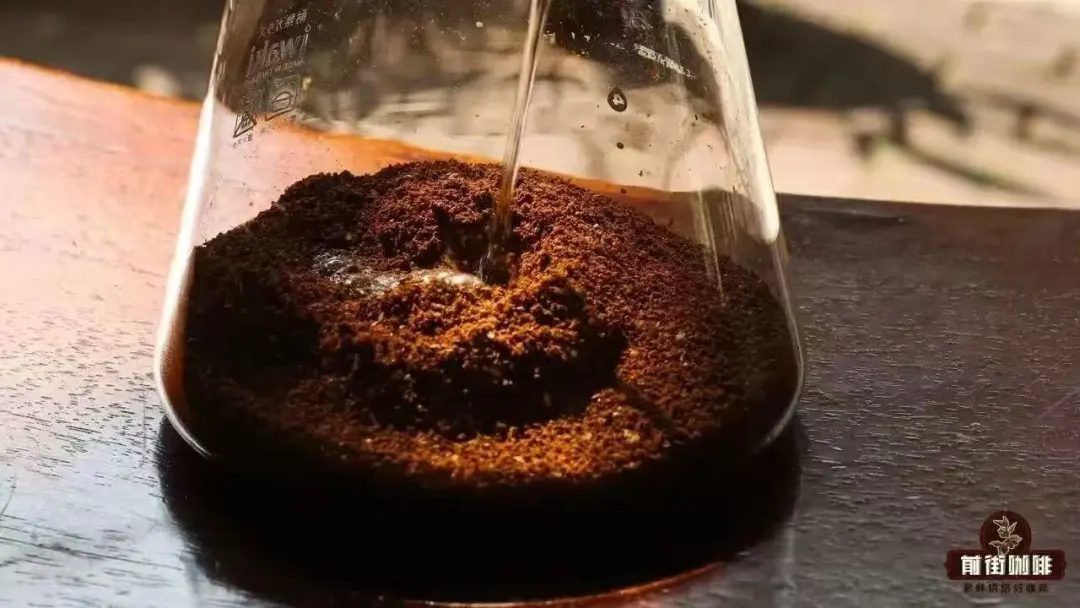
Solution 1: Adjust grind coarseness to be closer to pour over level
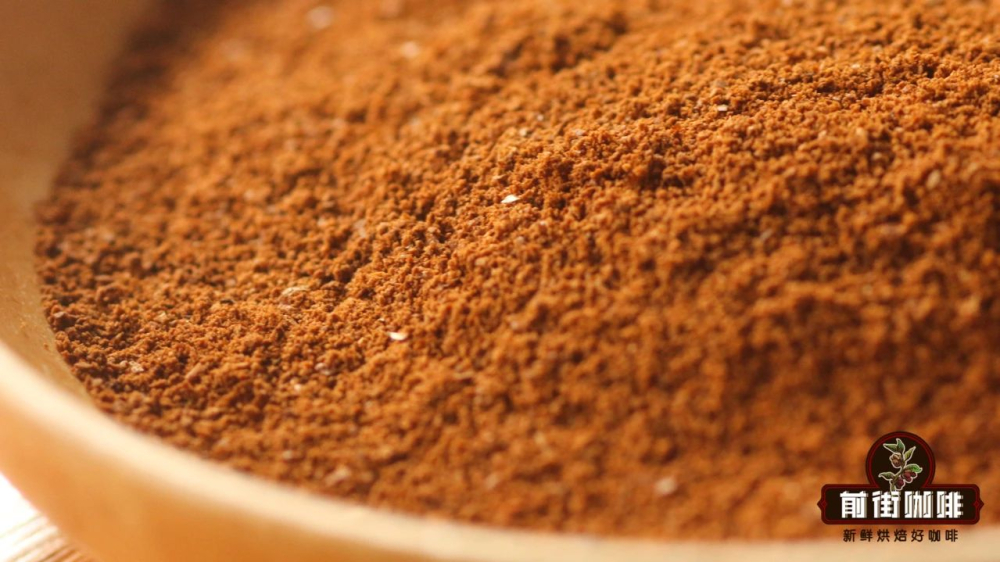
If you grind your own beans, the most straightforward approach is to make the grind slightly coarser. Many assume that because cold brew uses cold water, a finer grind is needed to enhance extraction — but that’s not the case. Cold brew is more akin to prolonged steeping, and an overly fine grind can cause fines to clump, reducing extraction efficiency. In fact, you can use a grind similar to that for pour over, such as around 75%–80% passing through a #20 sieve — roughly the coarseness of fine sugar. A recommended coffee-to-water ratio is 1:10, with an 8–12 hour steeping time in the fridge.
This parameter combination effectively highlights the coffee’s sweetness and fruity notes while avoiding the bitterness from over-extraction. Even for beans with prominent floral and fruity profiles, such as Strawberry Candy or Huakui, this grind size can showcase rich layers, with a smooth mouthfeel and clean aftertaste.
If you’re using medium to dark roasted or full-bodied beans, such as Golden Mandheling or Queen Estate, it’s advisable to go slightly coarser than the standard pour over grind to prevent excessive fines from settling and clumping, thereby ensuring stable extraction.
Solution 2: Use tea bags to prevent clumping
If you’re using pre-ground coffee from a shop and can’t adjust the grind size yourself, using tea bags is an ideal alternative. By placing the coffee grounds in a tea bag and steeping them in cold water, you can effectively prevent powder sedimentation and clumping, maintaining a stable extraction environment. Tests have shown that this method significantly improves extraction rates, and afterward, you only need to remove the tea bag — no extra filtering required. It’s time-saving and convenient.
This method is especially suitable for busy individuals or those who prefer not to deal with residue, yet can still bring out clear fruit tones and a rich body — a smart choice for home cold brew.
Solution 3: Timed stirring to enhance water-to-ground contact
If you can’t adjust the grind and don’t have tea bags on hand, timed stirring is your backup plan. Though a bit more troublesome than the first two methods, gently stirring every few hours during the steeping process helps break up clumped coffee grounds, allowing water to evenly penetrate again and improving overall extraction efficiency. Just note that after sitting for a while, the coffee grounds will settle again, so multiple stirrings are needed to ensure consistent extraction.
For those prioritizing convenience, consider dividing the coffee into several smaller containers, each with an appropriate coffee-to-water ratio. This also reduces the chance of clumping and improves overall extraction uniformity.
Choose the right coffee beans to elevate your cold brew
Beyond technical details, selecting the right beans for cold brew is key. For beginners, we recommend cost-effective and flavor-balanced options like Huakui or Fruit Ding Ding. These beans typically exhibit distinct floral and fruity notes, suiting most palates. If you prefer intense fruitiness and wine-like characteristics, opt for beans processed via honey or anaerobic fermentation, such as Strawberry Candy or Blackberry series — long steeping times can further highlight complex layers of tropical fruit and subtle fermented notes.
For those who dislike acidity, consider full-bodied, low-acid beans like Golden Mandheling or Queen Estate. These often present nutty, chocolatey, and rich body flavors in cold brew, perfect for drinkers who favor a more mellow style.
The above content is compiled by CoffeeHunters, a coffee news website.


