







Category: Coffee Knowledge
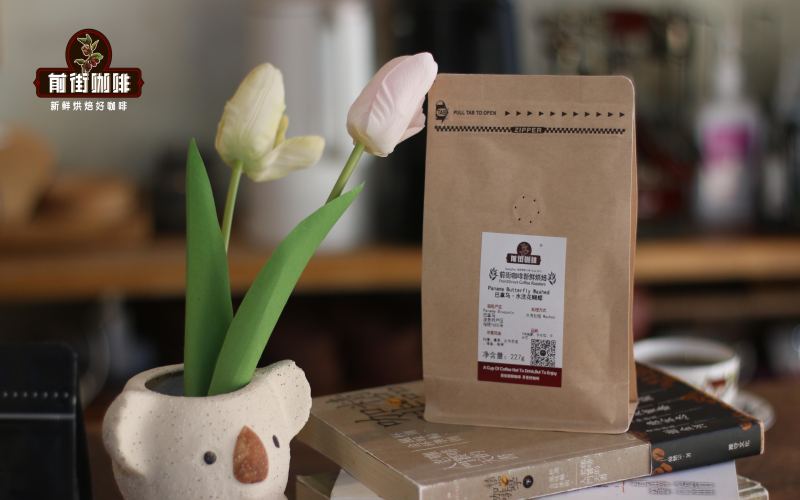
Panama Geisha Butterfly Coffee Beans: Volcanic Region Geisha Hybrid Pour Over Parameters and Flavor Analysis
Nestled at the foot of the Barú Volcano in Panama’s Boquete region, there is a premium coffee bean that blends three varieties—Geisha, Caturra, and Catuai—known as the Geisha Butterfly. With 40% Geisha lineage, it delivers pronounced floral and fruity notes. Combined with washed processing and a medium-light roast, it showcases delicate acidity and honey-like sweetness. This article delves into its microclimate, varietal composition, washed processing method, and provides practical V60 pour over parameters along with a three-stage extraction technique to help you master brewing this high-value volcanic bean. [more…]
Analysis of Panama Boquete Geisha Butterflies Coffee Beans: Geisha Heritage and High-Value Brewing Parameters
An in-depth exploration of the popular Panama Boquete coffee bean — the Geisha Butterfly. Discover how it achieves an exquisite flavor profile of delicate floral notes and a balanced acidity-sweetness through its Geisha lineage and diverse varietal blend. This article covers everything from the growing region, varietal characteristics, processing methods to practical pour over recommendations, helping you master the key brewing elements of this high性价比 specialty bean. [more…]

Tasting Notes on Indonesian West Java Amanie Coffee Beans: The Fruity Secrets of S795 Variety with Honey Sun-Dried Processing
Indonesian coffee often leaves a strong impression of rich herbal and spicy notes, but this Amanie coffee bean from Mount Tigaras in West Java, cultivated at an altitude of 1400–1600 meters, stands out. With the S795 variety and honey sun-dried processing, it showcases a completely different profile of tropical fruit acidity and sweetness, along with a wine-like, full-bodied aftertaste. This article provides a complete breakdown—from regional terroir, varietal background, processing method, roasting strategy, to pour over parameters—of this premium bean with outstanding sweetness and complex layers, helping you deeply appreciate its unique charm. [more…]
Decoding the Flavors of Tanzanian Volcanic Soil Peaberry Beans & Tasting Renowned Growing Regions
Tanzanian coffee is renowned for its volcanic soil at the foot of Mount Kilimanjaro, and its peaberry beans possess unique flavors and a distinctive market position. This article takes you on an in-depth exploration of the characteristics of major growing regions such as Arusha and Ngorongoro, analyzes the factors behind the flavor profile and challenges of Tanzanian peaberry beans, and examines how local smallholder farms maintain quality through traditional methods. Readers will gain a comprehensive understanding ranging from regional topography and processing methods to current market conditions, helping you select and appreciate Tanzanian coffee more precisely. [more…]
A Comprehensive Guide to the Flavor Profile of Ethiopian Yirgacheffe Gedeb Kabeito Coffee & the Red Cherry Project
This article delves into the Kabeito smallholder coffee cooperative from the Gedeb district in Ethiopia’s Yirgacheffe region, analyzing the unique flavor characteristics of its coffee beans. It also introduces how the Red Cherry Project, initiated by the Dutch company Trabocca, enhances the area’s coffee quality through technical support and rigorous quality control. Readers will learn about the processing features of the region’s coffee, tasting highlights, and how to choose the optimal roasting method to bring out its berry and wine-like layers. [more…]
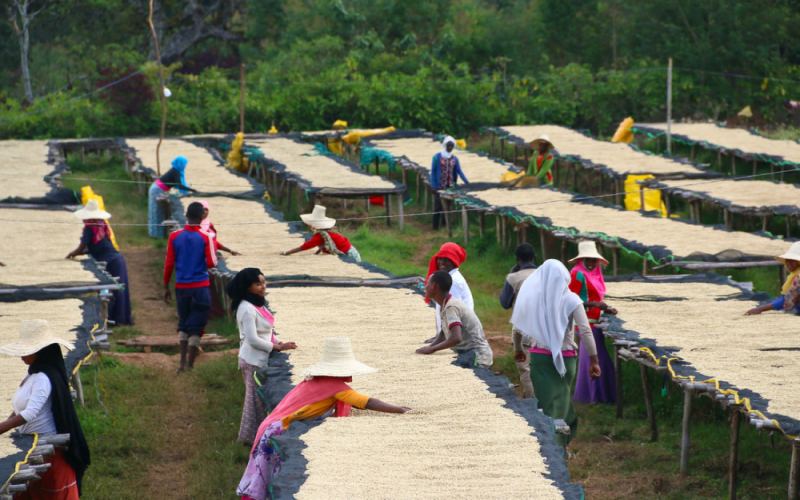
A Complete Guide to the Washed Processing Method: Key Steps from Harvest to Drying and Its Flavor Characteristics
The washed processing method is an extremely important technique in specialty coffee production. Through a series of meticulous steps, it removes the fruit pulp and impurities while preserving the original flavors of the coffee beans. This article details each stage—from harvesting, floatation, fermentation to drying—and analyzes how washed beans achieve a clean, bright acidity and clear aromas. It also shares practical processing details and common precautions to help readers better understand the unique charm of washed coffee. [more…]

Why is Geisha coffee so expensive? Understand everything from origin, grade to beginner options
Geisha coffee is renowned for its unique floral and citrus notes, yet its high price often makes people hesitate. This article delves into the variety traits, growing conditions, and market supply and demand behind Geisha’s premium pricing, and recommends various grades and processing methods of Geisha coffee—from entry-level Green Label and Blue Label to high-value blends—to help readers find their own Geisha experience within their budget. [more…]

Comparison of Panamanian and Ethiopian Geisha Flavors | A Comprehensive Guide to Pour Over Parameters and Regional Characteristics
Geisha coffee is renowned for its unique floral aromas, citrus notes, and silky smooth mouthfeel, making it a star variety in the specialty coffee world. This article delves into the origins of Geisha, from its wild Ethiopian ancestors to the rise of Panama’s Hacienda Esmeralda, and compares the flavor differences between the Boquete and Geisha Village regions. It also provides detailed pour over parameters and a three-stage extraction technique to help you fully showcase Geisha’s complexity and aroma. [more…]
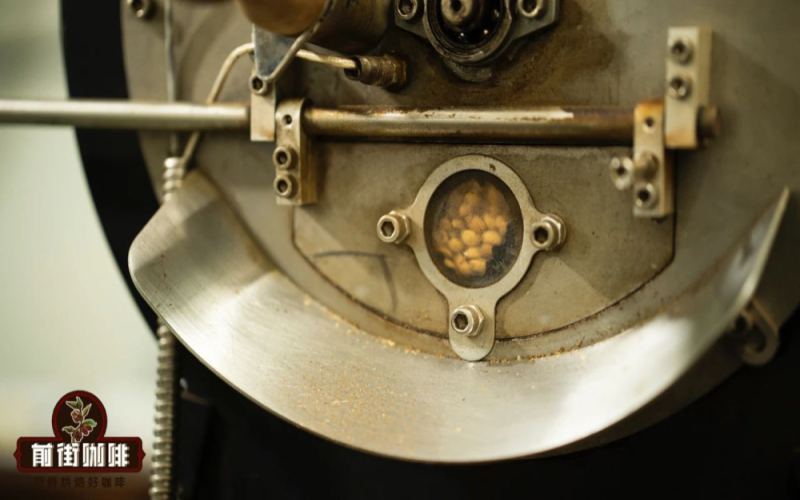
A Complete Guide to the Physical Changes in Coffee Beans During Roasting: The Secrets of Color, Porosity, and Oils
Coffee roasting is not just about heating—it’s a comprehensive transformation of the internal structure and composition of the beans. As they change from their pale bluish-green raw state to deep brown roasted beans, there are significant shifts in color, moisture content, cell structure, pore distribution, and oil migration. Understanding these physical changes not only helps readers grasp the connection between roast profiles and flavor development but also allows for a deeper insight into the science behind every cup of coffee. [more…]
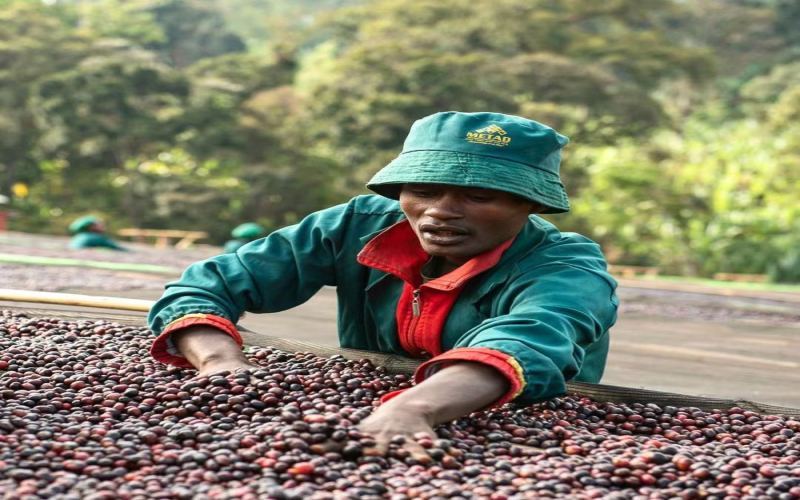
How to Brew Yirgacheffe Worka Cooperative Coffee? A Comprehensive Guide to Anaerobic Natural Processing and Heirloom Variety Flavors
Yirgacheffe Worka Cooperative coffee is renowned for its anaerobic natural processing method, showcasing unique tropical fruit aromas such as strawberry, magnolia, and small Taiwanese mango. This article delves into its origin background, organic certification, and farmer collaboration model, while also exploring the origins of Ethiopia’s Heirloom native variety and how anaerobic fermentation influences flavor. It takes you on a comprehensive journey from cultivation to brewing of this popular specialty coffee. [more…]
Yirgacheffe Worka Cooperative Anaerobic Natural Coffee: Flavor Profile & Brewing Recommendations
This anaerobic natural-processed coffee from Yirgacheffe Worka Cooperative is renowned for its distinctive aroma of strawberries, magnolia, and small Taiwanese mangoes. This article delves into its regional background, the characteristics of the Heirloom heirloom variety, and how anaerobic fermentation influences its flavor expression, while also providing practical brewing insights to help you better understand the unique qualities of this premium Ethiopian coffee. [more…]
Peru Coffee Region Flavor Guide: Selection and Pour Over Recommendations from Cusco to Chanchamayo
Peruvian coffee has gradually entered the international specialty market in recent years, winning the favor of pour over enthusiasts with its delicate aromas and gentle acidity. This article delves into the terroir characteristics of major Peruvian regions such as Cusco and Chanchamayo, explores the impact of organic farming on flavor, and provides practical tasting tips and purchasing advice to help readers grasp the unique charm of this South American gem. [more…]

Tanzania Kilimanjaro Coffee Flavor Profile: A Comprehensive Guide to Varieties, Processing, and Brewing Tips
Although Tanzania is not the most well-known African coffee-producing region, its Kilimanjaro coffee has won the favor of many coffee enthusiasts with its rich and balanced flavor. This article will delve into the natural conditions of the Kilimanjaro region, the main coffee varieties grown, and the washed processing method. It will also analyze its typical flavor profile and provide expert advice on roasting and pour-over brewing to help you gain a more comprehensive understanding of this elegant East African specialty coffee. [more…]
The Complete Guide to Tanzanian Coffee: Kilimanjaro Region, Grading & Washed Processing Techniques
Although Tanzanian coffee may not be as well-known as Ethiopian or Kenyan beans, its distinctive Kilimanjaro flavor profile and high-altitude cultivation conditions produce premium beans that balance richness with brightness. This guide delves into Tanzania’s major coffee-growing regions, bean variety characteristics, washed processing methods, along with a detailed grading system and roasting recommendations—helping you master the brewing secrets of this East African gem. [more…]

The Ultimate Guide to Panamanian Geisha Coffee: From Boquete Region Flavors to Flat White Brewing Techniques
Want to know why Panamanian Geisha coffee has risen from obscurity to become one of the world’s top-tier coffees? This article takes you on a journey through the unique environment of the Boquete Valley in Chiriquí Province, analyzing how Geisha captivates coffee lovers with its floral and fruity aromas and delicate sweet-and-acidic flavors. From an introduction to the producing region and variety characteristics, to practical flat white brewing steps and parameters, this guide helps you gain an in-depth understanding of this shining jewel in the coffee world. [more…]

In-depth Analysis of Colombian Huila Coffee Beans: Flavor Characteristics and Washed Processing Beginner's Guide
An in-depth exploration of how the Colombian Huila region produces specialty coffee beans with balanced flavors and rich layers. This article starts with the historical background, introduces you to Huila’s geographical advantages and growing conditions, analyzes the impact of washed processing on flavor, and finally provides detailed parameters and brewing recommendations for a well-known brand’s washed Huila everyday coffee beans. It is a comprehensive guide to understanding this classic coffee. [more…]

Decoding the Flavors of Indonesian Sumatra Mandheling Coffee & A Complete Guide to Pour Over with Wet-Hulled Processing
Sumatra Mandheling is renowned for its rich, bold woody notes and unique spicy flavors, the secrets of which lie in the region’s distinctive wet-hulled processing method. This article delves into the natural conditions and cultivation background of Sumatra’s two major producing regions—Lintong and Aceh—and introduces the rigorous selection process of PWN’s Golden Mandheling. It also provides a detailed breakdown of pour over parameters using the KONO dripper with a three-stage pouring technique, allowing you to easily brew classic Mandheling at home with its signature aromas of dark chocolate, caramel, and hazelnuts. [more…]
Complete Guide to the Jamaica Blue Mountain Coffee Region | Flavor Profile & Buying Guide for the Clifton Estate Beans
Jamaica Blue Mountain coffee is hailed as the benchmark of specialty coffee worldwide. Its smooth, rich body and well-balanced acidity and bitterness have captivated countless coffee enthusiasts. This article not only explores the history and origins of Blue Mountain coffee, its three core growing regions, but also delves into the government-regulated quality certification system, as well as the unique geographical advantages and flavor profile of the Clifton Estate. By the end of this read, you’ll better understand how to identify genuine Blue Mountain beans and find the right entry-level option for yourself. [more…]
Where does Americano come from? Understand concentration, preparation methods, and styles all in one go
Americano is one of the most widely consumed coffee drinks in the world, but its origin is actually closely related to the habits of U.S. soldiers during wartime. This article explains the origins of Americano, its standard brewing recipe and varying strength preferences across countries, and compares it with the differences of a Long Black, helping you better understand this casual yet immensely popular black coffee. [more…]

Pour Over Coffee Beginner's Guide: Origins, Brewer Evolution, and Three-Stage Brewing Techniques
As one of the mainstream brewing methods in specialty coffee, pour over coffee traces its history back to the ingenious invention of German housewife Melitta Benz in 1908. This guide not only delves into the origins of pour over coffee and the evolution of filter cones, but also thoroughly breaks down the key steps of the three-stage brewing process—from the bloom to awaken the beans, to the main extraction, and finally to the finishing blend. It offers a comprehensive analysis of the parameter settings that influence flavor. Additionally, it provides bean variety recommendations tailored to coffee enthusiasts with different flavor preferences. [more…]