







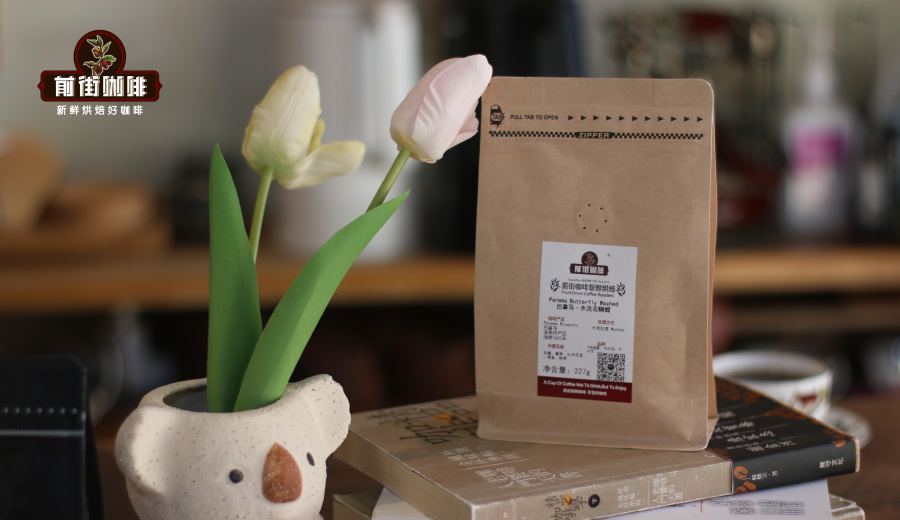
Introduction:Delve into the popular Panamanian Boquete coffee bean — Flower Butterfly — and discover how its Geisha lineage and diverse varietal blend create an exquisite flavor profile of delicate floral notes and a balanced sweet-and-sour taste. This article covers everything from the growing region, varietal characteristics, processing methods to practical pour over tips, helping you master the key brewing elements of this high-value specialty bean.
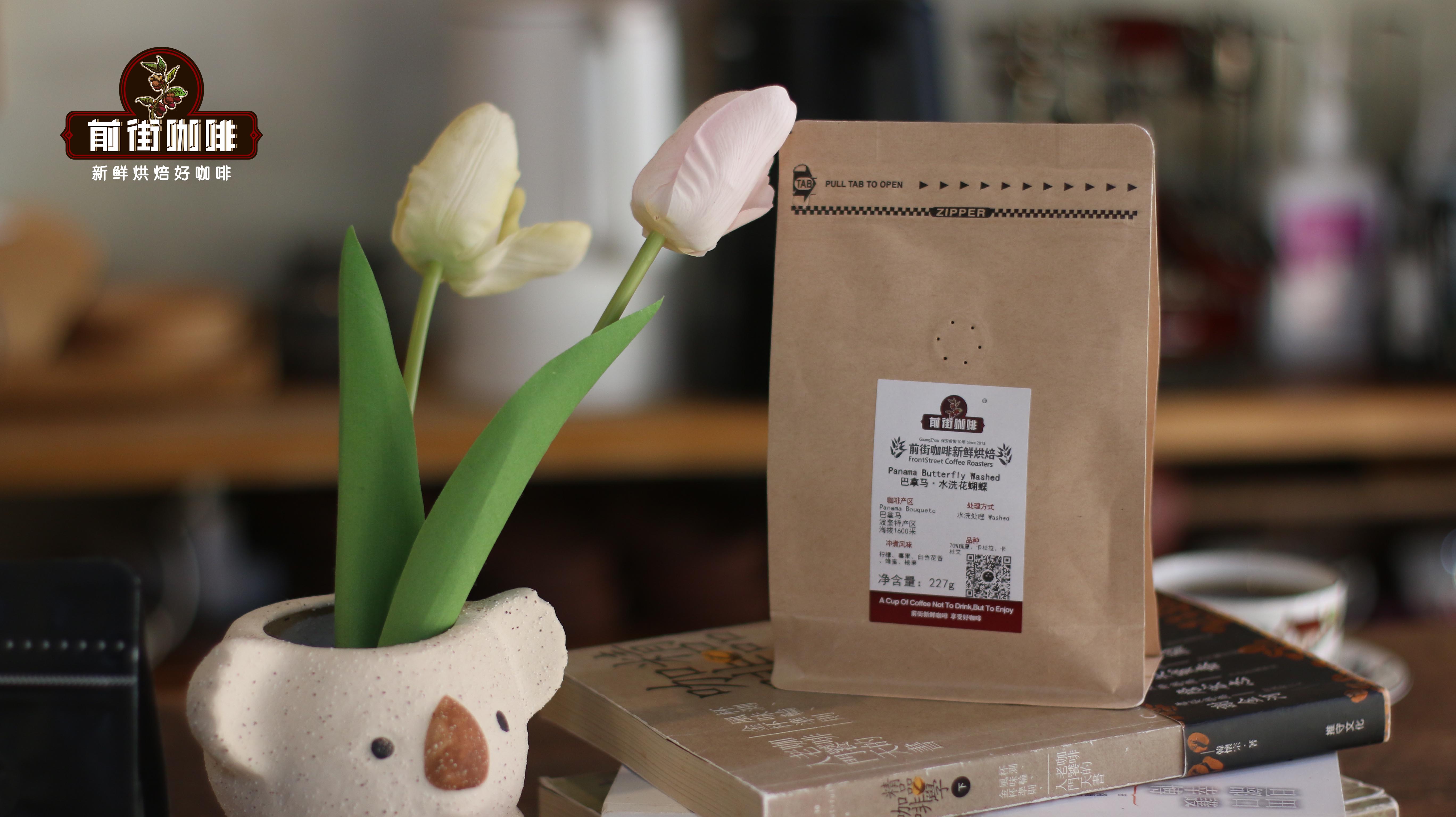
In Panama’s Boquete, a coffee-growing haven famed for its Geisha beans, amidst the high-end market’s premium offerings lies a specialty choice that balances quality with an accessible price — the Flower Butterfly coffee bean. Sourced from the highlands of Boquete, this coffee skillfully combines three major varietals: Geisha, Caturra, and Catuai. With Geisha making up about 40% of its genetic makeup, it delivers enchanting jasmine aromas, bright citrus acidity, and a honey-like sweet finish.
As a rising star in Central America’s coffee scene, Panama’s international fame largely stems from the Geisha variety cultivated at Hacienda La Esmeralda. This varietal has redefined the standards of specialty coffee with its delicate floral notes and complex fruit tones. The Boquete region, where Geisha was first nurtured, is located in western Panama near the Costa Rican border, adjacent to the active Barú Volcano. The fertile volcanic soil, combined with the high-altitude environment featuring significant day-night temperature variations, provides ideal growing conditions for coffee trees.
Boquete is not only home to Hacienda La Esmeralda but also hosts other renowned estates such as Elida and Acatenango. The microclimatic diversity here arises from cold air convergence guided by the central mountain range and elevations above 6,500 feet. Variable weather and volcanic ash nutrients endow the coffees of this region with generally bright acidity, rich complexity, and unique terroir-driven flavors.
What makes Flower Butterfly unique is its origin in an interesting planting history. In the early days, the estate planted Geisha alongside Caturra and Catuai in the same area to boost yield. To simplify harvesting, farmers did not separate the varietals but processed them together directly. As Geisha gained global recognition, this “hybrid” bean gradually attracted attention. Processors then began adopting more refined techniques to highlight its potential.
Currently, Flower Butterfly is mainly available in either natural (sun-dried) or washed processes. Among these, the washed version, with its clean and bright flavor profile, has become a favorite among many coffee enthusiasts. During processing, coffee cherries undergo strict selection to remove unripe and defective beans, followed by steps including pulping, fermentation, washing, and drying to fully express the varietal characteristics. The unique microclimate of Boquete — including abundant rainfall, significant day-night temperature differences, and mineral-rich volcanic soil — further enhances the flavor expression of Flower Butterfly.
The varietal composition of this coffee is thoughtfully crafted: within a 70% base, Geisha accounts for 40%, paired with Caturra and Catuai. This ratio retains the signature elegant floral notes and complex fruit tones of Geisha, while leveraging the stable yield of Caturra and the disease resistance of Catuai to produce a balanced and layered taste. Typical flavor notes include fresh tea-like aromas, soft honey sweetness, and vibrant acidity from berries and lemon, with a long finish carrying hints of white flowers.
From a brewing perspective, medium-light roasting is key to unlocking Flower Butterfly’s potential. This roast level preserves the beans’ inherent hardness while highlighting bright acidity and aromatic complexity. Practical testing recommends using a V60 dripper, with a water temperature of 91–92°C, and a coffee-to-water ratio of 1:15 to 1:16 (e.g., 15g coffee to 225–240ml water). Grind size can be reference to that of fine sugar, roughly 80% passing through a #20 sieve, ensuring moderate extraction resistance.
For specific brewing steps, a three-stage pour is recommended: start with a 30-second bloom using 30g of water to help degas the coffee grounds and ensure even pre-wetting; then pour 95g of hot water, observing when the coffee bed descends halfway; finally, add another 100g of water until the dripping finishes. Maintain a slow, steady stream and pour in small circles centered on the grounds to promote even extraction and avoid over-extraction. The final cup should showcase pronounced citrus notes, silky honey sweetness, and lingering aromas of jasmine and berries.
For those trying Flower Butterfly for the first time, keep the following details in mind: First, use freshly roasted beans (ideally within 7–21 days post-roast) and store them properly in an airtight container with a one-way valve. Second, preheating your brewer before pouring helps maintain stable extraction temperatures. Lastly, if you prefer a stronger flavor, you may slightly adjust the grind to a bit coarser (e.g., reduce fineness by 10–15%) or reduce the total coffee dose to control overall intensity.
The above content is compiled by CoffeeHunters, a coffee news website.


