







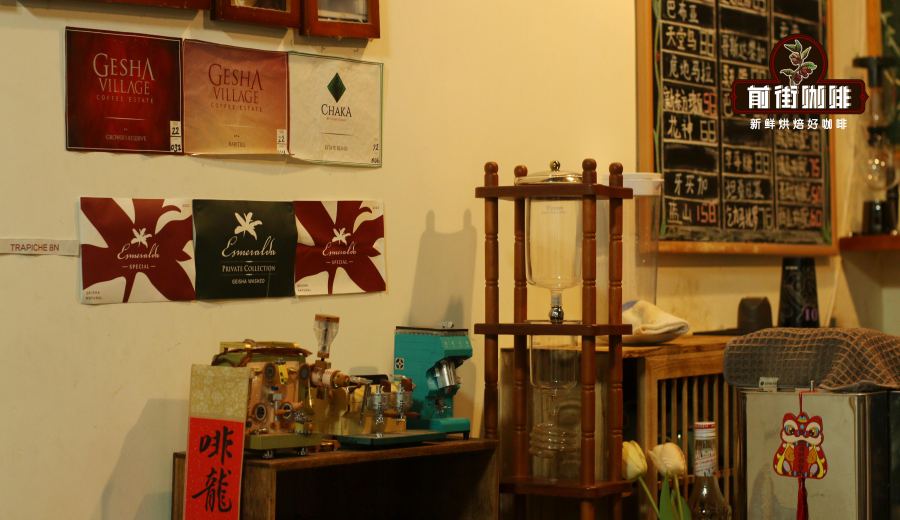
Introduction:Geisha coffee is renowned for its distinctive floral aroma, citrusy notes, and silky mouthfeel, making it a star variety in the specialty coffee world. This article delves into the origins of Geisha, from its wild Ethiopian roots to the rise of Panama's Hacienda Esmeralda, and compares flavor profiles between the two major producing regions: Boquete and Gesha Village. It also provides detailed pour over parameters and a three-stage extraction technique to help you fully showcase Geisha’s complexity and aroma.
Geisha (Geisha) coffee is a highly acclaimed variety in the specialty coffee market, celebrated for its delicate floral notes, bright citrus and peach acidity, rich body, and a sweet aftertaste reminiscent of oolong tea. This coffee is not only uniquely flavorful but also rare due to its demanding cultivation conditions at high altitudes, making it a dream bean for coffee enthusiasts. This article will start with the origins of Geisha, taking you through its journey from the wild forests of Ethiopia to Panama’s top-tier competitions, while comparing the flavor characteristics of two representative regions—Panama’s Boquete and Ethiopia’s Gesha Village. Finally, it offers practical pour over recommendations and parameters so you can brew a professional-grade Geisha experience at home.
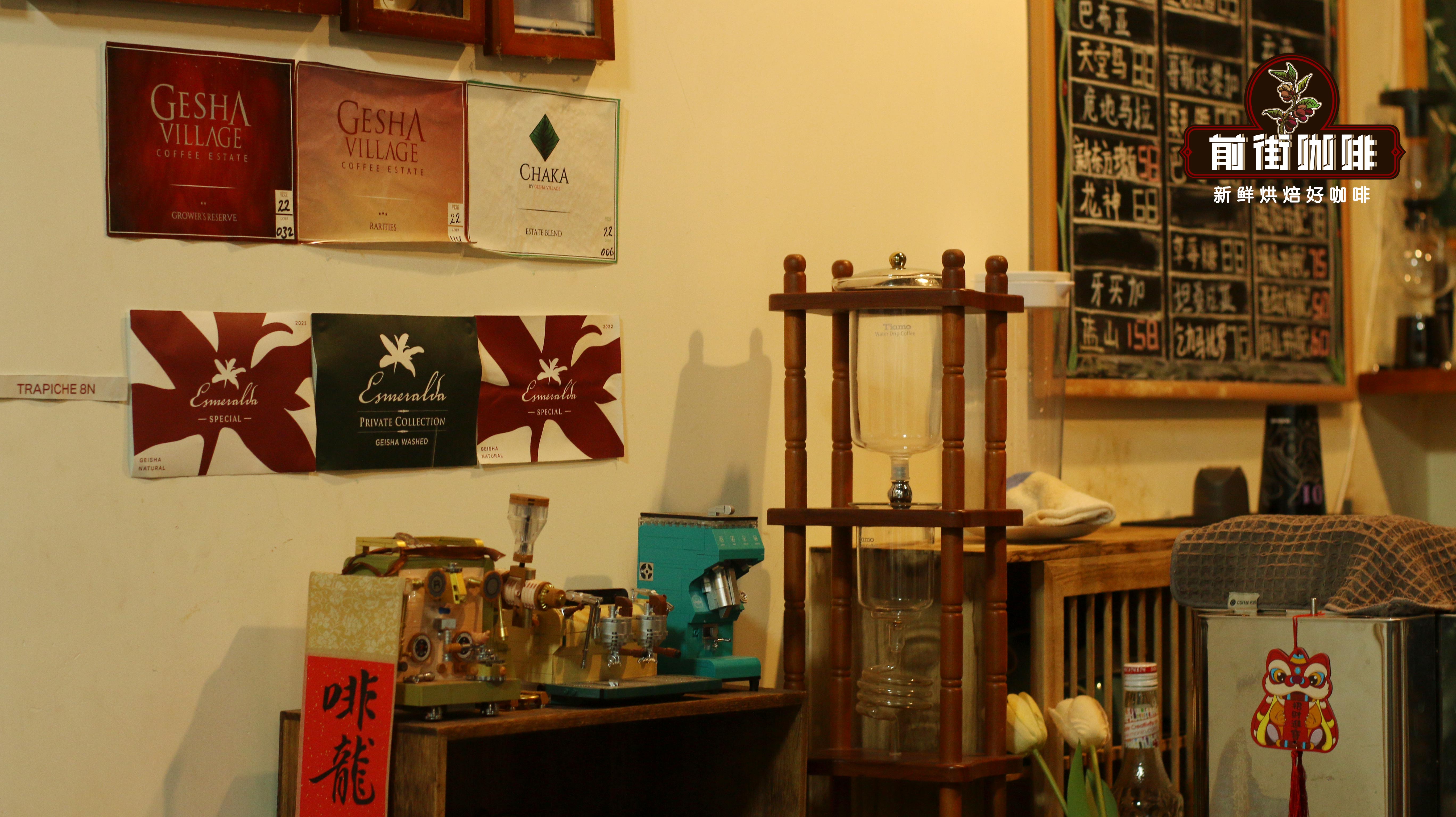 The history of Geisha dates back to the early 20th century when the coffee plant was first discovered in the wild forests near the Geisha Mountains in southwestern Ethiopia. Local farmers collected it while searching for disease-resistant varieties, and the name "Geisha" originates from this discovery. In 1954, the variety was introduced to Costa Rica under the designation T2722. However, due to its demanding growing conditions, low yield, and fragile plants, it did not gain attention at the time. It wasn’t until 2003 that the Peterson family of Panama’s Hacienda Esmeralda rediscovered the potential of this variety. The following year, it won first place in the “Best of Panama” competition, propelling Geisha onto the international stage.
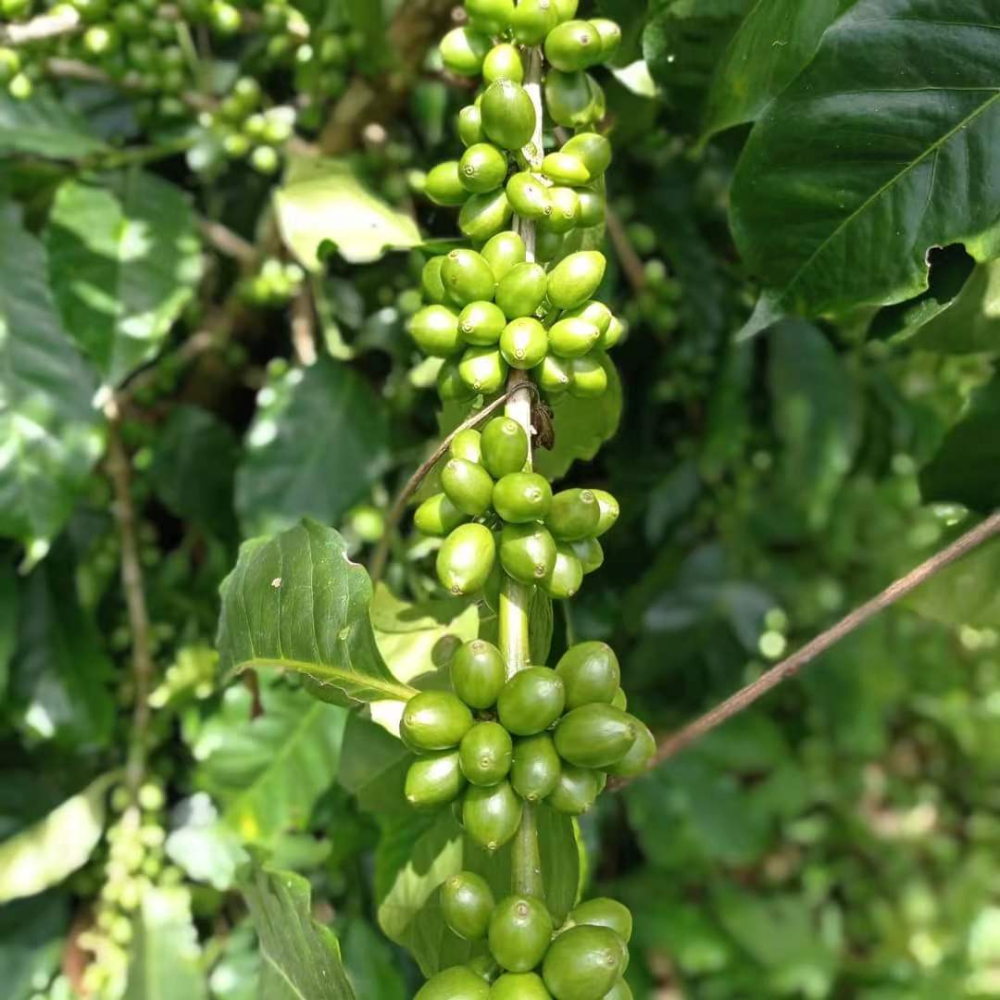
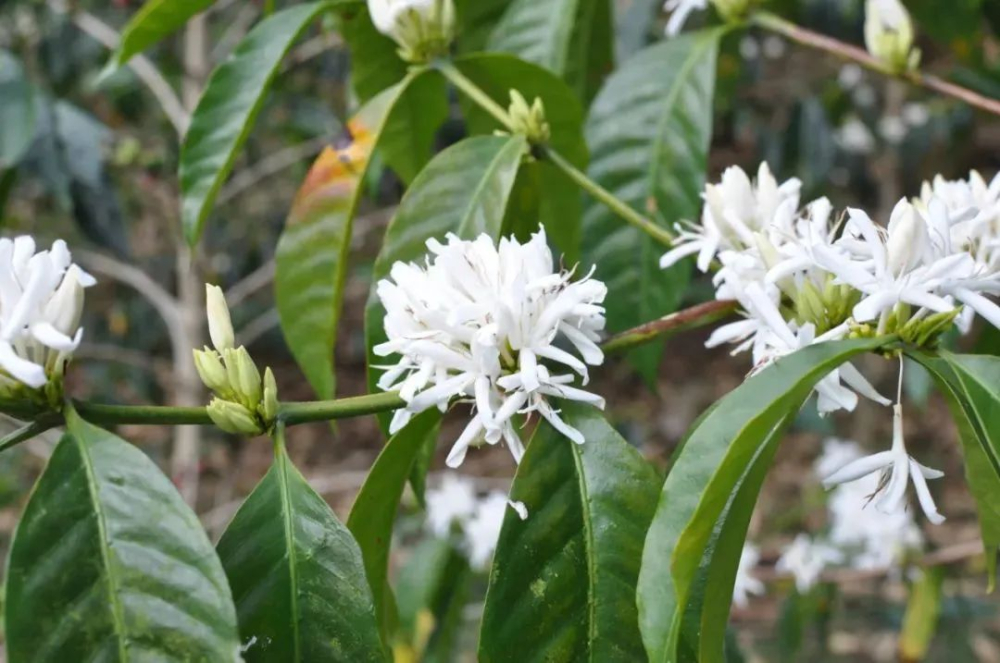
Geisha is extremely particular about its environment, requiring cultivation at high altitudes (typically above 1600 meters), nutrient-rich soil, and protection from direct sunlight via cloud cover or shade trees. According to Hacienda Esmeralda, maintaining healthy Geisha growth requires planting a large number of shade trees, and initial pruning must be done cautiously, as the plants can easily wither otherwise. Additionally, Geisha coffee plants have thinner leaves, lower photosynthesis efficiency, and less developed root systems that limit their water and nutrient uptake, resulting in yields per plant that are only half that of common Catuai varieties. This is one of the reasons for its high price.
 With Geisha’s success in Panama, more and more regions have begun cultivating the variety. However, due to differing terroirs, the flavors exhibited vary significantly. Currently, the two most representative regions are Boquete in Panama and Gesha Village in Ethiopia.
Boquete in Panama is located in the Chiriquí Province on the eastern side of the Barú Volcano, with elevations ranging from about 1000 to 2000 meters. Influenced by the warm, humid airflow of the Caribbean Sea and the cold currents of the Atlantic Ocean, it experiences significant day-night temperature variations. The steep terrain, abundant rainfall, and the presence of seven microclimates around the Volcán Barú National Park create an exceptionally favorable growing environment. The Geisha from Hacienda Esmeralda and Elida Estate come from this region. Local farms divide the Geisha-growing areas into three main blocks: Cañas Verdes, Jaramillo, and El Velo, with further subdivisions into multiple microlots to ensure traceability for each batch. Among these, the Jaramillo block, with an elevation exceeding 1650 meters and a cool climate, is considered the ideal environment for Geisha growth and is the primary source of Elida’s Red Label natural-processed beans, which exhibit intense aromas of rose, citrus, berries, and honey.
The Red Label Geisha coffee beans used by this shop are sourced from Hacienda Esmeralda in Boquete, Panama, and are processed using the natural method at elevations above 1700 meters. Its primary flavors include lemon, honey, berries, orange peel, mango, and a creamy mouthfeel, with a distinct citrus profile. It is well-suited for coffee lovers who enjoy fruity notes and a balanced acidity-sweetness profile.
 Turning to Geisha’s place of origin—Ethiopia—the cultivation of this variety is mostly concentrated at high altitudes of 1900 to 2000 meters. The higher elevation helps the coffee cherries accumulate richer sugars, resulting in different flavor profiles. Compared to the common citrus and berry notes found in Panamanian Geisha, Ethiopian Geisha often exhibits flavors of yellow peaches and apricots—yellow stone fruits—with a noticeable sweetness. Some batches even have a rich toffee-like finish.
Among them, the most representative Ethiopian Geisha comes from Gesha Village Estate, which has three distinct genetic lines: Gori Gesha, Gesha 1931, and Illubabor Forest. Although Gori Gesha and Gesha 1931 are genetically related to Panamanian Geisha, they are actually different varieties. Illubabor Forest, on the other hand, is a disease-resistant variety provided by the Ethiopian Institute of Agricultural Research. The estate employs a strict grading system, categorizing products into Auction, Gold, Red, Green, and CHAKA grades. The Red Grade accounts for about 15%, often scoring 88 points or higher in cupping tests, with rich flavor layers and excellent cost-performance. The natural Red Label Gesha Village coffee used by this shop comes from the Shewa-Jibabu plot in the Bench Maji Zone, at elevations between 1973 and 2069 meters, processed using the natural method. Its main flavors include lemon, plum, citrus, tropical fruits, and floral-tea notes, with bright and layered acidity.
For brewing Geisha coffee, given its floral and complex fruit-forward profile, it is recommended to use a medium-light roast to preserve its acidity and aroma, paired with a delicate extraction technique to highlight its layers. In practice, it is recommended to use a V60 filter cone with a water temperature of 91–92°C, a coffee-to-water ratio of 1:16, and a grind size similar to fine granulated sugar (about 80% through a #20 sieve). This setup helps improve extraction efficiency and accentuates the balance of acidity and sweetness.
Here are the common pour over parameters and three-stage extraction process for the Red Label Geisha used by this shop: Use 15 grams of coffee grounds. First, pour 30 grams of water for a 30-second bloom, using a small stream to circle from the center outward to ensure even saturation of the coffee bed. Then, pour 120 grams of water with a slightly larger stream, reaching a total of 150 grams at around 55 seconds, ensuring the water flow is vertical and even. Finally, pour 90 grams of water with a small stream, for a total of 240 grams, with an overall extraction time of approximately 2 minutes and 10 seconds. This method effectively enhances aroma expression and avoids over-extraction, making it ideal for those seeking a delicate flavor profile.
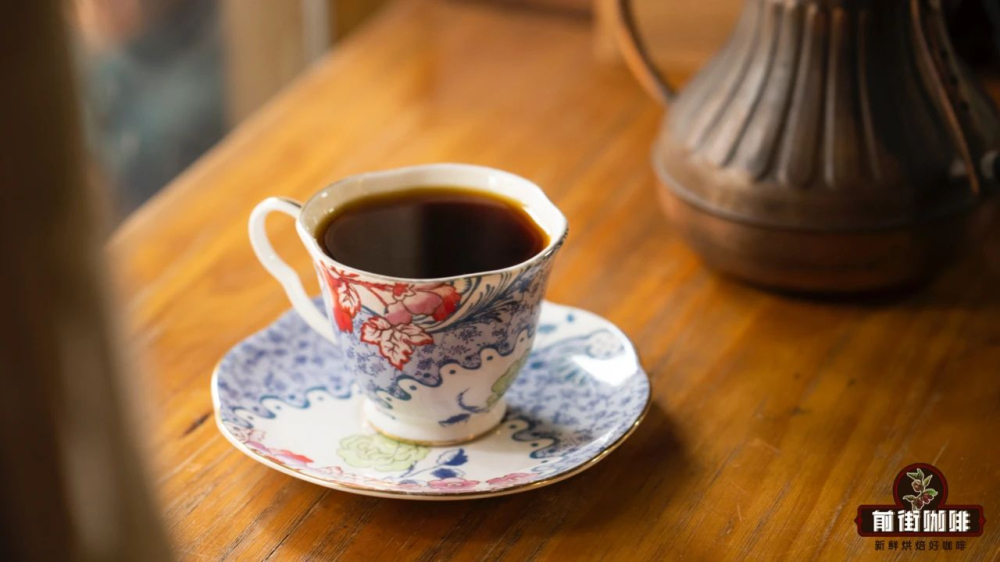
The brewed Red Label Geisha offers a fresh cup with notes of jasmine, citrus, and tropical fruit acidity. As the temperature cools, the layers gradually unfold, with a tea-like sweetness lingering in the aftertaste. The Gesha Village Red Label, on the other hand, showcases more tropical fruit, bergamot, and citrus tones, with a creamy sweetness and subtle fermentation notes in the mid-palate. As the cup cools slightly, the jasmine floral notes become even more pronounced, making the overall flavor profile unique and unforgettable.
The above content is compiled by CoffeeHunters, a coffee news website.


