







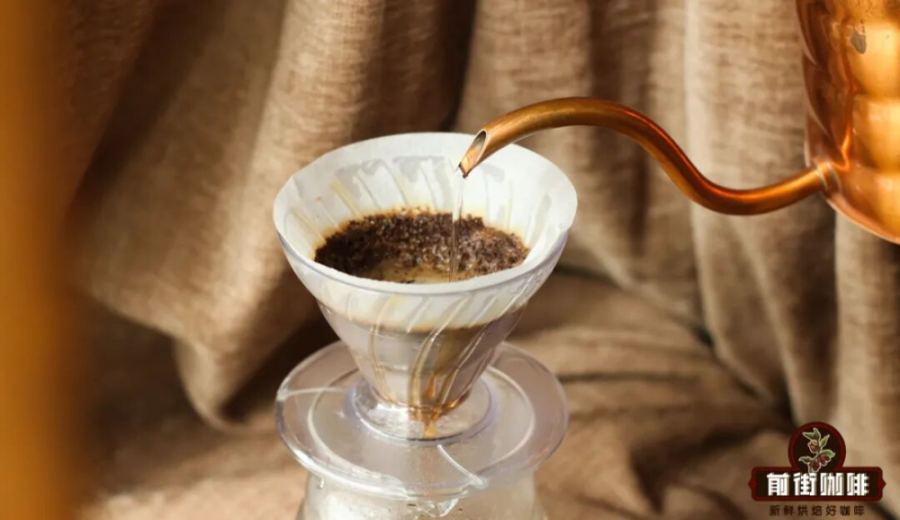
Introduction:As one of the mainstream brewing methods in specialty coffee, pour over coffee traces its history back to the ingenious invention of German housewife Melitta Bentz in 1908. This article not only delves into the origins of pour over coffee and the evolution of its filters, but also thoroughly breaks down the key steps of the three-stage brewing process—from the bloom to awaken the beans, to the main extraction, and finally to the finish blending. It comprehensively analyzes the parameter settings that influence flavor. At the same time, it offers bean variety recommendations and practical brewing parameters tailored to coffee lovers with different flavor preferences, helping you easily brew a clean, full-bodied, and multi-layered cup of pour over coffee at home.
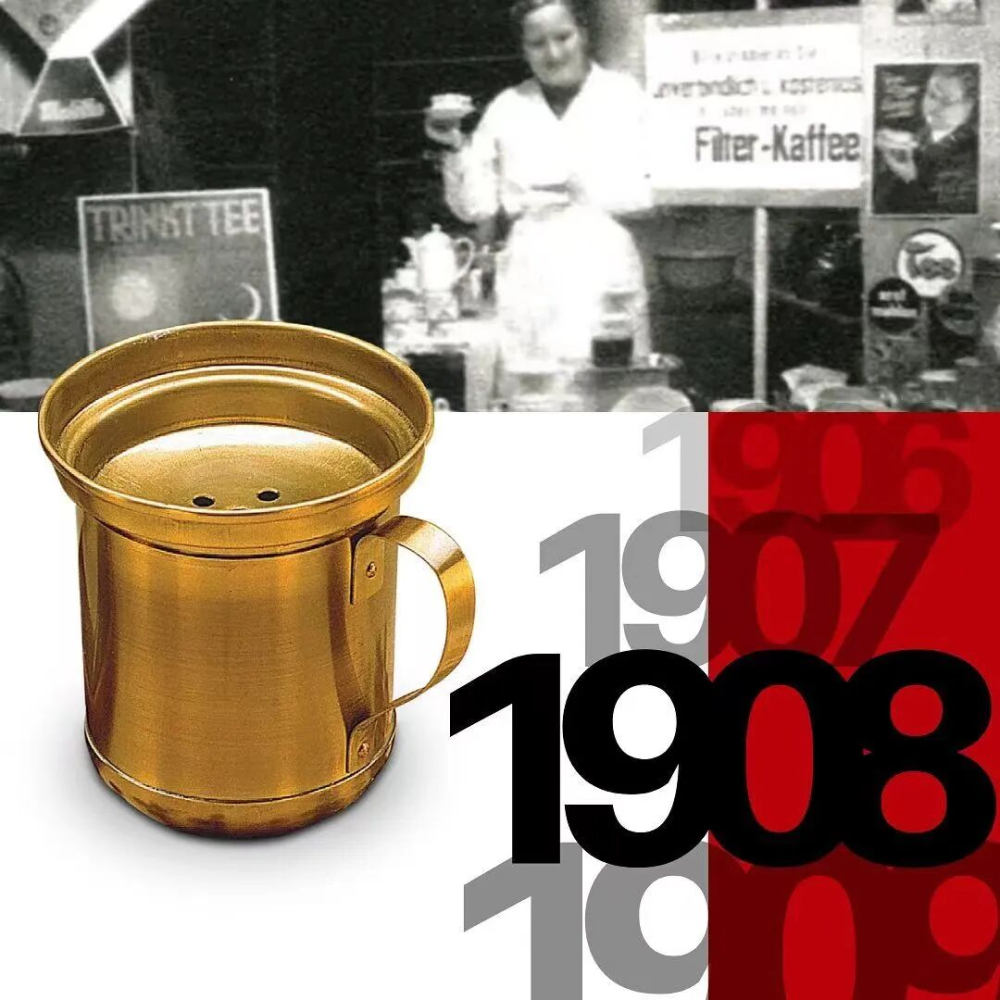
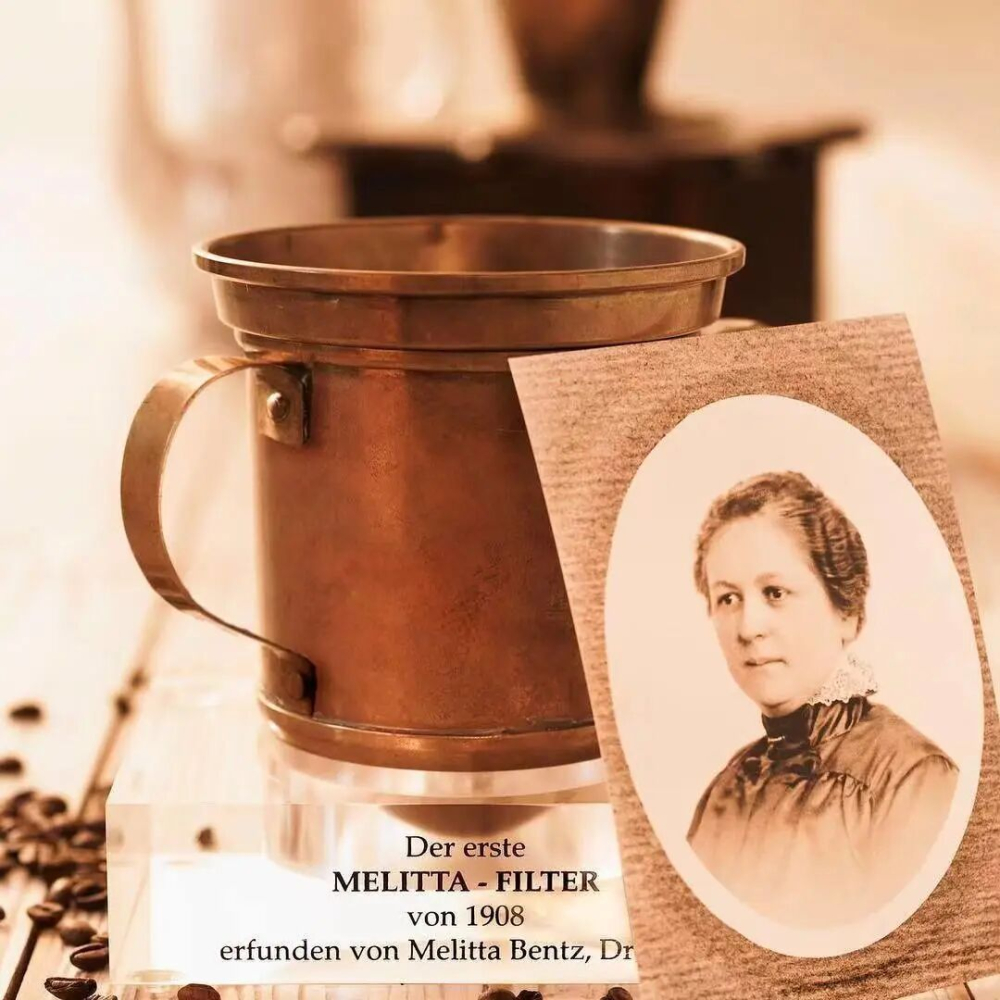
Pour over coffee has now become a highly acclaimed brewing method in the specialty coffee realm, but its origin stems from the everyday ingenuity of a German housewife. In 1908, dissatisfied with the residual coffee grounds and bitter taste left by traditional filtration methods, Melitta Bentz experimented with a perforated copper canister and blotting paper to create a filtering device—placing ground coffee in a copper can lined with blotting paper and pouring hot water over it. The result was clear, impurity-free coffee slowly dripping through. This innovation not only solved the residue issue but also fully preserved the coffee's aroma, all while being low-cost and easy to use, thereby transforming people's coffee drinking experience.
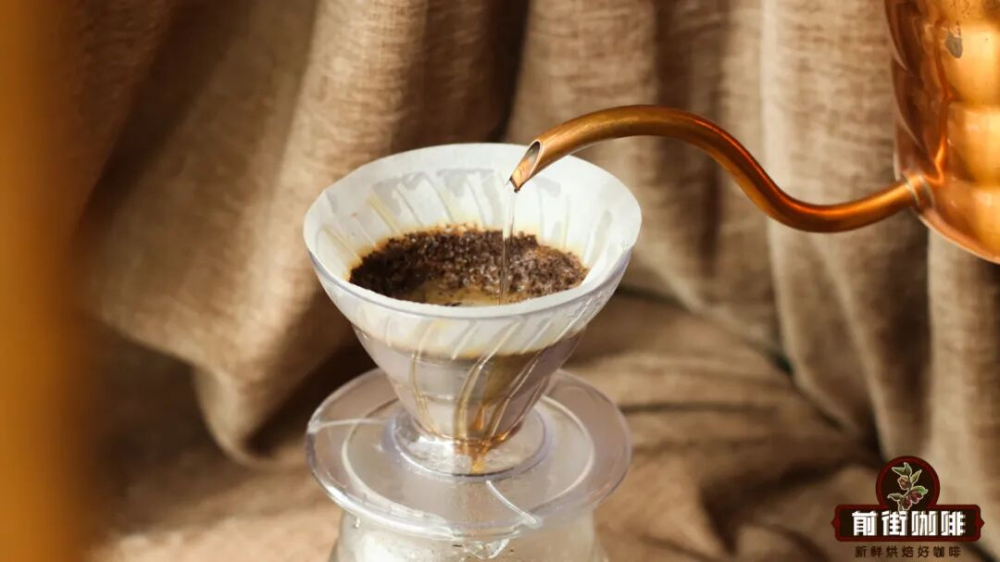
Before Melitta’s invention, coffee preparation in most parts of the world was rather crude: coffee beans were ground and directly boiled in a kettle, then simply filtered through cloth or metal mesh. Due to the technological limitations of the time, the filter pores were difficult to make fine enough, and even after filtering, coffee liquid often still contained fine residues. It wasn’t until the advent of Melitta’s copper canister and paper filter combination that truly pure coffee liquid and enhanced flavors were achieved.
In June 1908, Melitta applied for a German imperial patent for her invention—a copper filter with an arched bottom and drainage holes, to be used with blotting paper. This is considered the prototype of the world’s first drip-style coffee filter. In the same year, she founded the Melitta company and brought this revolutionary tool to market.
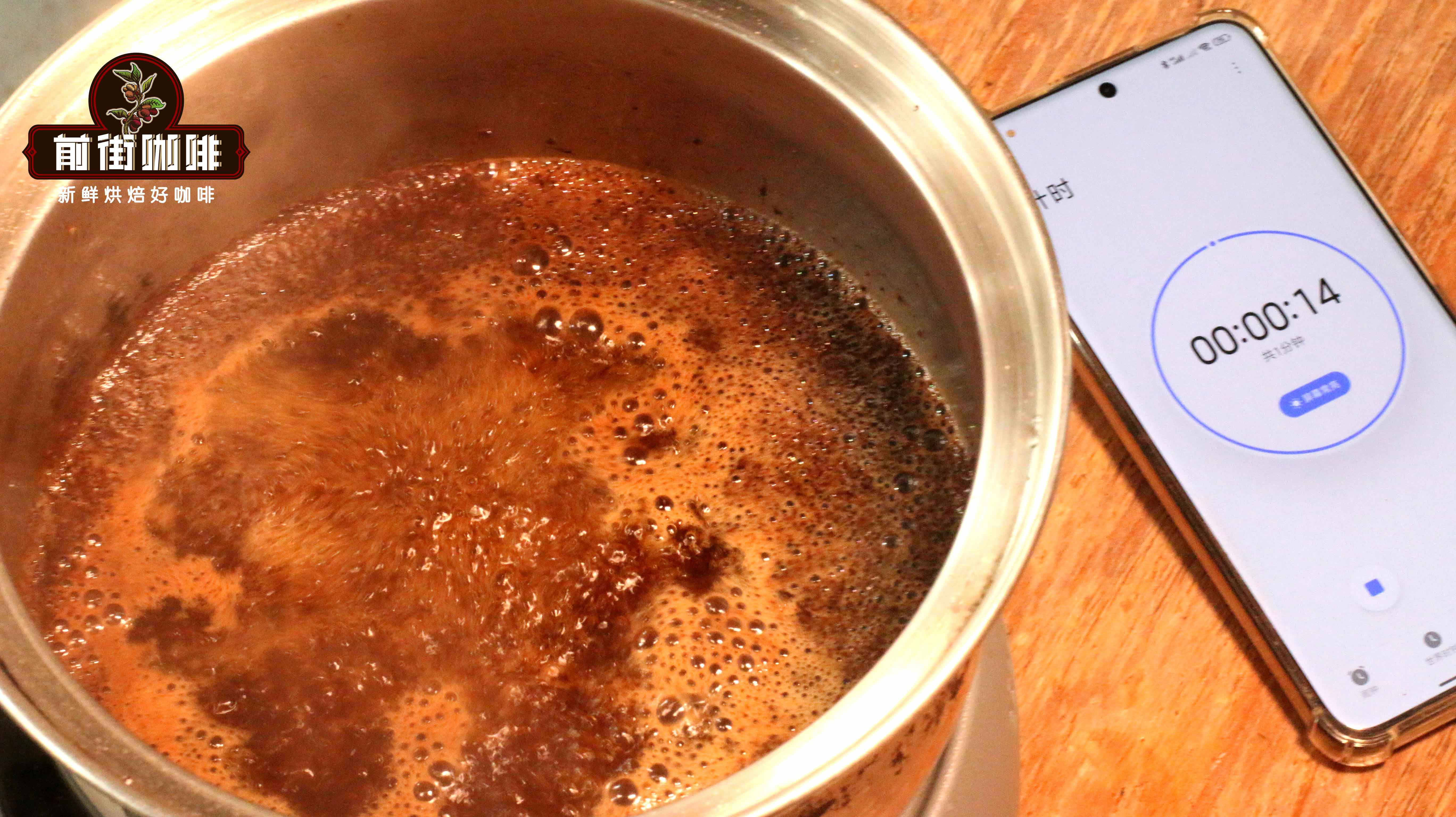
Since then, the Melitta company has continuously optimized the design of the filter, adjusting everything from shape and size to filter hole layout and flow channels based on changes in the coffee market and consumer needs. The commonly seen trapezoidal filter today is the classic bestseller from Melitta’s era, and its design logic remains an important reference for the development of pour over equipment.
The charm of pour over coffee lies partly in the diversity of compatible bean varieties. For those who prefer floral notes, it’s recommended to try lightly roasted beans with unique citrus and jasmine profiles; for those who enjoy bright acidity, varieties with vibrant fruit acids and a black tea-like finish are great choices; those seeking balanced flavor (neither too acidic nor too bitter) can opt for medium-roasted beans with nutty and chocolatey notes; and for lovers of rich, bold flavors, deeply roasted classics with prominent body are ideal. Different filters (such as the smooth flow rate of the V60 or the aroma-enhancing characteristics of the Kono) also affect the final flavor profile and can be paired according to personal preference.
Here are some suggested basic brewing parameters: 15g of coffee; grind size for light roast beans refers to setting 10 on the EK43 (80% passing through a #20 sieve), adjust to 10.5 for dark roast beans (also 80% passing); water temperature should be 90°C–92°C for light roast and 86°C–88°C for dark roast; maintain a 1:15 coffee-to-water ratio; the filter can be either a V60 or a Kono.
The core steps of the three-stage brewing method can be divided into the bloom, main extraction, and finish blending:
First stage [Bloom]: Pour water equal to twice the coffee weight (about 30ml), starting from the center and spiraling outward, for 30 seconds. This step aims to release carbon dioxide from the coffee grounds, opening up pathways for effective extraction later. Note that the bloom water amount should not be too much or too little—too much may lead to uneven extraction, while too little may fail to fully saturate the coffee bed. The ideal state is when the hot water just wets all the coffee grounds, leaving the surface moist but without pooling.
Second stage [Main Extraction]: After the bloom, pour 120ml of hot water at a steady, small stream in a large circular motion, aiming to complete the pour in about 55 seconds. This stage is the key period for flavor formation—hot water at high temperature can fully activate the acidic and sweet substances (like citric acid and caramelization products) in the coffee grounds, creating a bright and lively taste. Maintain a stable flow rate during pouring to avoid uneven extraction caused by inconsistent water pressure.
Third stage [Finish]: When the water level is about to run low (revealing the coffee grounds), pour the final 75ml of hot water, switching to a small circular pour around the center of the filter. This step is used to balance the overall extraction: if the earlier flow was too fast leading to under-extraction (resulting in a thin-tasting coffee), reduce the flow rate and extend the extraction time; if there are signs of clogging (slow flow that risks over-extraction), increase the flow rate to improve permeability.
Finally, the [Blending] phase: The coffee substances extracted in the three stages may have slight separation due to differences in concentration, which could result in a disjointed taste if consumed directly. It’s recommended to gently swirl the server to promote even mixing of flavor compounds from each stage, resulting in a final cup with a clean, full-bodied base and a rich, multi-layered finish—this is the true charm of the three-stage brewing method.
The above content is compiled by CoffeeHunters, a coffee news website.


