







Introduction:Geisha coffee is renowned for its distinctive floral and citrus notes, yet its high price often leaves many aspiring drinkers hesitant. This article delves into the variety characteristics, growing conditions, and market supply and demand behind Geisha’s premium pricing. It also recommends a range of Geisha coffees of different grades and processing methods—from entry-level Green Label and Blue Label beans to high-value blends—to help readers find their ideal Geisha experience within their budget.
In the world of specialty coffee, Geisha (also spelled Gesha) is undoubtedly one of the most celebrated star varieties. Both professional baristas and coffee enthusiasts rave about its unique citrus, floral, and tea-like flavor profile. However, the steep price of Geisha coffee deters many. What exactly makes Geisha so expensive? This article will take you through a comprehensive understanding of the secrets behind Geisha’s price, covering its varietal traits, growing environment, processing methods, and different grade options. We’ll also recommend several high-cost-performance Geisha coffees, helping you gradually achieve “Geisha freedom.”
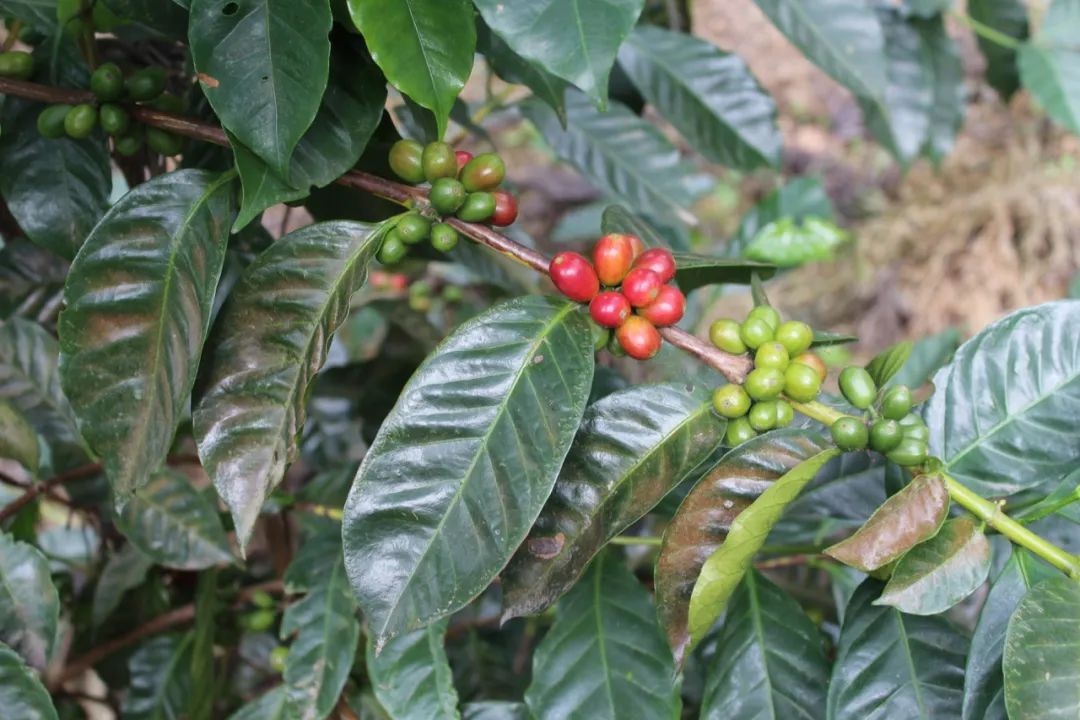
First, the reason why Geisha is so expensiveis largely due toits limited production. Compared to other common Arabica varieties, Geisha coffee trees grow slowly, with wide branch spacing, fewer blossoms, and lower fruit yield. Additionally, Geisha plants are usually taller, making harvesting more difficult—all of which directly affect the yield per unit area. In fact, when Geisha was first introduced to Panama, it was even used as a windbreak rather than as a cash crop. Scarcity drives value, and limited supply naturally pushes up market prices.
Beyond yield issues, Geisha hasextremely demanding growing requirements. It needs to be cultivated at high altitudes with significant day-night temperature variations to accumulate sufficient flavor compounds. At the same time, temperatures cannot be too low, or the plants risk frost damage. These conditions limit the regions where Geisha can be grown, increasing both cultivation difficulty and cost. Moreover, Geisha has relatively weak disease resistance, requiring more meticulous management, which further raises production costs.
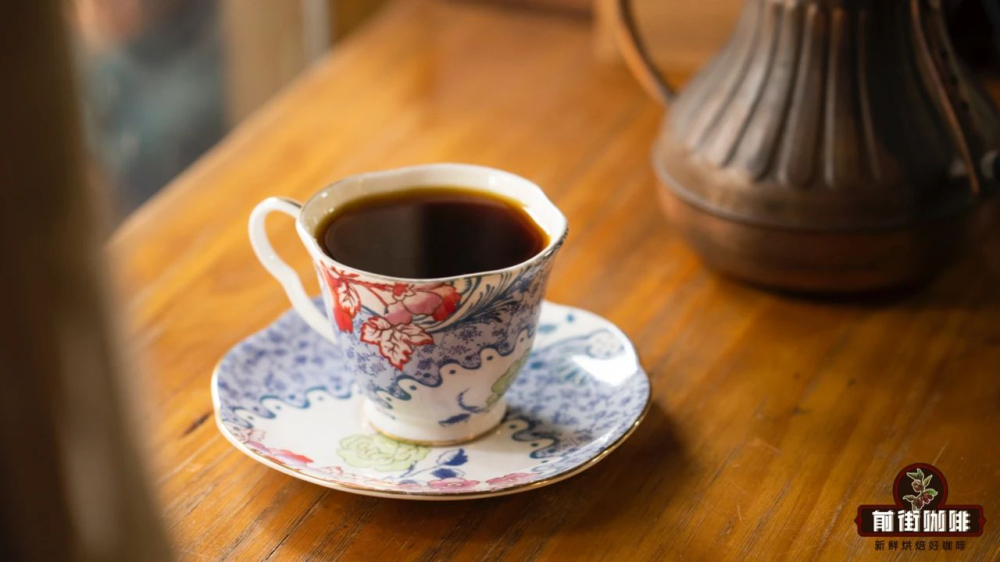
What makes Geisha captivating, aside from its rarity, is thedelicate and multi-layered flavorsit exhibits. Common tasting notes include jasmine, lemon, peach, honey, and even tea-like and sweet aromas. These unique sensory experiences have led Geisha to fetch sky-high prices in auction markets. However, for most consumers, the more practical challenge is how to enjoy the charm of Geisha within a reasonable budget.
If you want to experience Geisha at a more affordable price,blended Geisha coffee beansare a great option. Many producing regions blend Geisha with other varieties such as Caturra, Catuai, and SL28. This approach retains some of Geisha’s signature characteristics while complementing its flavor and body with other beans, thereby reducing the overall cost. For example, Panama’s Boquete region offers “Flor de Selva” coffee beans, which consist of 70% Geisha blended with 30% Caturra and Catuai. The flavor features pronounced floral notes and moderate nuttiness, making it a popular entry-level choice for many coffee lovers. Another example is a Geisha blend from Costa Rica’s Mirasol Estate, which reduces the Geisha content to 50% and pairs it with varieties like SL28 and ET47, using a raisin honey process to deliver rich berry, citrus, and candied fruit flavors—truly unique.
Besides blends, choosingentry-level Geisha lots from well-known estatesis another effective way to achieve “Geisha freedom.” Take Panama’s Hacienda Esmeralda as an example. Its Geisha offerings are divided into three grades: Red Label, Green Label, and Blue Label. Among them, the Blue Label, grown at slightly lower altitudes and featuring some mixed harvests, is more affordable and a great choice for beginners. Starting in 2020, Hacienda Esmeralda’s Blue Label Geisha has also introduced both washed and natural processing methods: the washed version showcases a refreshing profile of lemon, oolong tea, cane sugar, and peach; the natural version highlights intense tropical fruit, lemon, honey, and fermentation aromas for a sweeter, richer cup.
On the other hand, Ethiopia’s Gesha Village Estate also offers various grade options, including auction lots, Gold Label, Red Label, Green Label, and Chaka lots. Among them,the Green Label Geishabelongs to the Single-Terroir series, sourced from a single farm with full traceability. Its flavor is characterized by high sweetness and yellow stone fruits (such as apricot and mango), offering exceptional cost-performance. The Chaka lot, meanwhile, is a blend of three different varieties designed to deliver a stable and balanced flavor profile, making it suitable for consumers trying Gesha Village products for the first time.
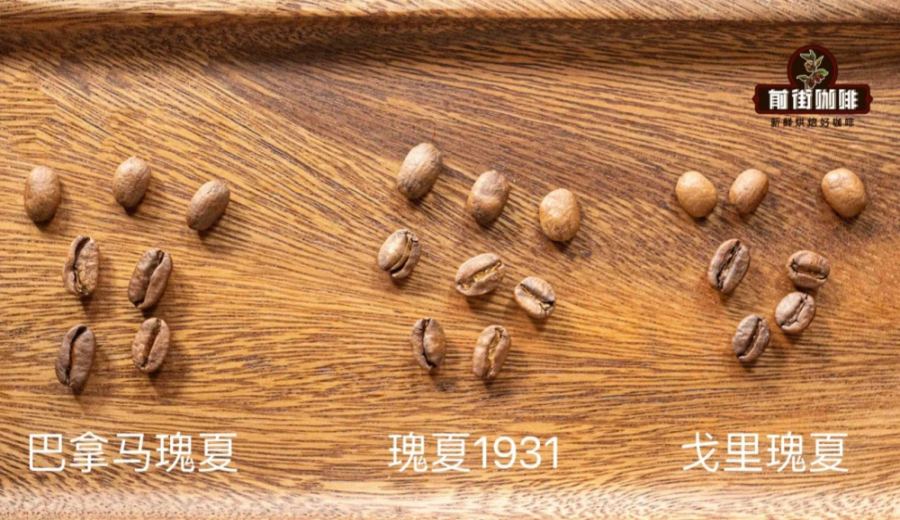
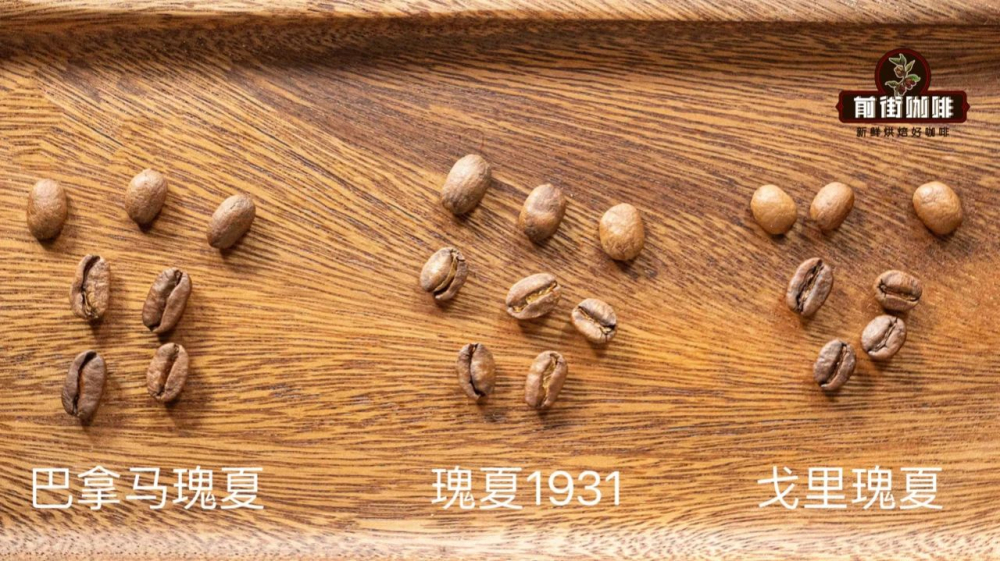
It’s worth noting that although both are called “Geisha,”the varieties from Hacienda Esmeralda and Gesha Village Estate are actually different. The Geisha at Gesha Village Estate originates from a wild variety discovered by the estate owners, named “Gesha 1931” or “Gori Gesha.” While it shares high flavor potential with the Panamanian version, it is not genetically identical. Understanding these differences can help consumers make more suitable choices based on their personal taste preferences.
The above content is compiled by CoffeeHunters, a coffee news website.


