







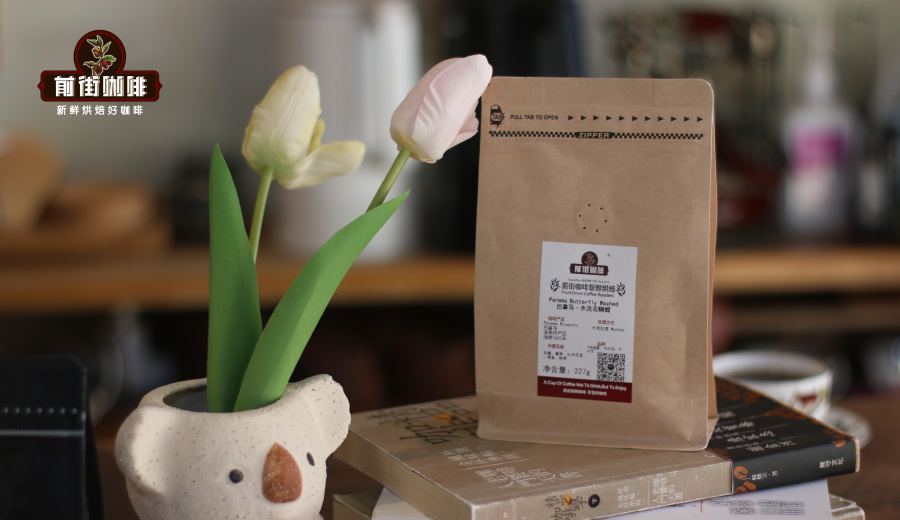
Introduction:At the foot of the Barú Volcano in Panama's Boquete region lies a specialty coffee bean that blends three varieties—Geisha, Caturra, and Catuai—known as Flower Butterfly. With 40% Geisha lineage, it delivers pronounced floral and fruity notes. Washed processing and a medium-light roast highlight its delicate acidity and honey-like sweetness. This article delves into its microclimate, variety composition, washed process, and provides practical V60 pour-over parameters and three-stage extraction techniques to help you master the brewing essentials of this high-value volcanic bean.
Panama is globally renowned for the Geisha coffee from Hacienda La Esmeralda, but in the same Boquete region’s volcanic soils grows another high-cost-performance specialty bean—Flower Butterfly. This coffee combines three varieties: Geisha, Caturra, and Catuai, with Geisha making up 40% of the blend. Through meticulous washed processing, it exudes elegant jasmine floral notes, bright citrus tones, and a smooth honey finish.
Boquete is located in western Panama, adjacent to the majestic Barú Volcano. This active volcano not only shapes the dramatic landscape but also enriches the surrounding coffee farms with mineral-rich volcanic ash soil. The high-altitude environment, coupled with significant diurnal temperature variations and frequent cloud cover, slows the ripening of coffee cherries, allowing them to accumulate richer sugars and flavor compounds.
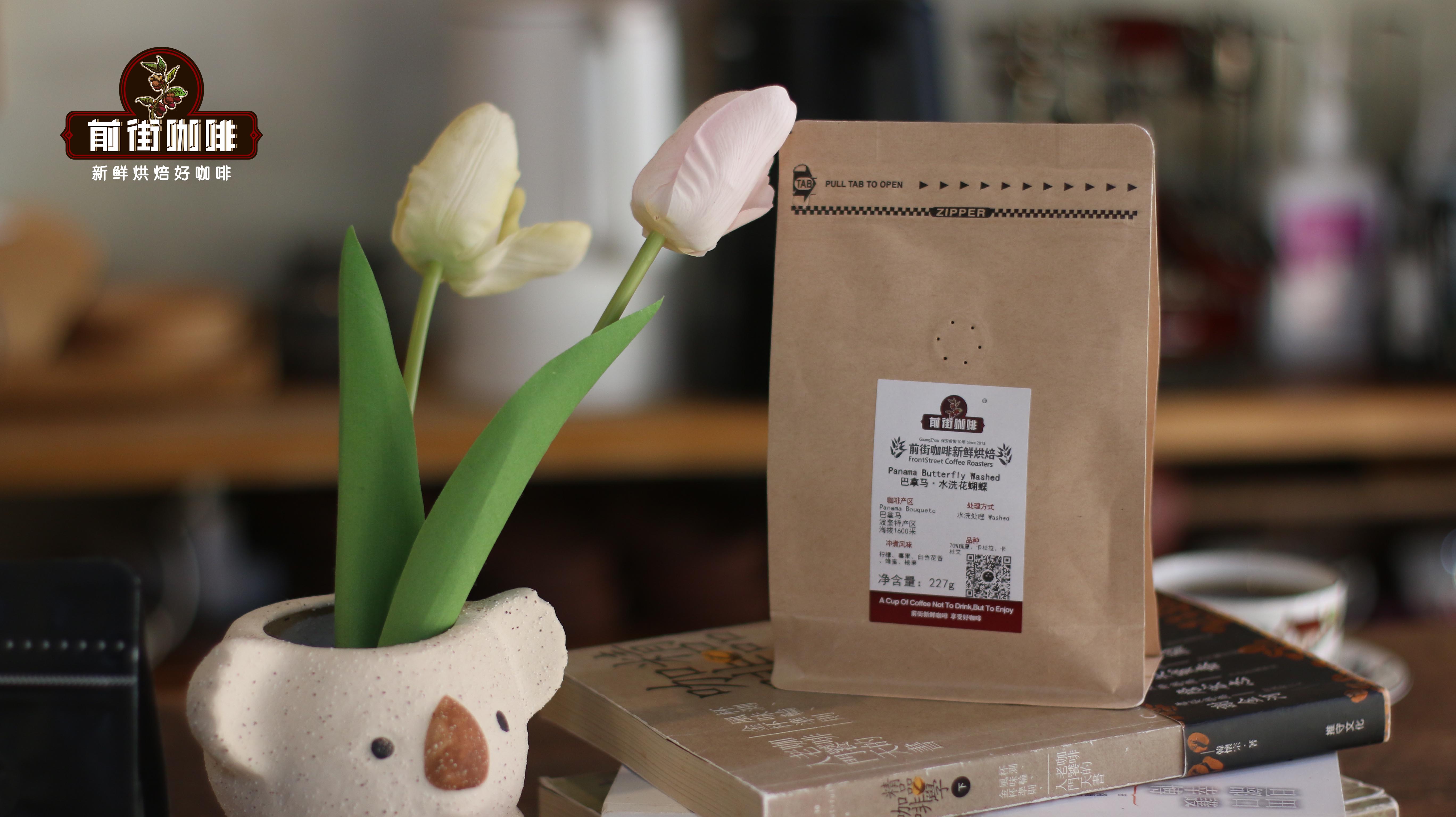
Flower Butterfly coffee beans are primarily grown on the slopes of the Barú Volcano at around 1,600 meters above sea level, within a typical microclimate zone with evenly distributed annual rainfall and moderate sunlight. Compared to single-variety Geisha, Flower Butterfly, through the hybridization of Geisha with Caturra and Catuai, not only retains the distinctive floral and fruity characteristics of Geisha but also offers more stable yields and a more accessible price point.
In terms of processing, Flower Butterfly employs traditional washed processing, but the execution is highly meticulous. Harvested coffee cherries first undergo flotation to remove unripe and defective beans, followed by pulping to remove the outer skin and pulp. The remaining beans are then soaked in fermentation tanks for controlled fermentation lasting about 18–36 hours. During this stage, natural enzymes break down the mucilage layer, after which the beans are moved to African beds or concrete patios for drying over 10–14 days, with daily turning to ensure even moisture removal to approximately 11% moisture content.
This processing method not only preserves the bright acidity and complex aromas unique to the Geisha variety but also gives the coffee a clean flavor profile and distinct taste layers. Professional cupping analysis reveals that Flower Butterfly exhibits tea-like fresh aromas, lively citrus acidity, and a sweet aftertaste interwoven with honey and berries.
From a roasting perspective, a medium-light roast is the optimal choice to highlight Flower Butterfly’s potential. This roast level retains the hard bean structure formed in the high-altitude environment while avoiding excessive development of burnt or bitter notes. Practical experience suggests usinga water temperature of 91–92°C with a grind size similar to fine sugar (approximately 80% passing through a #20 sieve)to effectively balance the acidity and sweetness of Flower Butterfly while enhancing aroma diffusion.
For hands-on brewing, it is recommended to use a V60 filter cone witha coffee-to-water ratio of 1:15 to 1:16 (e.g., 15 grams of coffee to 225–240 milliliters of water). The V60’s unique spiral ridges and large central hole design extend the contact time between water and coffee grounds while creating a noticeable extraction gradient, making it particularly suitable for highlighting Flower Butterfly’s multi-layered flavor structure.
For actual brewing, a three-stage pouring method can be employed: the first stage involves pouring 30 grams of water for a 30-second bloom to help the coffee grounds fully expand and release gases; the second stage steadily adds 95 grams of hot water, observing the coffee bed descend to about half its height; the final stage adds another 100 grams of water until dripping is complete. Throughout the process, maintaina small stream of water and circular pouring around the centerto effectively avoid channeling and ensure uniform extraction.
The brewed coffee is recommended to be gently swirled before drinking. At this point, you can distinctly perceive the upfront jasmine and citrus aromas, the mid-palate showcasing a balanced acidity and sweetness of cherries and berries, and the aftertaste carrying a lingering honey-like sweetness with a soft tea note. This flavor combination makes Flower Butterfly an excellent choice for experiencing Geisha characteristics and practicing pour-over techniques.
The above content is compiled by CoffeeHunters, a coffee news website.


