








Introduction:Indonesian coffee is often known for its intense herbal and spicy profile, but this S795 variety Arabica from Mount Tigulara in West Java, grown at 1400–1600 meters above sea level, surprises with its honey sun-dried processing method that highlights tropical fruit acidity and a wine-like, rich aftertaste. This article takes you through the terroir, variety origins, processing methods, roasting strategy, and pour over parameters to fully unpack this sweet, layered specialty bean — helping you understand its unique charm and ideal brewing methods.
Indonesian coffee has long been globally recognized for the bold body and herbal aroma of Sumatra’s Mandheling, but this coffee from Aimanee in West Java breaks the mold with a completely different flavor profile. Grown at 1400 to 1600 meters above sea level in the high humidity and fertile volcanic soil of Mount Tigulara, West Java, this bean is of the S795 Jember variety and is refined via honey sun-dried processing. It delivers a soft tropical fruit acidity, notable sweetness, and even a hint of wine-like finish.
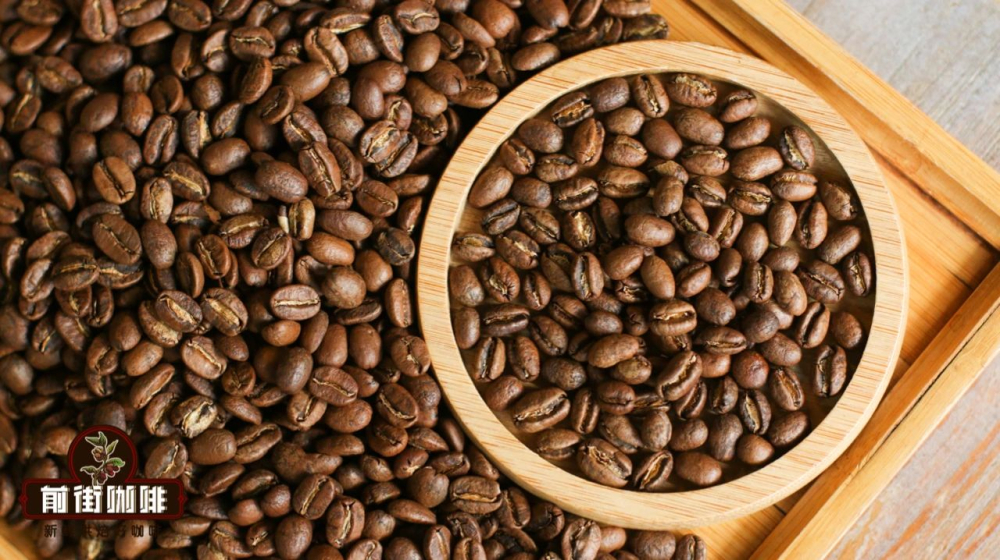
West Java Province is located on the western part of Indonesia’s Java Island, featuring a tropical rainforest climate with high temperatures and humidity year-round. The mountainous areas enjoy relatively cool temperatures, and from November to March, it receives abundant rainfall due to the northwest monsoon, while the southeast monsoon period from April to October is dry and sunny. These climatic conditions provide an ideal environment for coffee cultivation. The local volcanic soil is rich in minerals, aiding coffee tree growth and imparting distinctive flavors to the beans. This Aimanee coffee comes from the Ciwidey Garut area of West Java. Though not using any special cultivars, it surprises with remarkable fruity aromas and sweetness thanks to its honey sun-dried process.
The variety of this coffee bean is S795, also known as Jember, which originated in India and was introduced and promoted by the Jember Coffee Research Center in East Java. The background of S795 is complex: it stems from S288 (an outstanding hybrid developed in India in 1946, with Typica and Liberica lineage), which underwent multiple crosses with Typica and Kent varieties, eventually forming S795 — a variety that combines disease resistance with elegant flavor. This variety is promoted in both Indonesia and India. Its beans are bluish-green in color. Although it retains some Liberica heritage, years of breeding refinement have given it a rounder flavor profile, along with the dual advantages of high yield and disease resistance.
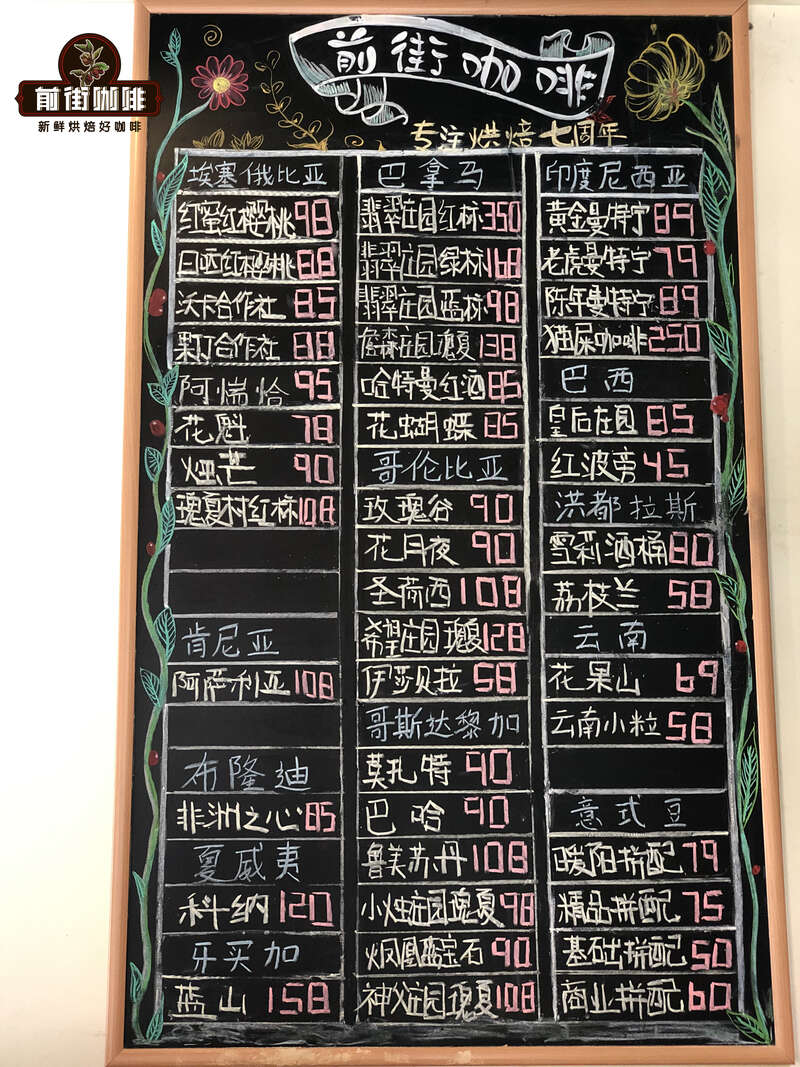
This West Java Aimanee coffee bean uses the honey sun-dried processing method. The process begins with handpicking ripe red coffee cherries, removing the outer skin, and then drying the beans with some of the pulp still attached under the sun for about a month. Afterward, the beans are washed and left to rest for half a month before being packaged. This method carries higher risk but effectively enhances sweetness and aroma complexity, allowing the coffee to exhibit rich dried fruit and wine notes. Compared to standard washed or traditional sun-dried processes, honey processing preserves more pulp sugars, thereby intensifying sweetness and layering.
In terms of roasting strategy, the roaster chose a medium roast to balance the fruit acidity and sweetness, considering the high-density green beans. During roasting, the initial flame setting is relatively high to stabilize the drying phase, then gradually reduced to preserve floral and fruity aromas. At first crack, the air vent is opened to the maximum to ensure full flavor development. The beans are finally dropped at a drum temperature of 198.6°C, resulting in a warm, mellow roast character with bright fruity notes.
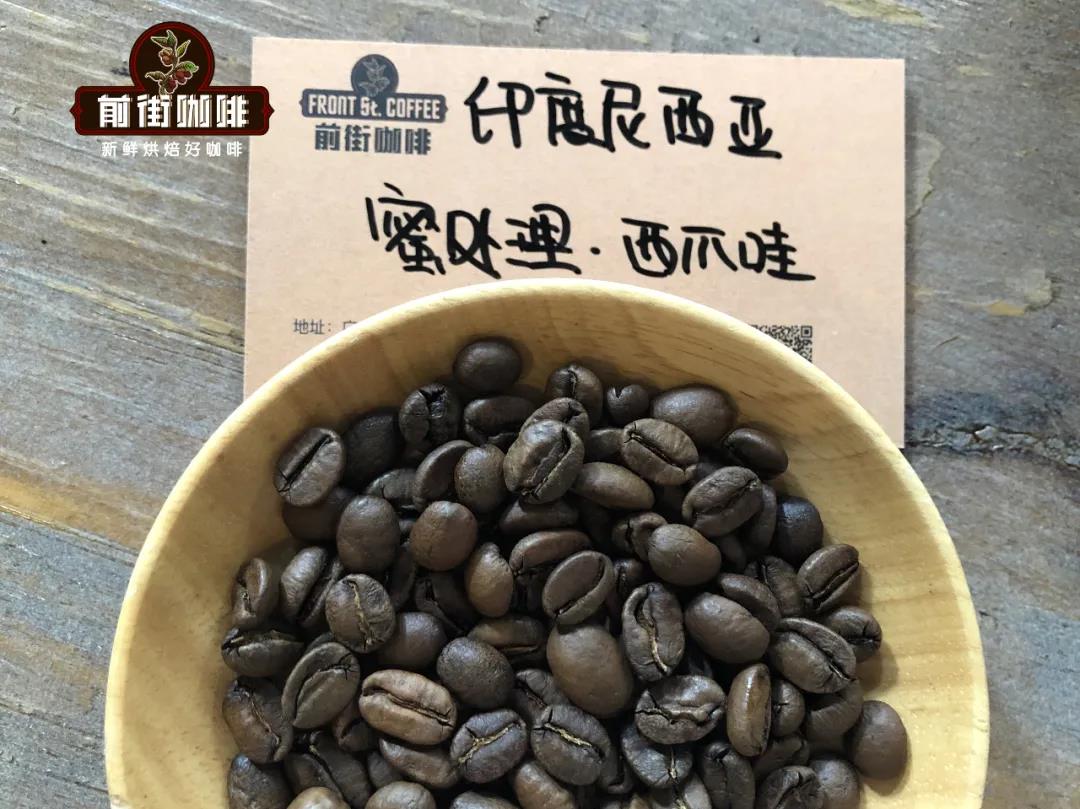
Cupping results show that this coffee offers intense floral, dried fruit, and wine aromas in the dry scent. On the palate, the acidity is gentle, tucked beneath a richness of tropical fruit flavors such as mango and jackfruit, accompanied by clear sweetness and a subtle wine fermentation aftertaste. The overall flavor profile is full-bodied yet not heavy, making it ideal for coffee lovers who enjoy a balance between fruity and sweet notes.
Recommended pour over parameters are as follows: water temperature 90–91°C, using an EK43s grinder at setting 10 (approximately fine sugar size, 20-mesh sieve yields 80%); brew ratio 1:15, coffee dose 15 grams. Brewing steps suggest starting with a 30-second bloom using 30 grams of water, followed by pouring 95 grams of water (total around 125 grams). When the water level drops to about two-thirds of the coffee bed (around 1 minute in), add another 100 grams of water (total around 225 grams). Total brew time is approximately 2 minutes, extracting a rich and layered tropical fruit flavor.
In summary, this Indonesian West Java Aimanee coffee bean, with its unique S795 variety, honey sun-dried processing, and high-altitude cultivation background, creates a complex flavor profile featuring tropical fruit acidity, sweet dried fruit notes, and a wine-like aftertaste. It’s a must-try specialty option for coffee enthusiasts seeking something beyond the traditional Mandheling profile.
The above content is compiled by CoffeeHunters, a coffee news website.


