







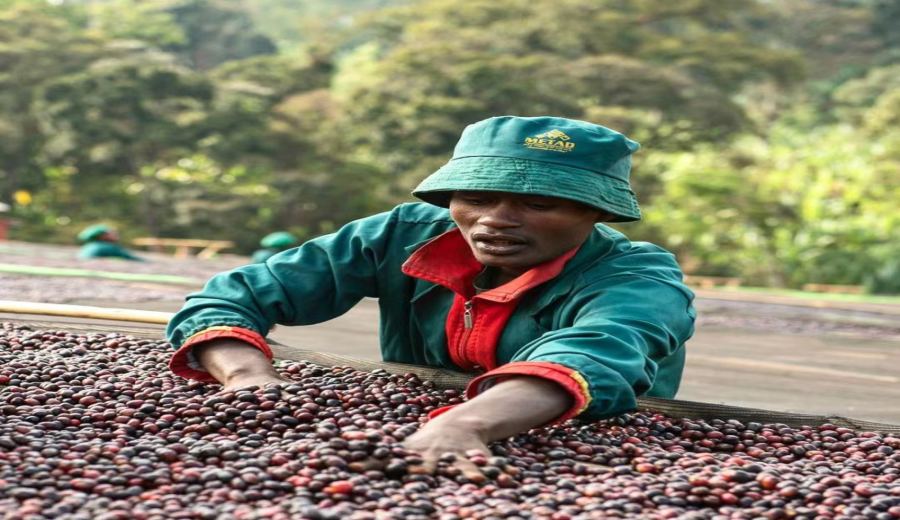
Introduction:The coffee from the Wolkite Cooperative in Yirgacheffe is renowned for its anaerobic natural processing method, boasting unique tropical fruit aromas such as strawberry, magnolia, and small Taiwanese mango. This article delves into its origin background, organic certification, and farmer collaboration model, while also exploring the origins of Ethiopia’s Heirloom native variety and how anaerobic fermentation influences flavor—offering a comprehensive understanding of this popular specialty coffee from cultivation to brewing.
For a long time, Yirgacheffe has been one of the representative regions of Ethiopia’s specialty coffee, thanks to its delicate floral notes, bright citrus acidity, and smooth mouthfeel. Among them, a particular cooperative has adopted an innovative anaerobic natural processing method that imparts a more complex flavor profile, with impressive aromas of strawberry, magnolia, and small Taiwanese mango. This article will take you through the region’s environment, farmer cooperation model, organic certification, varietal characteristics, and anaerobic processing technique, to deeply explore the unique charm of this cooperative’s coffee.
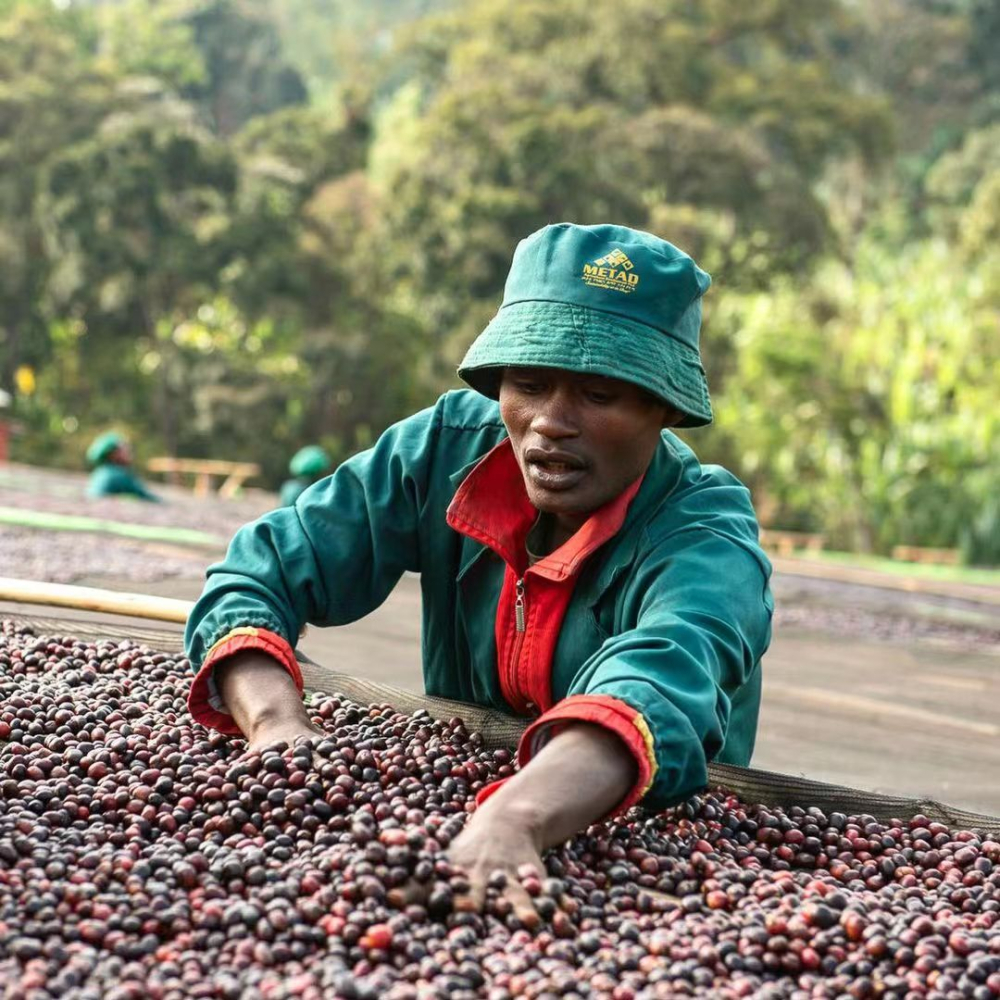
Yirgacheffe and the neighboring Sidamo region share many similarities in geological and climatic conditions, but Yirgacheffe seems to have a more favorable "terroir," producing coffees that generally exhibit more pronounced floral and fruity notes. In particular, the Yirgacheffe coffee selected from a certain area showcases clear floral aromas, refreshing citrus acidity, and a silky-smooth mouthfeel like silk, making it a classic entry-level choice for many pour over coffee enthusiasts.
The star of this introduction—the coffee from a certain cooperative—does not use traditional natural or washed processing methods but instead opts for the more challenging anaerobic natural process. This coffee comes from a cooperative in the town of Yirgacheffe, located in the southern part of the Gedeb district. The cooperative was officially established in 2005 and joined the Yirgacheffe Coffee Farmers Cooperative Union (YCFCU) in the same year. Currently, the cooperative has about 300 coffee farmers, while the YCFCU integrates 27 member organizations, serving over 45,000 coffee growers.
The coffee production process at the Wolkite Cooperative adheres to not using chemical fertilizers or pesticides, thus successfully obtaining the EU-certified Skal organic coffee certification. This serves as a significant assurance for health- and sustainability-conscious consumers. The coffee mainly comes from over 700 smallholder farms in the area, with processing methods including both traditional washed and natural processes. Thanks to its consistent regional flavor profile and rigorous production management, Wolkite is regarded as one of the important representatives of Ethiopia’s specialty coffee.
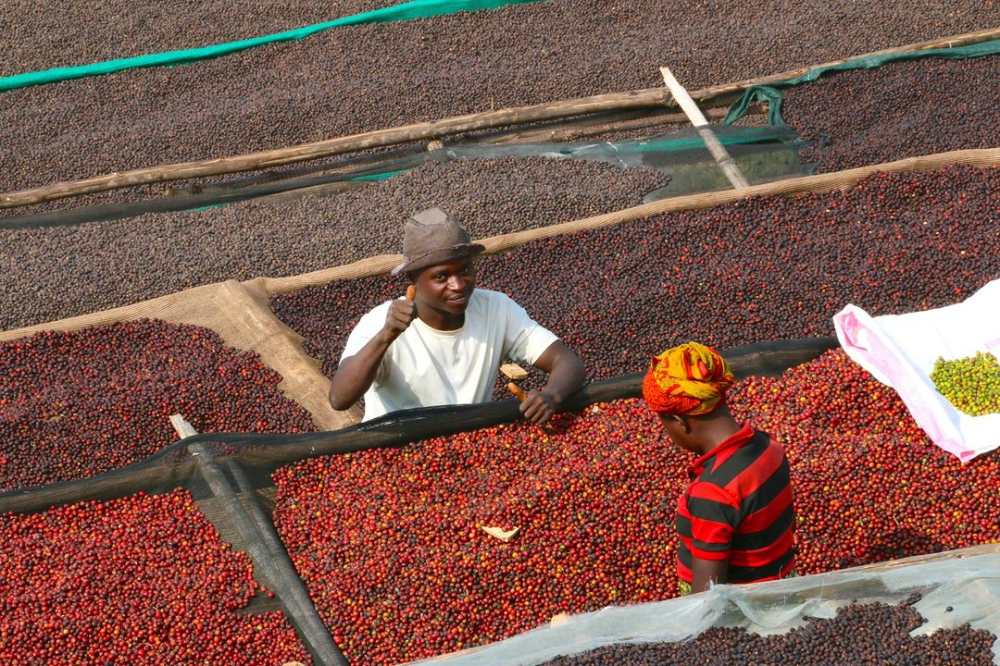
When it comes to coffee varieties in Ethiopia, the term “Heirloom native variety” is almost a standard label on every product. This is because Ethiopia possesses the world’s richest coffee gene pool, with so many varieties that it’s difficult to classify and name them all individually. To protect these precious local varieties, the Ethiopian government has not fully disclosed detailed information, so most Ethiopian beans on the market are collectively referred to as Heirloom. In fact, local farmers often plant and harvest mixed varieties, which is also the main reason why many Ethiopian beans vary in size and appearance.
As for the processing method, this coffee from a certain cooperative uses the anaerobic natural process—a innovative approach that adds an anaerobic fermentation step before the traditional natural drying. Simply put, coffee farmers place harvested ripe coffee cherries into sealed tanks and inject carbon dioxide to remove oxygen, allowing the pulp to ferment for an extended period in a low-temperature, oxygen-deprived environment. This enhances the tropical fruit aroma characteristics. This processing method allows the coffee to accumulate richer fruitiness and sweetness before drying, so when brewed, it often delivers intense flavors of strawberry, magnolia, and small Taiwanese mango, adding more layers and surprises to the overall taste.
Understanding this background not only allows for a deeper appreciation of the unique flavors of the Yirgacheffe Wolkite Cooperative coffee but also helps in making more suitable choices when selecting and brewing. Whether you’re a beginner in pour over or a coffee enthusiast pursuing special processing methods, this specialty coffee that combines traditional regional charm with modern processing techniques is definitely worth a try.
The above content is compiled by CoffeeHunters, a coffee news website.


