







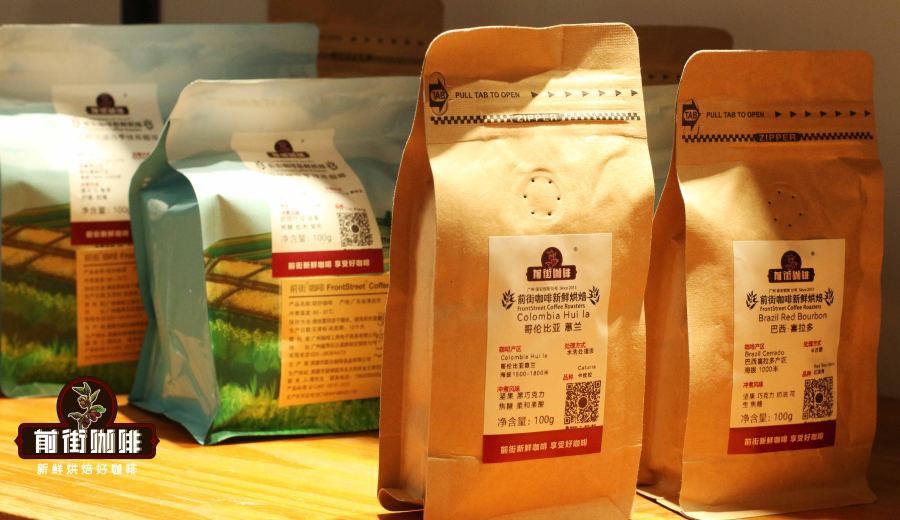
Introduction:Delve into how Colombia’s Huila region cultivates specialty coffee beans with balanced flavors and rich layers. This article begins with a historical background, introduces you to Huila’s geographical advantages and growing conditions, and analyzes the impact of washed processing on flavor. It concludes with a detailed breakdown of a well-known brand’s washed Huila everyday coffee beans, including specific parameters and brewing recommendations—offering a comprehensive guide to this classic coffee.
Colombian coffee has long been celebrated for its balanced acidity and sweetness, along with a smooth mouthfeel, and the Huila region stands out among them. Nestled in the mountainous south of Colombia, this area not only produces numerous specialty coffees but also stands as one of the most sought-after origins globally, thanks to its consistent quality and distinctive flavors. This article will take you through a full appreciation of Huila coffee’s charm, from its historical context and regional environment to washed processing techniques and actual tasting performance.
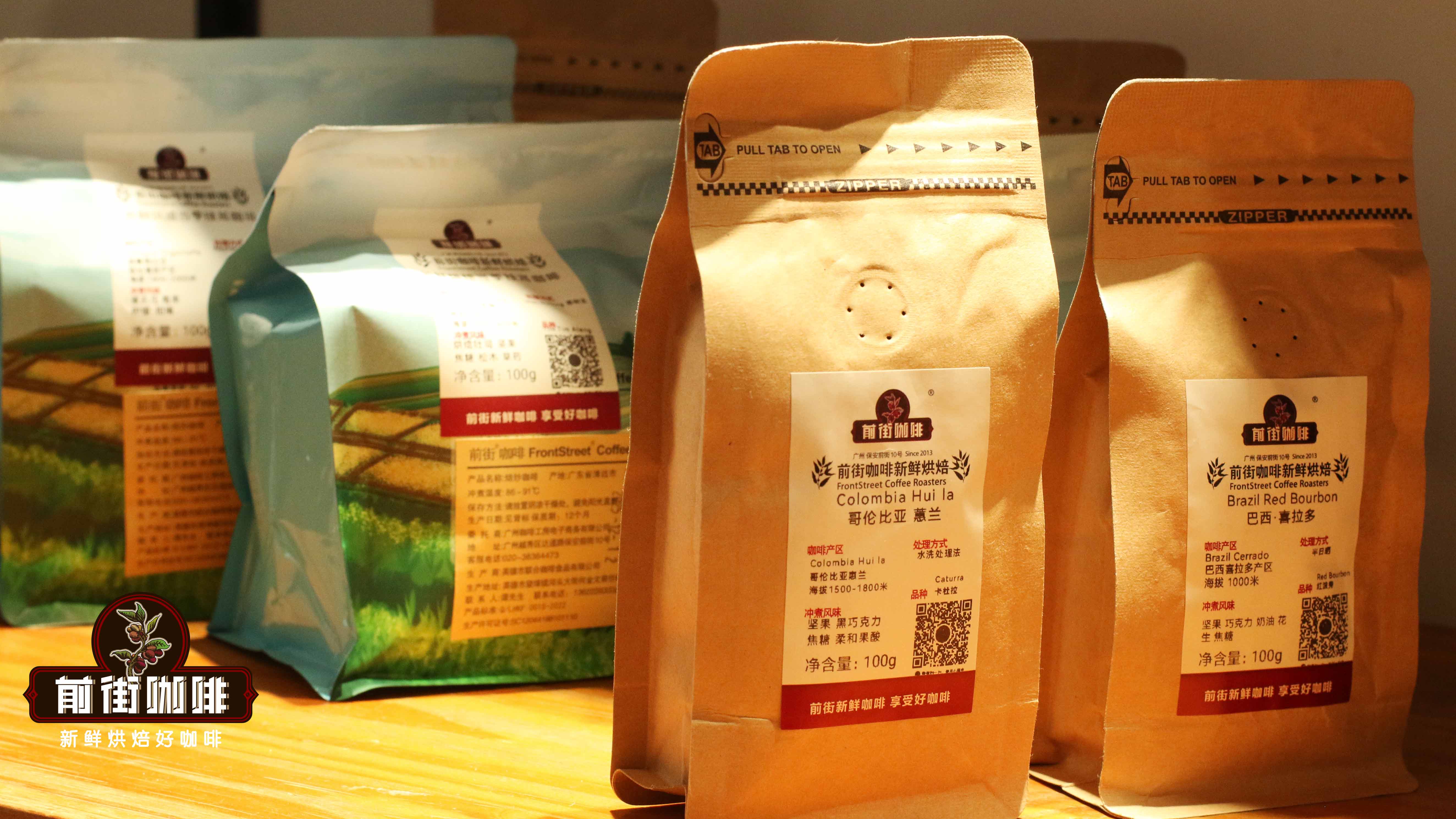
When it comes to Colombian coffee, many people’s first impression is of intense aromas, bright acidity, and lingering notes of chocolate and nuts. These traits are particularly evident in the offerings from the Huila region. A well-known brand’s washed Huila beans exude a deep, rich aroma, with lively yet non-harsh acidity upon tasting, accompanied by layers reminiscent of cocoa, cookies, and caramel. The finish is sweet and long-lasting, making it a memorable classic everyday bean.
Colombia’s coffee-growing history dates back to the early 18th century, when Spanish missionaries introduced coffee to the country’s northeast. Initially, due to coffee trees yielding almost no harvest in the first five years, many farmers were hesitant about cultivation. It wasn’t until a priest named Francisco Romero actively promoted it that attitudes gradually shifted. In 1835, Colombia achieved its first commercial coffee export, with an output of 25.6 million bags. With the establishment of the National Federation of Coffee Growers (FNC) in 1927 and the Coffee Research Center Cenicafé in 1938, Colombia’s coffee industry entered a new phase of professionalism and technological advancement, now ranking as the world’s third-largest coffee producer.
Colombia’s ability to grow high-quality coffee relies on its unique geographical and climatic conditions. The country’s mountainous regions, many exceeding 1,500 meters in altitude, combined with a mild and humid climate, provide an ideal environment for coffee trees. Unlike Brazil, which often utilizes flat red soil for large-scale planting, Colombia leans toward intensive cultivation, especially focusing on mountainous black soils, resulting in coffee beans with more concentrated and delicate flavors.
Among the many producing regions, the “MAM” (Medellín, Armenia, Manizales) trio was the first to gain international fame, but the true embodiment of Colombia’s specialty coffee spirit lies in the higher-altitude southern regions such as Huila, Cauca, and Santander. Among them, Huila is not only Colombia’s largest coffee-producing region but also a key source of specialty coffee.
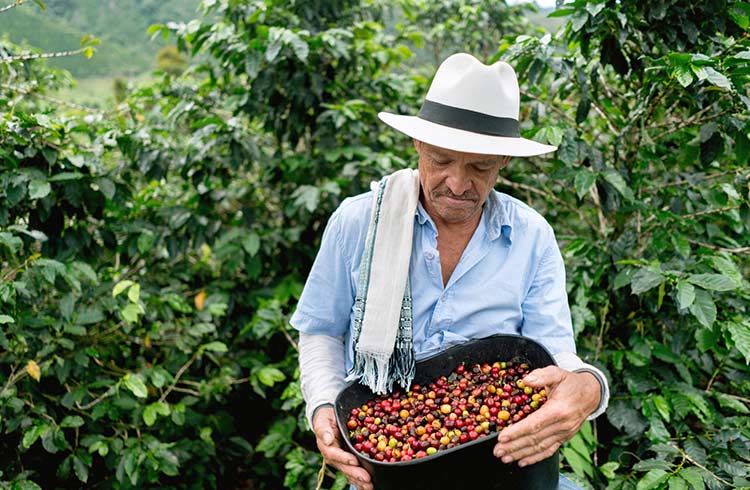
The Huila region features mountainous terrain, with planting altitudes generally exceeding 1,500 meters and reaching up to 1,800 meters. The area also includes the confluence of major rivers in Colombia, providing abundant water resources and a relatively cool climate. These conditions help coffee cherries ripen slowly, accumulating richer flavor compounds. A well-known brand’s decision to include Huila beans in its everyday series is precisely because of their ability to showcase the most classic and balanced flavor profile of Colombian coffee.
This well-known brand’s washed Huila coffee beans are grown at altitudes of 1,500–1,800 meters in the Huila region, with the Caturra variety known for its strong disease resistance and excellent flavor performance. The washed processing method not only reduces interference from impurities and undesirable flavors but also highlights the beans’ inherent cleanliness and bright acidity, making Huila’s distinctive floral-fruity notes and chocolatey aftertaste even more distinct. It’s an excellent choice for those new to pour over or who prefer a clean and refreshing taste.
For brewing recommendations, it’s suggested to use medium-light roasted Huila beans, ground to a medium-fine consistency (similar to granulated sugar), with water temperature controlled between 90–92°C. Employing a step extraction method can better fully release its layered flavors. Whether as a daily staple or as a starting point for exploring Colombian flavors, Huila coffee is not to be missed.
The above content is compiled by CoffeeHunters, a coffee news website.


