







Introduction:The washed processing method is an extremely important technique in specialty coffee production. Through a series of meticulous steps to remove the pulp and impurities, it preserves the original flavor of the coffee beans. This article details each stage from harvesting, flotation, fermentation to drying, analyzing how washed beans exhibit a clean, bright acidity and distinct aromas. It also shares practical processing details and common precautions to help readers gain a deeper understanding of the unique charm of washed coffee.
Washed processing is one of the most commonly used post-harvest methods in specialty coffee regions, especially in water-rich Latin American countries. This method relies on specialized equipment and a large amount of clean water, using multiple rigorous procedures to remove the skin, pulp, and mucilage layer by layer from the coffee fruit, ultimately obtaining clean, stable-quality green coffee beans. When properly executed, the washed process can fully showcase the unique characteristics of the coffee variety and origin.
Every step of washed processing is crucial—from the initial harvesting and flotation, to subsequent pulping, fermentation, washing, drying, and even the final hulling and grading. Each stage influences the final flavor profile of the coffee. This article will sequentially break down these processes and explain the common cupping characteristics of washed coffee, such as cleanliness, bright acidity, and rich aromas, helping coffee enthusiasts develop a correct understanding of washed beans.
Washed processing has certain requirements for equipment and water resources, but when operated correctly, it can effectively highlight the inherent potential of the coffee beans and significantly reduce the proportion of defective beans through multiple screening procedures, thereby improving overall quality. This method is widely used in Central and South America and is particularly suitable for highlighting the distinct regional flavors of specialty coffee.
After being harvested from mountainous regions, the first task is to remove the outer skin and pulp, exposing the inner coffee beans. The processing methods are generally divided into two main categories: washed and natural. The choice of method largely depends on local water availability. Some high-quality coffees may even use both methods to present different flavor profiles.
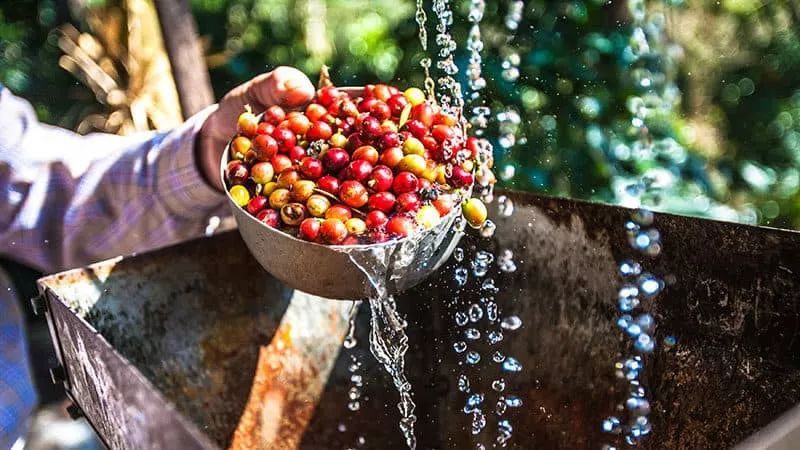
The harvested coffee fruits are first subjected to preliminary sorting to remove impurities and foreign matter. Next, these fruits are sent to the processing facility and poured into large water tanks. Using flowing clean water, ripe coffee beans—due to their higher density—will sink to the bottom of the tank, while unripe fruits, branches, bark, and other lighter impurities will float to the surface and be skimmed off by workers using nets.
After washing and grading in the water tank, the ripe coffee fruits are sent to a depulper to remove the outer pulp. This step is the biggest difference between the washed and natural methods—natural processing leaves the pulp still covering the coffee beans before drying. At this stage, the coffee beans are still covered with a slippery parchment layer, which protects the beans from damage during subsequent processing.
It’s important to note that washed processing should be carried out as soon as possible to avoid residual pulp fermenting and spoiling, which could lead to off-flavors penetrating the beans. Next, the coffee beans pass through mechanical sieve screens, where vibration helps filter out unripe beans and other defective ones. Beans that pass this stage are then returned to water channels for a second washing and classification.
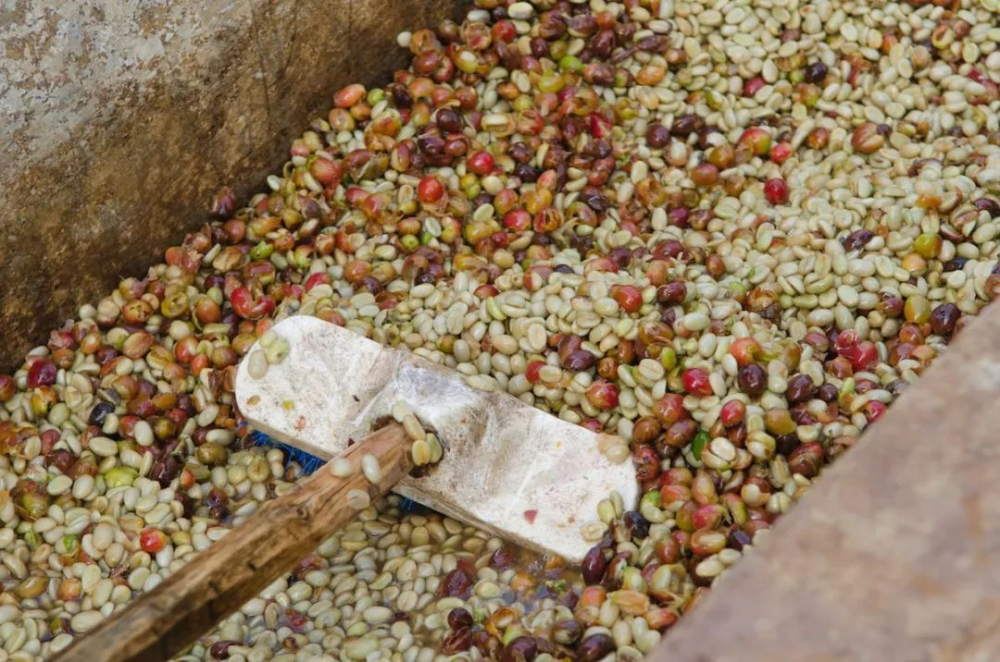
Even after depulping, some pulp may still cling to the parchment layer. Therefore, the coffee beans are sent to fermentation tanks, where natural enzymes break down these residual substances. Fermentation time typically ranges between 24 to 36 hours, though the actual duration is influenced by ambient temperature, the amount of residual pulp, and enzyme activity. After fermentation, the beans must be thoroughly rinsed with clean water until no slimy feeling remains on the surface. This process needs to be strictly controlled to prevent undesirable flavors.
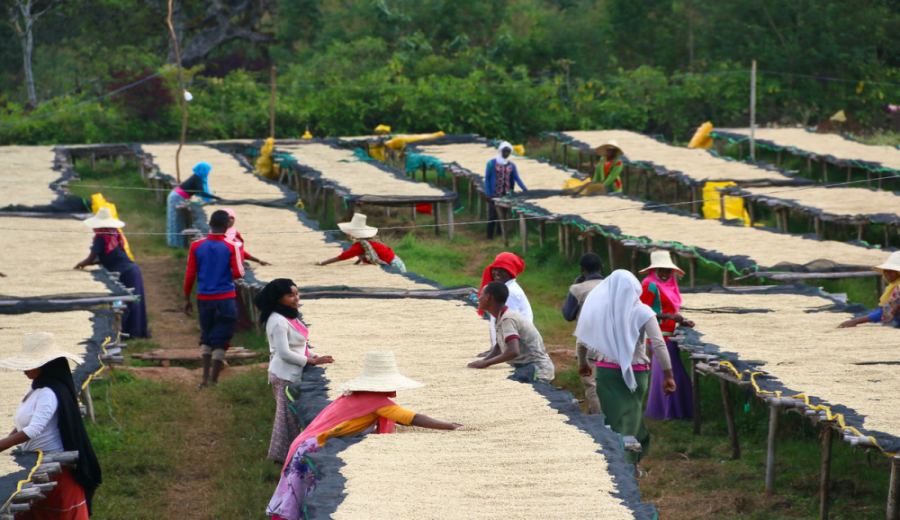
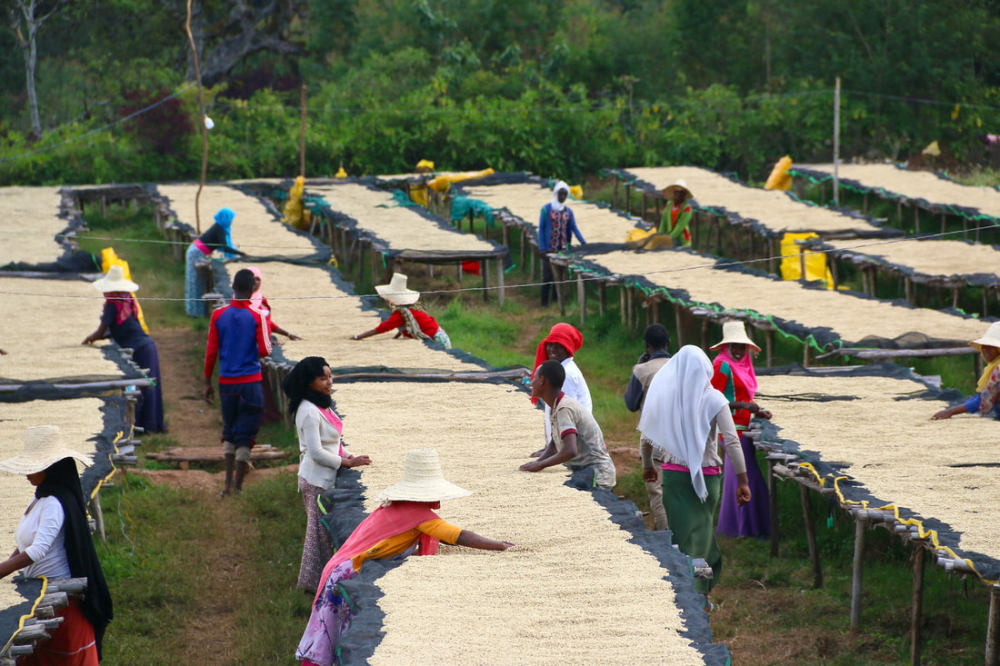
After fermentation and washing, the coffee beans have a moisture content of about 57%. This excessive moisture must be reduced to 12.5% for proper storage and export. If mechanical drying is used, it usually takes about 2 to 3 days; if sun drying is chosen, the time may extend to 1 to 2 weeks due to weather conditions. The dried coffee beans are temporarily stored, awaiting final processing before export.
Before export, the dried parchment and silverskin are removed by machine, followed by cleaning, screening, grading, and packaging procedures. Washed processed coffee beans usually appear bluish-green or grayish-green, with a clean taste, minimal off-flavors, and distinct fruity notes with bright acidity, making them a top choice for many specialty coffee enthusiasts.
The above content is compiled by CoffeeHunters, a coffee news website.


