







Introduction:Want to know why Panamanian Geisha has risen from obscurity to become one of the world’s top-tier coffees? This article takes you on a journey to explore the unique environment of the Boquete Valley in Chiriquí Province, analyzing how Geisha has captivated coffee lovers with its floral and fruity aromas and refined sweet-and-acidic flavors. From an introduction to the growing region and variety characteristics, to practical steps and parameters for brewing a Flat White pour over, this guide helps you gain an in-depth understanding of this shining jewel in the coffee world.
Have you ever wondered how an once-obscure coffee variety could transform into the pinnacle of global specialty coffee? The rise of Panamanian Geisha is not only an agricultural marvel but also tells the story of how geographical environment, climate conditions, and meticulous cultivation come together to craft astonishingly delightful flavors. This article starts with the development history of Panamanian coffee, delves into the Boquete Valley in central Chiriquí Province, and explores how the region’s volcanic soil and microclimates give birth to its unique floral and fruity aromas. We’ll also provide a hands-on demonstration, teaching you how to brew a richly layered Flat White using Geisha beans via pour over, so you can personally experience the perfect balance achieved when milk meets coffee.
Although Panama’s coffee-growing history is not as long-standing as that of its Central and South American neighbors, its development has been full of twists and surprises. As early as 1742, there are records of a French Caribbean (possibly Martinique or Haiti) merchant ship arriving at Portobelo via the port of Cartagena, carrying a barrel of coffee beans. However, the first systematic records of coffee cultivation in Panama didn’t appear until 1780. During the 1780s and 1790s, settler Pedro Antonio de Ayarza attempted to grow coffee around Portobelo but found the local environment was not particularly suitable for coffee production.
Entering the 1820s, as coffee gradually replaced cocoa as the mainstream beverage, coffee cultivation began to spread across more regions of Panama and compete in the market with the then-popular European teas. It’s worth mentioning that Panama still holds the world record for the highest auction price per pound of Geisha coffee and is renowned for producing high-altitude, high-quality specialty coffee. Today, whether in corner cafés or fine dining restaurants, locally produced Panamanian coffee has become part of everyday life for locals.
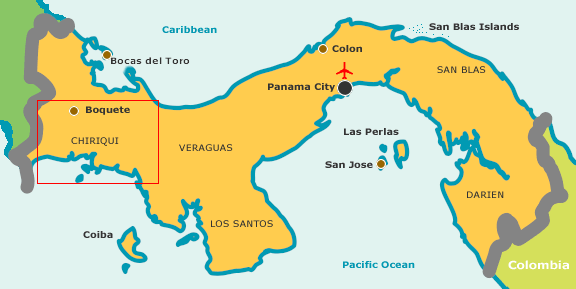
Panama’s coffee-growing regions are mainly concentrated in Chiriquí Province, which borders Costa Rica to the west, covering a total area of over 20,000 hectares, about 16,000 of which are dedicated to Arabica varieties. The province boasts three highly representative coffee-growing regions: Boquete, Volcán, Renacimiento, and Santa Clara. These regions are all located in the Central American Mountains, adjacent to the majestic but dormant Barú Volcano, whose peak reaches 3,475 meters above sea level. Thanks to diverse microclimates and fertile volcanic soils, Chiriquí Province is not only ideal for coffee cultivation but also perfect for growing purebred horses, flowers, cherries, bananas, and other crops.
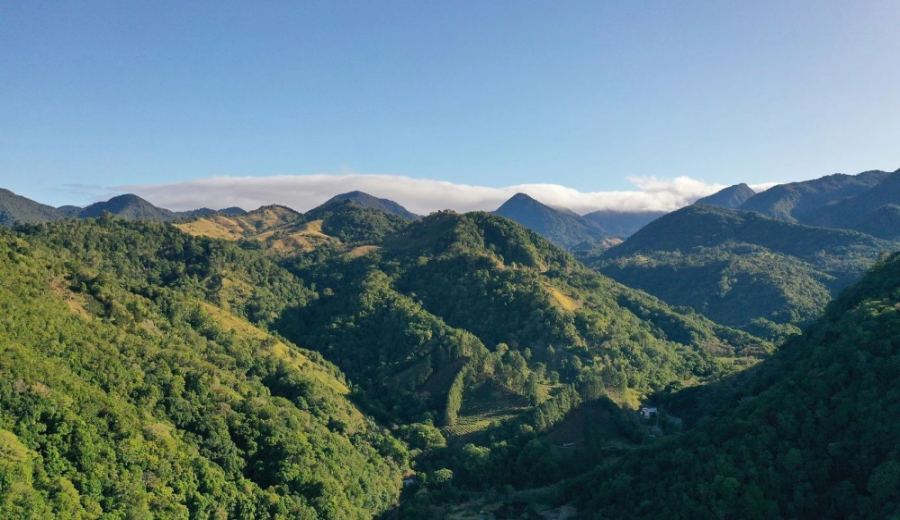
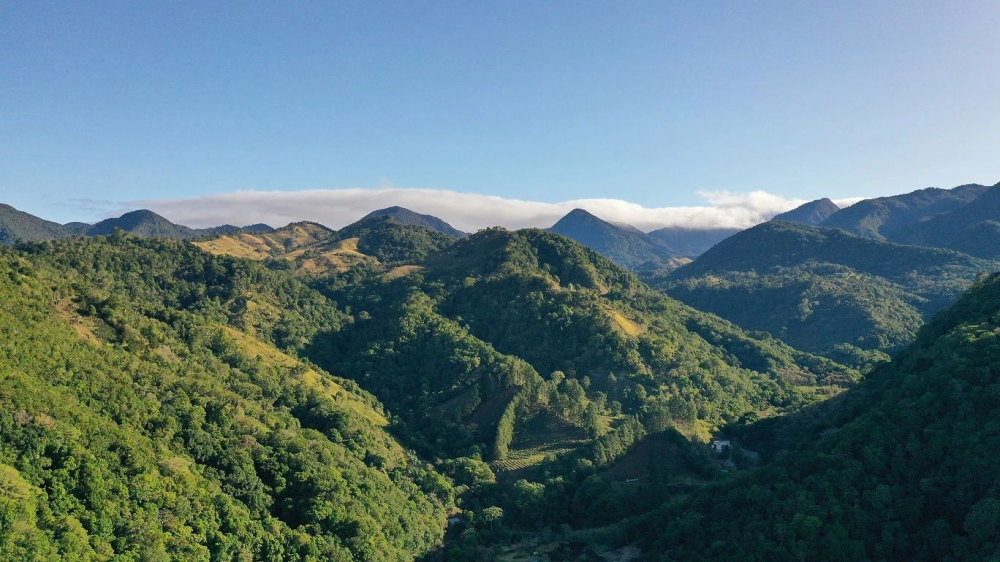
Among them, the Boquete Valley is hailed as the cradle of Panama’s coffee industry. Covering an area of 514 square kilometers with a population of about 15,000, the main crops here include coffee, flowers, citrus, strawberries, and various vegetables. Most coffee farms are located at high altitudes of around 1,600 meters, where the geology consists almost entirely of mineral-rich volcanic soil, providing optimal growing conditions for coffee trees. The region enjoys a cool climate, with occasional light drizzle in summer and is often shrouded in mist throughout the day, allowing coffee cherries to ripen slowly and ultimately develop beans with medium to high acidity and vibrant floral and fruity aromas. There are currently about 50 to 75 coffee farms and approximately 15 specialized processing mills in Boquete.
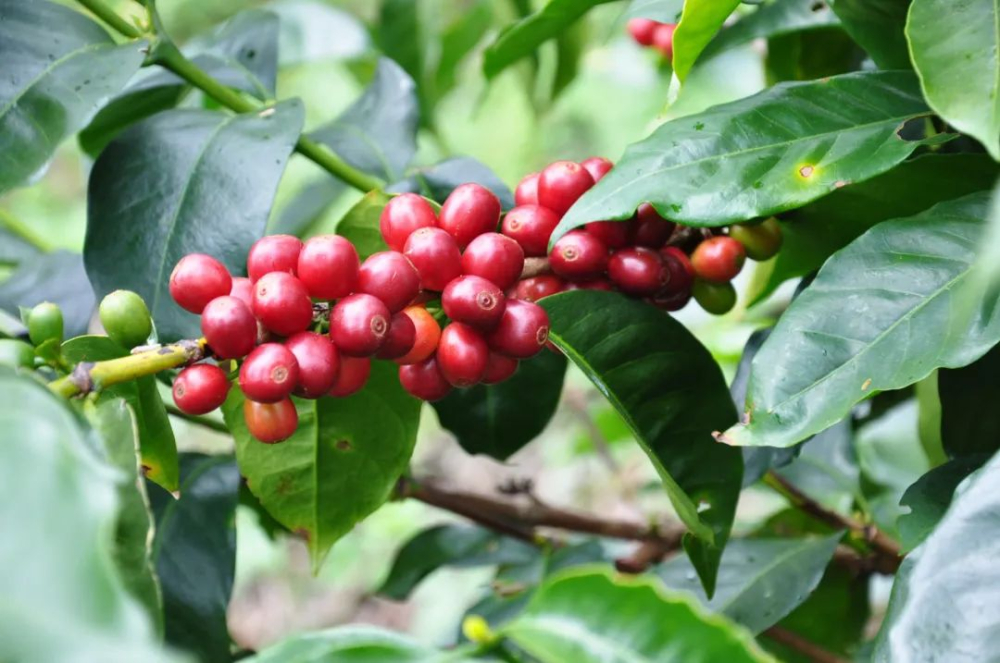
For those trying Panamanian coffee for the first time, it’s recommended to start with the classic Geisha variety. A certain well-known café’s Boquete Geisha, processed using the washed method and lightly to medium roasted, presents clean white floral notes paired with distinct citrus, grapefruit, and green tea tones. The cup unfolds like a musical composition, rich in layers and rhythm. In fact, before gaining fame, Geisha had long been overlooked by growers due to its tall, slender plants, low disease resistance, modest yields, and ordinary flavor profiles when grown at lower altitudes. It wasn’t until 2004, when a Geisha lot won the prestigious “Best of Panama” (BOP) competition with its delicate jasmine floral notes and profound fruitiness, scoring the highest points ever recorded at the time, that its fate was rewritten—catapulting Geisha to become a shining star in the global coffee market.
The reason Geisha is so widely loved is that it overturns the intense impression traditionally associated with black coffee, resembling more a refreshing and elegant floral-and-fruit tea. Its flavor profile is diverse—from floral notes to tropical fruits, honey, and even tea-like nuances. As the temperature changes, the interplay of sweet and acidic layers and the delicate textures gradually unfold in the mouth, delivering an unprecedented sensory experience.
If you want to brew a Flat White pour over that showcases the flavors of Geisha, here is a professional-level practical reference: it is recommended to use a double ristretto base, with 20 grams of Geisha coffee grounds, extracting for 26 to 32 seconds to produce about 35 to 40 grams of coffee liquid, at a coffee-to-water ratio of approximately 1:2. Use a 200 ml ceramic cup, then add 150 ml of steamed fresh milk heated to 55–60°C, and finish by pouring a delicate heart latte art—completing a Geisha Flat White with balanced flavors and a pronounced sweetness.
Specifically, first ensure the portafilter basket is dry, grind 20 grams of coffee beans (recommended using a Galileo 2.0 grind setting), and weigh them accurately with a digital scale. Next, evenly distribute the coffee grounds in the basket using a distribution tool, then tamp firmly and evenly with a tamper to ensure a compact and stable coffee puck. Pre-wet the group head for 1–2 seconds to rinse away any residual coffee grounds, reset the scale to zero and place it under the spout, securely lock the portafilter in place, and begin extraction. When the coffee liquid reaches 40 grams at around 30 seconds, stop the extraction and pour the coffee into the cup for later use. Then, steam 150 ml of fresh milk to the appropriate temperature and foam thickness, combine it evenly with the coffee liquid, and finish with latte art to complete a professional-grade Geisha Flat White.
This Geisha Flat White tastes harmonious—the addition of milk softens the coffee’s acidity while enhancing overall sweetness and smoothness. Though it shows slightly less layering than black coffee, you can still capture delicate floral and citrus notes, and even subtle caramel and biscuit aromas resulting from the interaction with the milk. Whether you’re new to coffee or a seasoned enthusiast, you’ll be able to sense the unique charm and nuanced complexity of Geisha.
The above content is compiled by CoffeeHunters, a coffee news website.


