







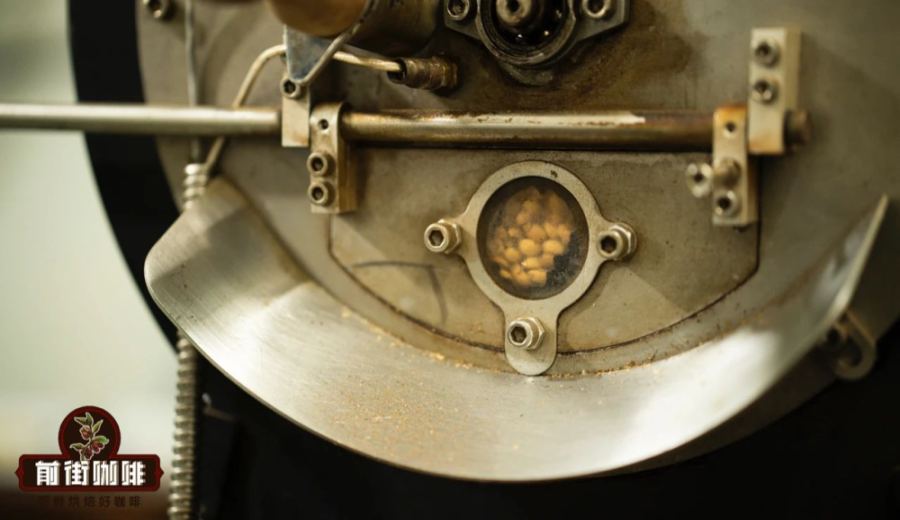
Introduction:Coffee roasting is not just about applying heat, but a comprehensive transformation of the internal structure and composition of the beans. From the bluish-green raw beans to the deep brown roasted ones, this process sees significant changes in color, moisture content, cell structure, pore distribution, and oil migration. Understanding these physical transformations not only helps readers grasp the relationship between roast profiles and flavor development, but also allows for a deeper interpretation of the science behind each cup of coffee.
Coffee roasting is a craft that blends science and art, and its essence is not merely heating but a series of intense physical and chemical changes. As the first in this series, this article delves into the physical changes that occur during coffee roasting, including the shift in external color, the sharp drop in moisture content, the softening and expansion of cell walls, the increase in pores, and the outward migration of internal oils. These changes are interconnected, laying the foundation for subsequent Maillard reactions and caramelization — and are also crucial precursors to flavor formation.
Many people mistakenly assume that roasting is simply about heating beans. In reality, the entire process involves the evaporation of internal moisture, precise temperature control, and the rearrangement of cellular structures. These physical changes not only alter the appearance of the beans but also directly affect extraction flow rate, flavor release, and ultimately the mouthfeel when consumed.
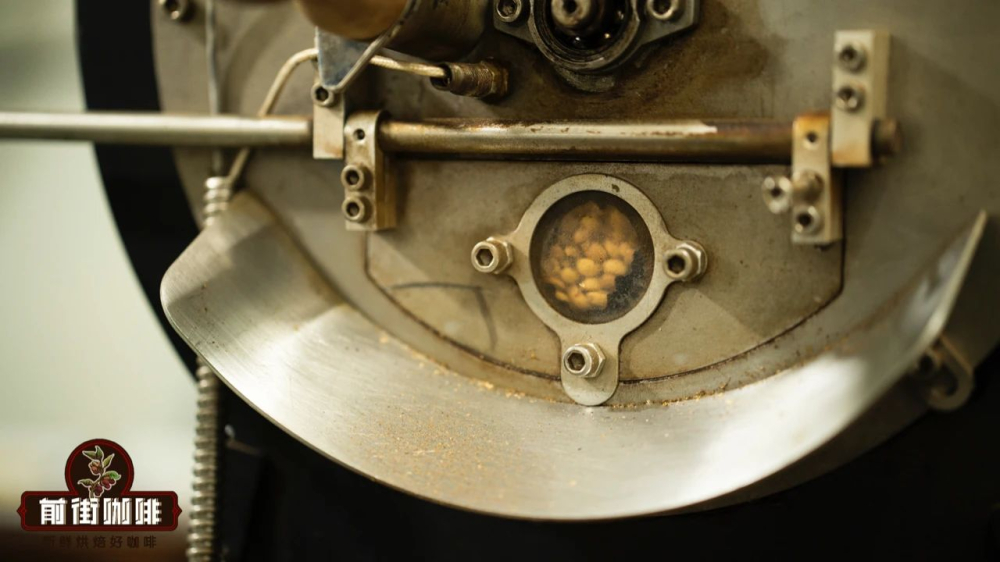
The physical structure of coffee beans is key to whether their flavors can be fully expressed. Raw beans have dense cell walls and internal tissues, which help maintain the environment necessary for chemical reactions. As Britta Folmer, author of The Craft and Science of Coffee, puts it: “Only whole coffee beans can sequentially trigger various reactions during heating. If you grind the beans into powder and then apply high heat, even with the same temperature conditions, you won’t get the familiar aromas and flavors.” This illustrates how the physical integrity of coffee beans plays a decisive role in flavor generation.
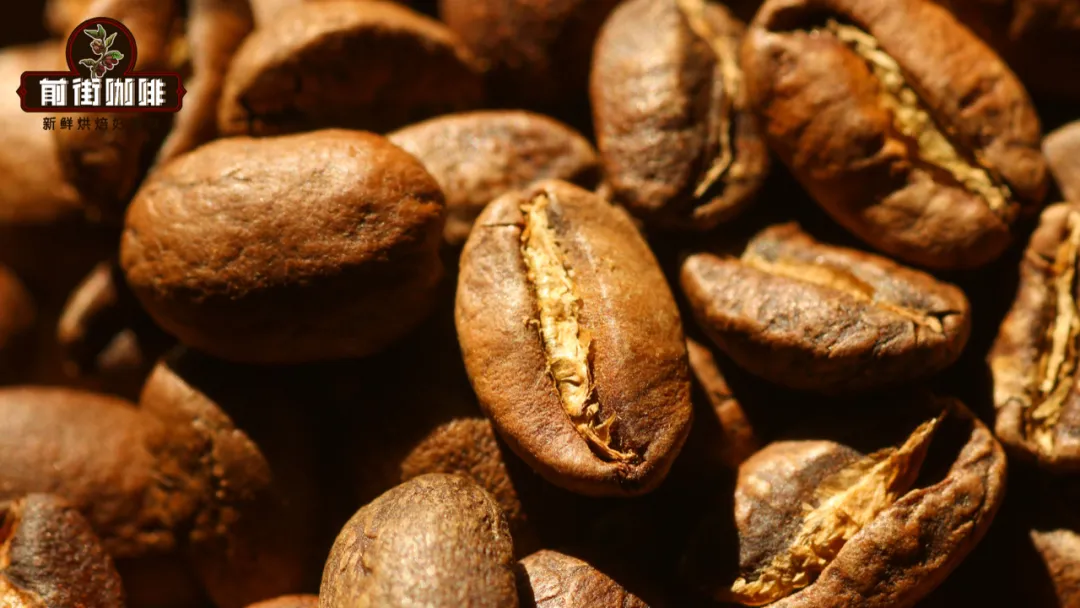
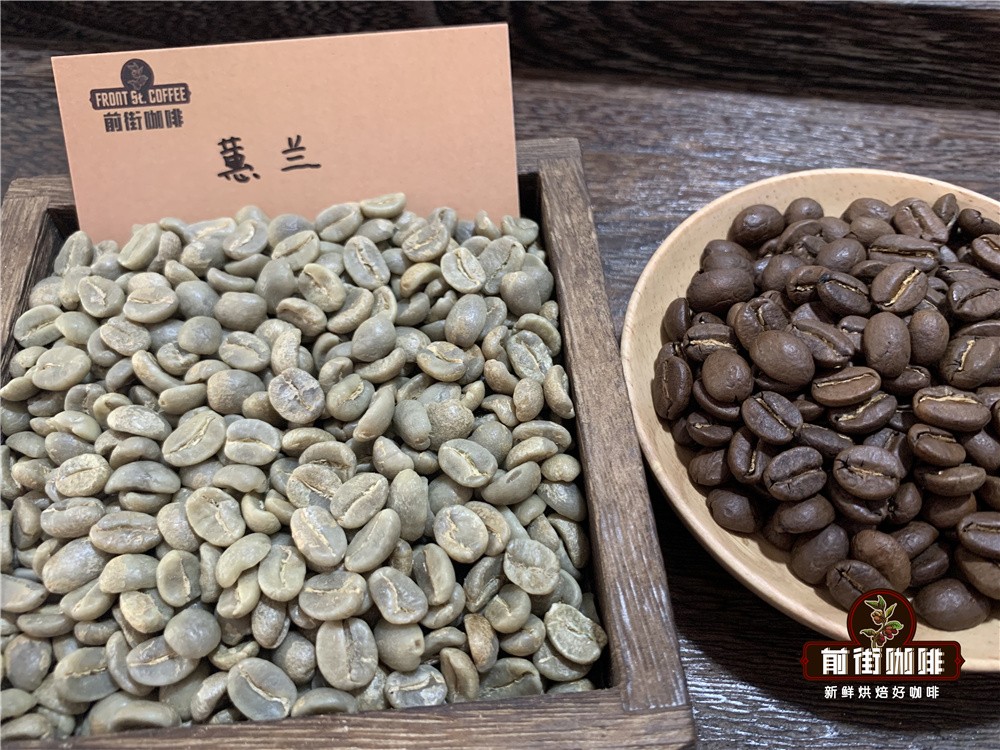
Once raw beans enter the roasting phase, their originally dense and hard structure rapidly changes. The most immediately visible change is the shift in external color. Fresh raw beans typically appear bluish-green, but as heat is applied, sugars and amino acids combine at high temperatures to form melanoidins, gradually turning the beans brown. At the same time, some of the silverskin — a thin, paper-like layer on the outermost part of the bean — will naturally flake off, usually during the early stages of roasting.
Beyond appearance, changes in moisture content are also highly significant. Generally, pre-dried raw beans have a moisture content of around 10% to 12%. However, as roasting proceeds, this moisture gradually evaporates, and the final moisture level of roasted beans typically drops to around 2.5%. Additionally, some moisture produced by chemical reactions during roasting is also lost. As water evaporates, some organic compounds turn into gases, reducing the overall weight — usually by 12% to 20%. Many roasters assess batch stability based on the percentage of weight loss.
At the same time, the volume of coffee beans also noticeably expands. This is due to the increase in internal pressure, which causes the originally rigid cell walls to transition from a stiff state to a rubber-like flexibility. The heat induces structural changes in polysaccharides (such as cellulose and hemicellulose) inside the beans, pushing internal substances toward the cell edges while forming cavities filled with gas in the center. This explains why roasted beans have lower density, more pores, and thus greater solubility during extraction.

Another key physical change is the migration of oils. Coffee beans contain natural oils, which are pushed from the cell center toward the surface under internal high pressure during roasting. These oils serve to encapsulate volatile aromatic compounds, preventing them from dissipating too early. Without this protective layer of oil, many aromatic volatile compounds would quickly evaporate during roasting, compromising the final flavor.
As roasting time increases, these physical changes become even more pronounced. Bean density continues to drop, the amount of released carbon dioxide rises, and surface oils increase. These factors collectively influence the flavor differences between light and dark roasts. However, besides physical transformations, chemical reactions such as the Maillard reaction and caramelization also play key roles.
Generally, coffee roasting can be divided into three main phases: drying, Maillard reaction (and caramelization), and flavor development. These three stages cover the entire process from the initial application of heat to the final establishment of flavor.
The first is the drying phase, beginning at the turn-around point after the green beans are loaded into the roaster. The turn-around point refers to the moment when the internal temperature of the beans initially dips slightly upon entering the machine, then gradually begins to rise. The primary goal of this stage is to initiate the evaporation of residual moisture in the raw beans while gradually building up internal pressure.
This is followed by the Maillard reaction phase, which typically begins when the temperature reaches approximately 150°C. When the surface of the beans starts to turn brown, it signals the start of the Maillard reaction. This reaction releases a large amount of gases, including carbon dioxide, water vapor, and other volatile substances. Once the internal pressure exceeds the limits of the cell walls, the beans produce the first crack — known as the “first pop.” This phase not only affects the appearance and volume of the beans, but is also crucial to the formation of their final flavors.
Finally, there is the flavor development phase. After the first crack ends, roasting becomes an exothermic process — meaning the beans themselves begin to release heat. Physical changes continue during this stage: pores enlarge further, oils continue migrating outward, and colors deepen further. How well this stage is controlled significantly impacts the final performance of the coffee, including the balance of acidity and sweetness, body, and the lingering quality of aroma.
In summary, the physical changes in coffee roasting are a closely interlinked series of transformations. Every aspect — from appearance, moisture content, volume, porosity, to oil distribution — has a direct or indirect impact on the final flavor. By understanding these principles, readers will be better equipped with judgment and direction when selecting coffee beans or adjusting brewing parameters.
The above content is compiled by CoffeeHunters, a coffee news website.


