







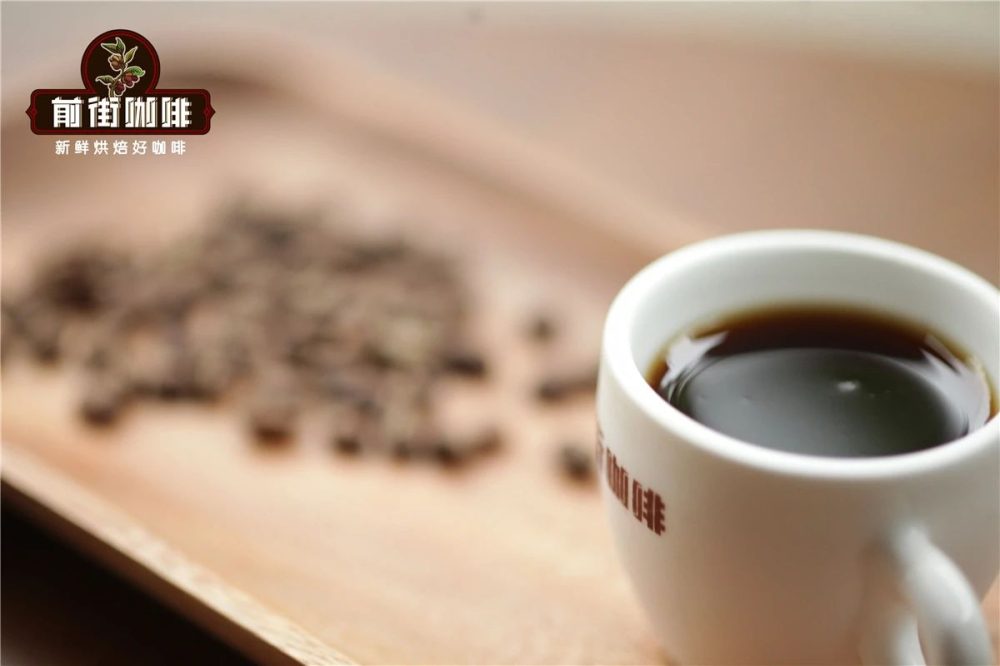
Introduction:Sumatra Mandheling is renowned for its rich, bold woody tones and distinctive spicy flavors, the key to which lies in the region’s unique wet-hulling processing method. This article delves into the natural conditions and cultivation backgrounds of the two major Sumatran producing regions—Lintong and Aceh—and takes you through the rigorous selection process of PWN’s Golden Mandheling. It also provides a detailed breakdown of the pour over parameters using the KONO filter and a three-stage pouring technique, allowing you to easily brew classic Mandheling flavors with notes of dark chocolate, caramel, and hazelnuts at home.
The Indonesian island of Sumatra is a gem in the hearts of specialty coffee lovers worldwide, especially famed for the classic origin name “Mandheling.” The reason these coffees possess such intense woody, spicy, and herbal aromas is inseparable from the region’s unique wet-hulling process. Among the many Sumatran coffees, the Lintong and Aceh regions are the primary sources of high-quality Mandheling, not only blessed with exceptional terrain and altitude conditions but also nurturing many highly distinctive flavor profiles.
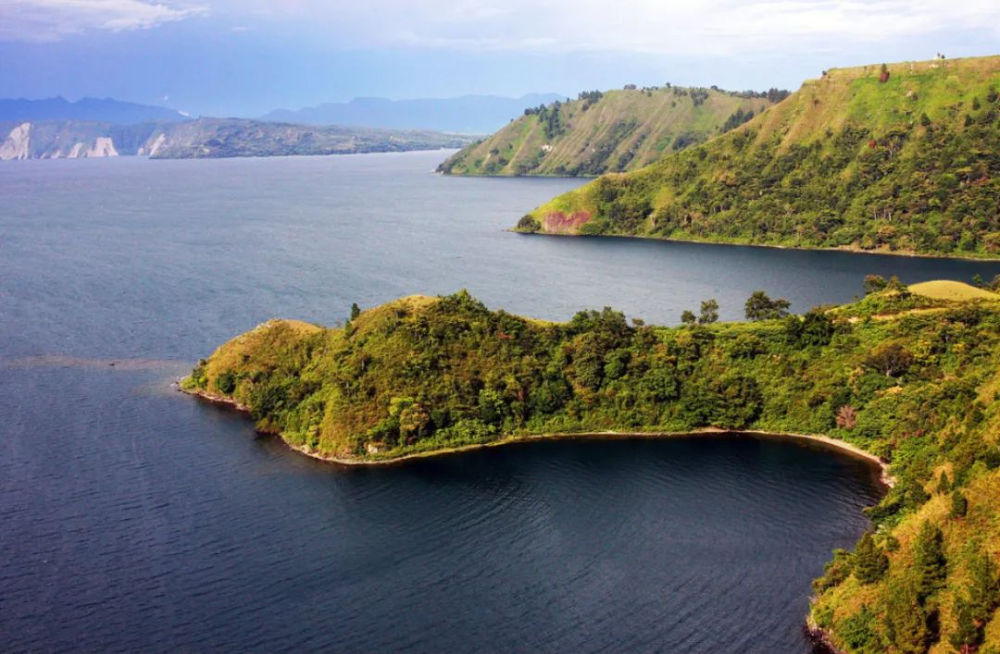
A deeper exploration of Sumatra’s coffee map reveals that although Lintong and Aceh are both part of Sumatra, they differ in microclimate, soil, and cultivation traditions. Lintong is located in North Sumatra Province in northern Sumatra, near Lake Tawar, and is home to the traditional Mandailing and Batak ethnic groups, as well as the important birthplace of classic Mandheling. Aceh Province, on the other hand, is primarily cultivated by the Gayo ethnic group. The highland environments around Lake Tawar and Lake Toba provide ideal growing conditions for coffee, especially the Gayo Mountains in Aceh, which are renowned for their organic cultivation and consistent quality.
These producing regions are mostly situated at elevations between 1200 and 1600 meters, characterized by a typical tropical rainforest climate with high humidity and persistent cloud cover year-round, and annual rainfall generally exceeding 2000 millimeters. Although such an environment is conducive to coffee tree growth, it poses significant challenges to coffee bean processing. Traditional sun-drying and washed processes are difficult to implement here, leading to the development of the unique “wet-hulling” method, which has become the decisive factor behind the flavors of Sumatran Mandheling.
So-called wet-hulling is a semi-washed processing method that falls between washed and natural processes. First, after harvesting, the coffee cherries have their outer skin and pulp removed, leaving the parchment-covered beans to undergo brief fermentation, usually just a few hours, followed by washing with clean water to remove residual mucilage. Next, the parchment beans are dried only to a moisture content of about 30% to 40%, which is vastly different from the general processing method that requires drying down to 11% to 12%. At this point, while the green beans are still in a semi-dry state, they are sent to the processing facility for hulling.
The hulling process is the essence of wet-hulling. Since the beans are not fully dry, the parchment layer is still somewhat moist and soft. The hulling machine, under high friction, forcibly strips away the silverskin layer surrounding the green beans. This action not only easily damages the surface of the green beans, creating so-called “elephant foot” indentations, but also, due to frictional heat and prolonged moisture retention, alters the internal structure of the beans, releasing unique woody, herbal, and spicy aromatic compounds, thus creating the unforgettable “terroir character” of Sumatran Mandheling.
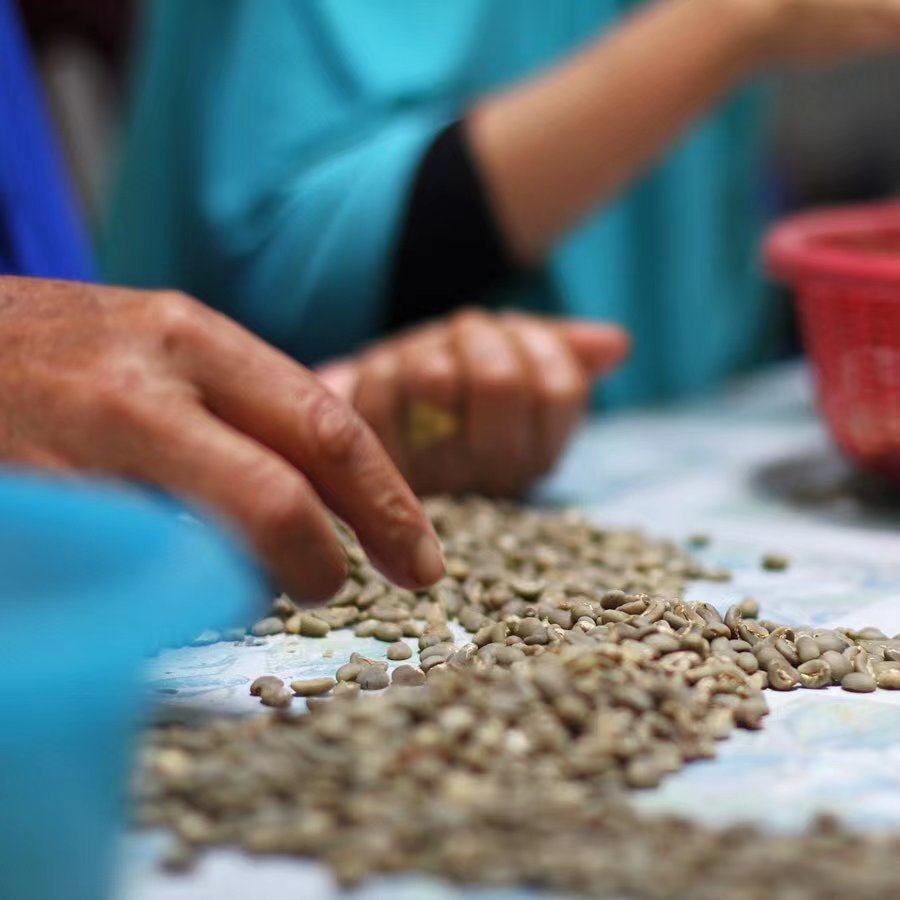
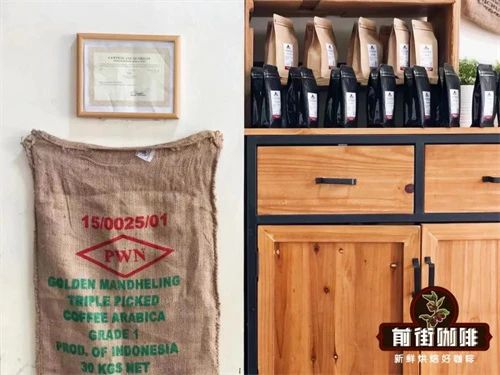
When it comes to premium Sumatran Mandheling, one cannot fail to mention the “Golden Mandheling” from PWN. PWN (Pwani Coffee Company), a well-known local green bean processor and exporter, maintains extremely strict quality control over its coffee. They perform one mechanical screening and three rounds of manual hand-picking on the purchased parchment beans to eliminate defective and unripe beans, ensuring that every green bean entering the roasting stage meets specialty-grade standards. As a result, Golden Mandheling not only boasts clear and clean flavors but also carries a rare touch of sweetness and complexity, making it a classic favorite among many coffee connoisseurs.
If you want to brew Mandheling at home that rivals café-quality, selecting the right equipment and mastering the correct parameters is crucial. Take the KONO filter, for example. Its uniquely smooth inner wall and minimal drainage ribs are designed to effectively prolong the contact time between coffee grounds and hot water, creating an extraction environment similar to immersion brewing. This brings out a rounder, richer, and more focused mouthfeel, particularly well-suited for medium to dark roasted Mandheling.
It is recommended to use a professional grinder such as the EK43S to grind the coffee beans to a fineness where approximately 70% passes through a Chinese standard No. 20 sieve, equivalent to the coarseness of medium-coarse sugar. The water temperature should be controlled between 87 to 88°C, helping to balance flavor release and avoid bitterness caused by over-extraction. Below are the field-tested effective three-stage pour over parameters:
- Filter:KONO
- Water temperature:87°C
- Coffee dose:15 grams
- Coffee-to-water ratio:1:15
- Grind size:Approximately 70% passing through a No. 20 sieve (medium-coarse sugar fineness)
Recommended pour over steps are as follows:
- First stage: pour 30 grams of water for the bloom, for about 30 seconds. Use a small stream, circling from the center outward, ensuring even saturation of the coffee bed;
- Second stage: pour 95 grams of water steadily with a slightly larger stream, reaching a total of 125 grams, for about 55 seconds. The water stream should be vertical and even, helping to lift the coffee bed and promote uniform extraction;
- Final stage: when the liquid level drops to about half, pour 100 grams of water for a total of 225 grams. Use a small stream and circle gently to avoid disturbing the coffee bed. Complete the drip-through in about 2 minutes.
The brewed Mandheling will showcase intense dark chocolate aromas, accompanied by layers of roasted hazelnut, caramel, and melon. Upon tasting, the spicy notes are prominent, with a rich yet clean mouthfeel and a long-lasting finish. It is a highly distinctive and memorable classic coffee.
The above content is compiled by CoffeeHunters, a coffee news website.


