








Introduction:Although Tanzanian coffee is not as well-known as that from Ethiopia or Kenya, its unique Kilimanjaro flavor profile and high-altitude cultivation conditions produce high-quality beans that combine richness with a refreshing character. This article delves into the main coffee-growing regions of Tanzania, bean variety characteristics, washed processing methods, as well as a detailed grading system and roasting recommendations, to help you master the brewing secrets of this East African gem.
On the African coffee map, although Tanzania may not shine as brightly as its neighbors Ethiopia and Kenya, it holds undeniable potential—especially the coffee from the Kilimanjaro region, which is celebrated for its full-bodied taste, bright acidity, and abundant aroma, earning it the title “Gentleman of Coffee.” Such coffees often exhibit citrus and berry notes, with a honey-like sweetness and subtle tea-like finish in the aftertaste, making them ideal for coffee lovers who appreciate balanced flavors.
Tanzania’s coffee-growing areas are primarily concentrated in two major geographical zones: the southern region and the area around Mount Kilimanjaro. The southern region includes Ruvuma and Mbeya, with altitudes ranging from 1,200 to 2,000 meters. Although development was once hindered by limited resources, quality has gradually improved in recent years thanks to assistance from certification bodies and non-governmental organizations. The main varieties here are Bourbon, Typica, and Kent, with the harvest season running from June to October each year.
The Kilimanjaro region, however, is Tanzania’s most iconic coffee area. Located on Africa’s highest peak, Mount Kilimanjaro, with elevations ranging from 1,050 to 2,500 meters—and some cultivation areas between 1,300 and 2,000 meters—the region benefits from fertile volcanic soil and pure meltwater from high-altitude snow, providing an optimal growing environment for coffee trees. Some coffee trees in this area are even over a hundred years old. The main varieties are also Bourbon, Typica, and Kent, with the harvest period falling between July and December. Kilimanjaro is not only Tanzania’s largest coffee-producing region but also a key pillar of the local economy.
When it comes to varieties, Typica must be mentioned. This historic variety is renowned for its delicate aroma. Although it has high thresholds for cultivation and processing, it can deliver an exceptionally layered flavor profile and is considered a classic in the coffee world. Jamaica Blue Mountain is a famous representative of Typica, and its elegant and balanced flavor is the result of rigorous cultivation and post-harvest processes. One coffee brand once trial-planted Typica in Yunnan and processed it using the natural method, resulting in a brew that combined notes of nuts, brown sugar, and preserved fruit—a different way to explore Typica’s potential.
Most Tanzanian coffee is processed using the washed method, which preserves the most original regional characteristics of the beans while reducing interference from impurities and undesirable flavors. The washed processing steps include: first removing impurities, then stripping the pulp and outer skin, followed by fermenting the mucilage-covered beans to remove the fruit mucilage from the inner parchment, and finally washing and drying the beans. This meticulous process helps the coffee retain a clear, bright acidity and a rich, layered aroma.
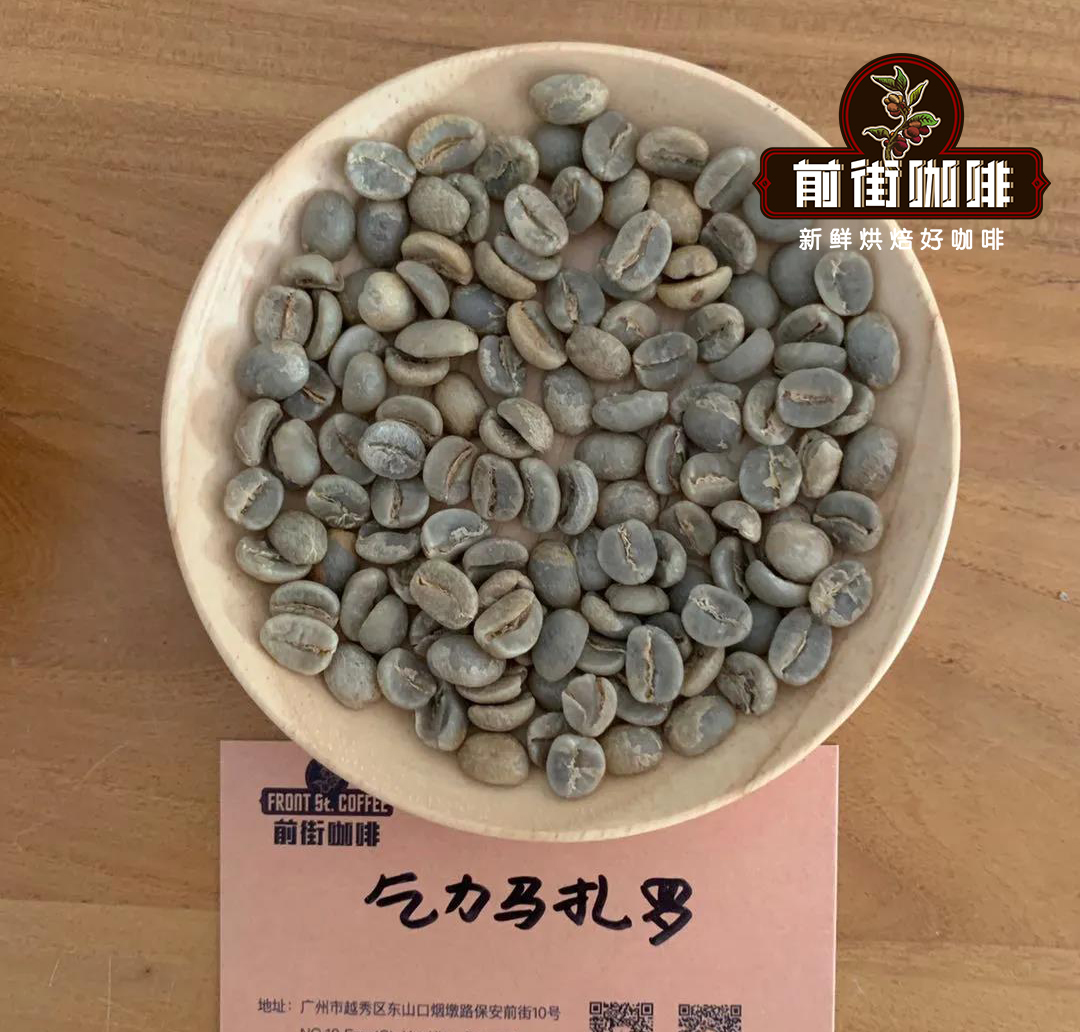
In terms of grading, Tanzania is similar to Kenya, primarily grading beans based on size, where Grade AA is the highest, representing large and uniform beans that typically exhibit superior flavor performance. A certain coffee brand previously released a Kilimanjaro coffee that was Grade AA washed Bourbon, showcasing the typical characteristics of African beans and serving as an ideal entry point for getting to know Tanzanian flavors.
For such high-quality washed beans, a light roast is recommended to highlight their sweetness and bright acidity. A common roasting curve reference is as follows: start at a drum temperature of 175°C, with an initial flame power of 120 and the air vent set to 3; the turning point occurs around 1’33”, and when the drum temperature drops to 115°C, adjust the air vent to 4 while maintaining the flame power; once the bean surface turns yellow and the grassy aroma fades—around 151.6°C—the drying phase begins; subsequently, at about 10’16”, when the beans enter the first crack, adjust the air vent to 5, let the first crack develop for about 1’48”, and finish roasting at 192°C to preserve the optimal flavor.
For brewing, it is recommended to use a V60 filter, with water temperature controlled at 90°C, a coffee dosage of 15 grams, a coffee-to-water ratio of 1:15, and a grind size of medium-fine (approximately 78% through a #20 sieve). The step-by-step extraction process is as follows: start with a 30-gram bloom for 30 seconds, then pour water in small circles until reaching 125 grams for the first pour; when the water level drops and is about to expose the coffee bed, continue pouring to 225 grams before stopping; once the water level drops again and is about to expose the coffee bed, remove the filter. The total extraction time is approximately 2 minutes, which fully highlights the beans’ aroma and layered complexity.
The above content is compiled by CoffeeHunters, a coffee news website.


