







Introduction:How much difference can the flavor profile show when using the same coffee beans but brewing them via pour over and Americano methods? This article delves into the fundamental differences in extraction principles and parameter settings between the two, and takes a popular Ethiopian Huaguai coffee bean as an example to practically test the flavor performance under different brewing methods. It also explores different dilution ratios for the Americano to find the most balanced and smooth drinking solution, helping you understand how brewing methods affect the final taste.
Have you ever wondered how the taste differs when brewing the same coffee bean using pour over and Americano methods? In reality, these two methods, though both using hot water to extract coffee, have quite significant differences in principle, parameters, and final flavor expression. This article will use a popular coffee bean from Ethiopia’s Sidamo region — Huaguai 5.0 — as an example, and comprehensively analyze the differences between pour over and Americano coffee from extraction logic, brewing parameters to actual flavor experience. By adjusting the dilution ratio of the Americano, we’ll also identify the optimal flavor expression of this bean when brewed as an Americano.
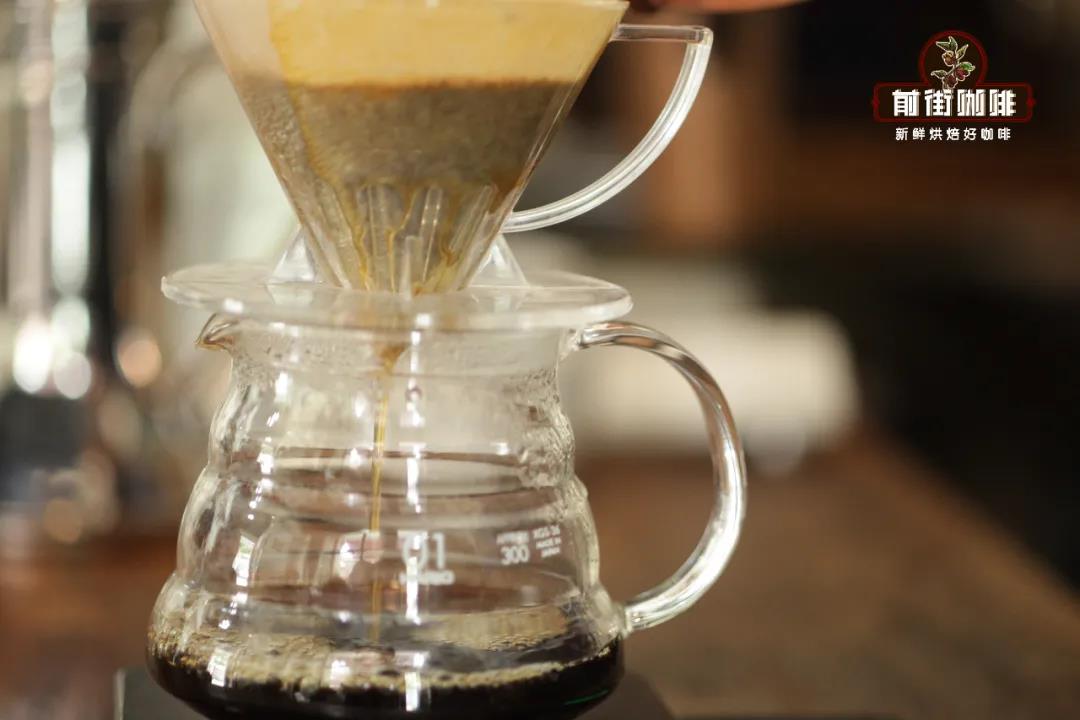
First, what is pour over coffee? Pour over, commonly referred to in English as pour over or hand drip, is a brewing method where hot water relies on natural gravity to slowly pass through filter paper and a filter cone, penetrating the coffee grounds layer to extract its water-soluble substances. The entire process does not use pressure, relying solely on water temperature, grind size, pouring technique, and time control to influence the extraction result. Because there is no external force applied, pour over coffee usually has a cleaner taste and clearer layers, making it ideal for savoring the aroma and flavor nuances of the coffee itself.
Americano coffee, on the other hand, generally refers to a coffee beverage made by diluting espresso with hot water. However, the commonly seen “Americano coffee makers” on the market are mostly drip coffee machines. Their principle is to let hot water pass through a layer of coffee grounds, which is then filtered through filter paper or a metal filter screen and dripped into a carafe. Although similar to pour over in being a drip method, it differs in terms of grind size, coffee-to-water ratio, and extraction time. The truly traditional Americano is made by adding water to espresso at a ratio of about 1:3 to 1:6, resulting in a coffee that is relatively refreshing yet still retains the essence of the espresso.
The biggest difference between pour over and Americano lies in the brewing method and texture of the taste. Pour over relies on natural drip filtration without applying pressure, resulting in a light and clean taste; if Americano is made by diluting espresso, it retains more oils and rich layers due to the high-pressure extraction, and remains relatively full-bodied even after adding water. Additionally, the flavor expression of pour over tends to lean more towards fruity acidity, floral notes, and delicate sweetness, whereas Americano (especially espresso-based) more easily highlights caramel, nutty, and dark berry tones.
For this evaluation, we selected the Ethiopian Sidamo Huaguai 5.0 coffee bean. This bean is known for its floral and fruity profile, with soft acidity and pronounced sweetness, making it highly suitable for comparing the flavor differences brought about by various brewing methods.
For the pour over test, we used a Hario V60 size 01 filter cone, a medium-fine grind (approximately 78% passing rate through a Chinese standard No. 20 sieve), water temperature controlled at 90°C, a coffee dose of 15 grams, and a coffee-to-water ratio of 1:15. Specifically, we first poured 30 grams of water for a 30-second bloom, then continued pouring with a small stream in a circular motion until reaching 125 grams, paused briefly, then added water up to 225 grams. Finally, the filter cone was removed just before the liquid surface was about to expose the coffee bed, with a total extraction time of approximately 2 minutes and 8 seconds. This Huaguai produced distinct floral, berry, and citrus acidity and sweetness, accompanied by a mango-like juiciness and honeyed sweetness, with a finish reminiscent of the gentle sweetness of black tea.
For the Americano, we first extracted an espresso as the base: using a Feima E98 espresso machine paired with an EK43s grinder set to 0.1 grind setting, a coffee-to-water ratio of 1:2, 20 grams of coffee, extracted for 24 seconds to yield 40 grams of thick coffee liquid. This espresso exhibited moderately high acidity, medium sweetness, and low but smooth bitterness. The initial sip brought a fresh citrus note, followed by berry aromas, with a finish combining dark berries and caramel. However, while the acidity and sweetness of this straight espresso were vivid, they were slightly sharp. Therefore, we experimented with different water dilution ratios and ultimately found that a 1:6.5 ratio (i.e., 40 grams of coffee liquid plus 260 grams of 86°C hot water) achieved the best balance.
The Huaguai SOE Americano prepared at this ratio delivered softened acidity with tropical fruit notes, an overall texture as refreshing as juice, and a lingering finish of creamy and caramel sweetness. It retained the layered complexity of the coffee while being more approachable than straight espresso, making it ideal for everyday enjoyment.
Overall, pour over coffee, due to the absence of pressure, better highlights the delicate flavors and clean mouthfeel of the coffee itself during extraction, especially showcasing bright characteristics such as floral, fruity acidity, and sweet aromatics. Meanwhile, Americano coffee (particularly espresso-based) typically has richer crema, more concentrated aromas, and, even after dilution, retains a certain body and complexity due to the high-pressure extraction, making it suitable for those who prefer a fuller-bodied drink.
If you’d also like to try both brewing methods with the same beans at home, feel free to refer to the parameters above. Especially for the Americano part, you can fine-tune the dilution ratio according to your personal taste to find your perfect cup.
The above content is compiled by CoffeeHunters, a coffee news website.


