







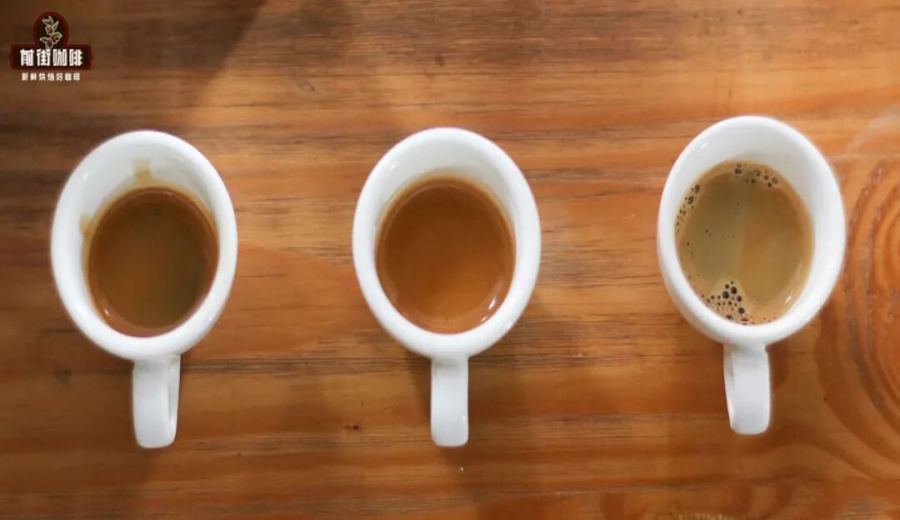
Introduction:When transitioning from dark roasted blends to SOE (Single Origin Espresso) beans, many coffee enthusiasts often face challenges in extraction. This article explains how to adjust grind size, brew ratio, and extraction time according to the characteristics of light roasted single origin beans, addressing common issues such as overly sharp acidity, burnt bitterness, or insufficient crema. With practical parameter suggestions and step-by-step adjustments, it helps you extract a balanced and flavorful SOE espresso.
After getting used to the rich taste of traditional dark roasted espresso, many coffee lovers may want to try the brighter flavors of SOE (Single Origin Espresso) beans. These beans are usually roasted lighter, bringing out distinct fruit acidity and unique regional characteristics. However, using extraction parameters meant for dark roast beans often leads to incomplete flavor extraction, making it difficult to showcase the potential of SOE. Therefore, we need a dedicated extraction strategy tailored to the characteristics of light roasted beans.
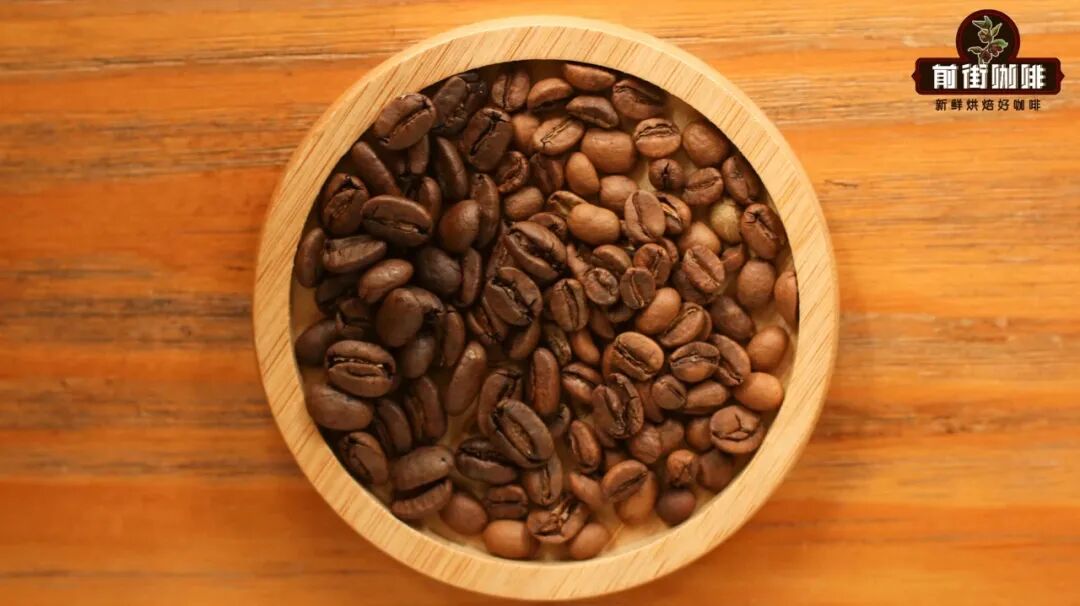
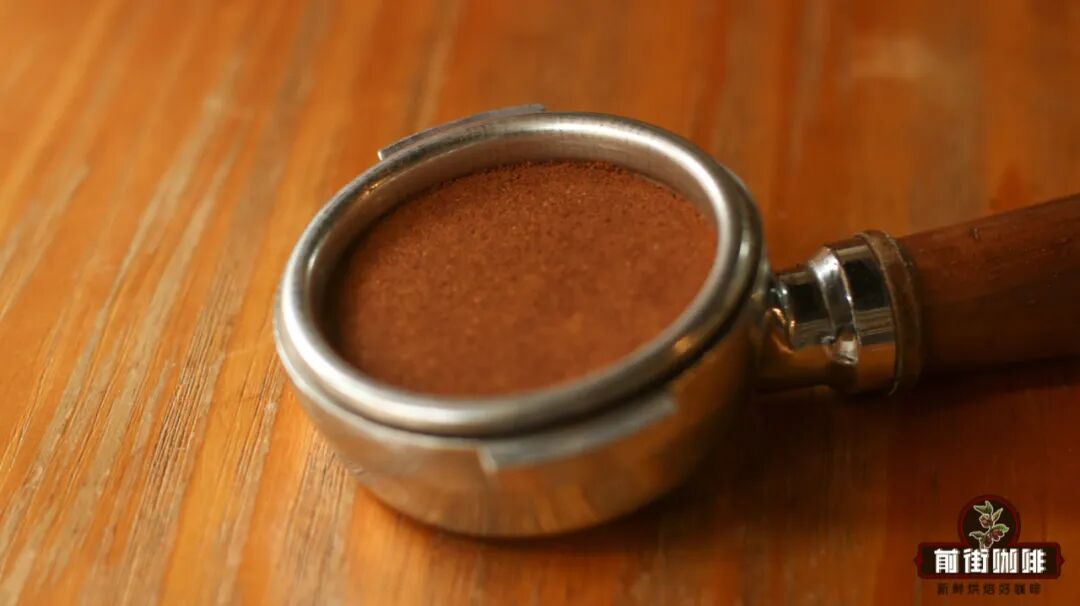
When formulating an extraction strategy, it’s recommended to first establish a basic formula: determine the ratio of coffee dose, extraction time, and final liquid yield. This framework helps narrow down the range of parameter adjustments, but the final flavor still relies on actual tasting judgment. A certain coffee brand commonly uses a reference standard of a 1:2 brew ratio, with extraction time controlled between 30 to 35 seconds — about 5 seconds longer than standard espresso. This is because light roasted beans require more contact time to fully release their flavor compounds. The coffee dose should be adjusted according to the capacity of the portafilter basket. It’s worth noting that light roasted coffee grounds are usually denser in volume than dark roasted ones at the same weight, so just make sure not to exceed the maximum fill line of the basket.

If you’re switching from a dark roasted bean grind setting to an SOE, you’ll typically need to make the grind finer by 3 to 5 notches.This adjustment increases the surface area of the coffee bed, improving water-to-coffee contact efficiency.If you maintain the original coarse grind, hot water will pass through the coffee bed too quickly, resulting in under-extraction. Observing the flow rate is an important indicator: normal espresso should begin flowing at around 7 to 8 seconds. If the coffee flows out too quickly at 4 to 5 seconds, it’s a clear sign that the grind is too coarse and inefficient.
Once the extraction time falls within the target range, the next step is fine-tuning based on flavor evaluation. One common issue is sharp acidity paired with a short aftertaste, which usually indicates under-extraction — sweet and bitter compounds are not balancing the acidity. After checking the flow rate, if you confirm the grind size is correct, you can try extending the extraction time by 5 to 10 milliliters, which helps bring out more mid-palate flavor compounds. On the other hand, if there is obvious burnt bitterness or carbonized notes, reduce the extraction volume by 2 to 4 milliliters, or make the grind slightly coarser to lower extraction intensity.
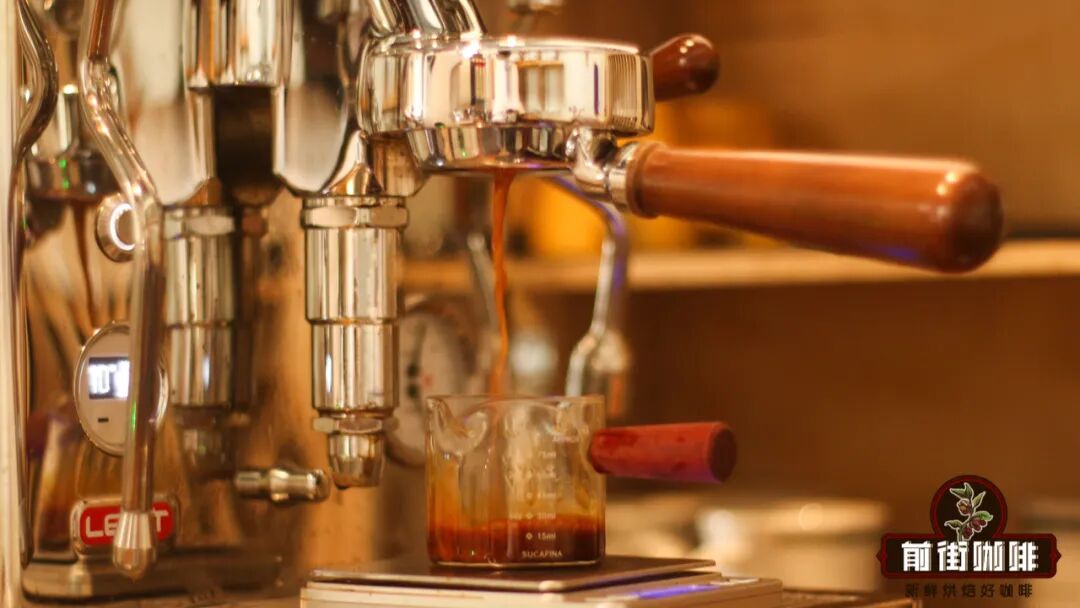
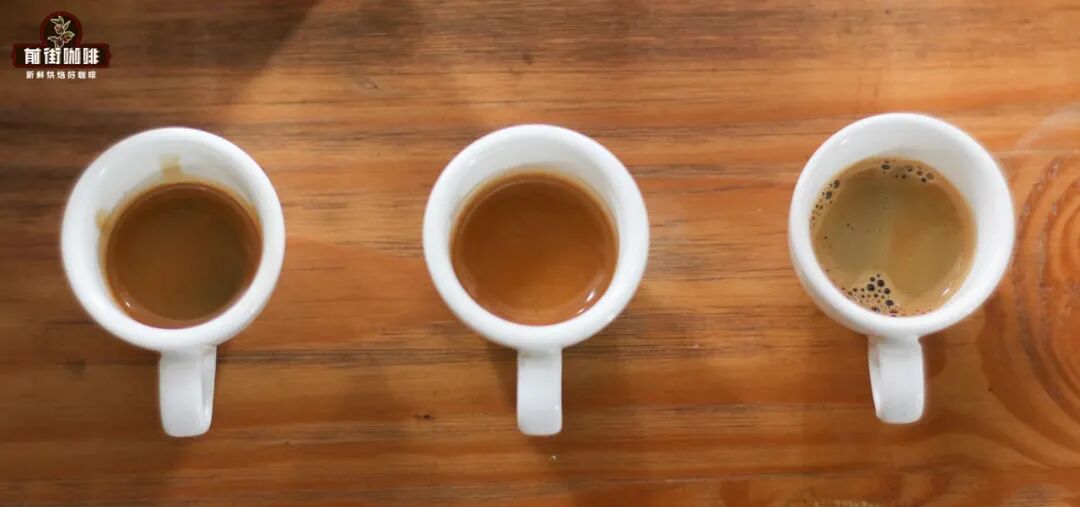
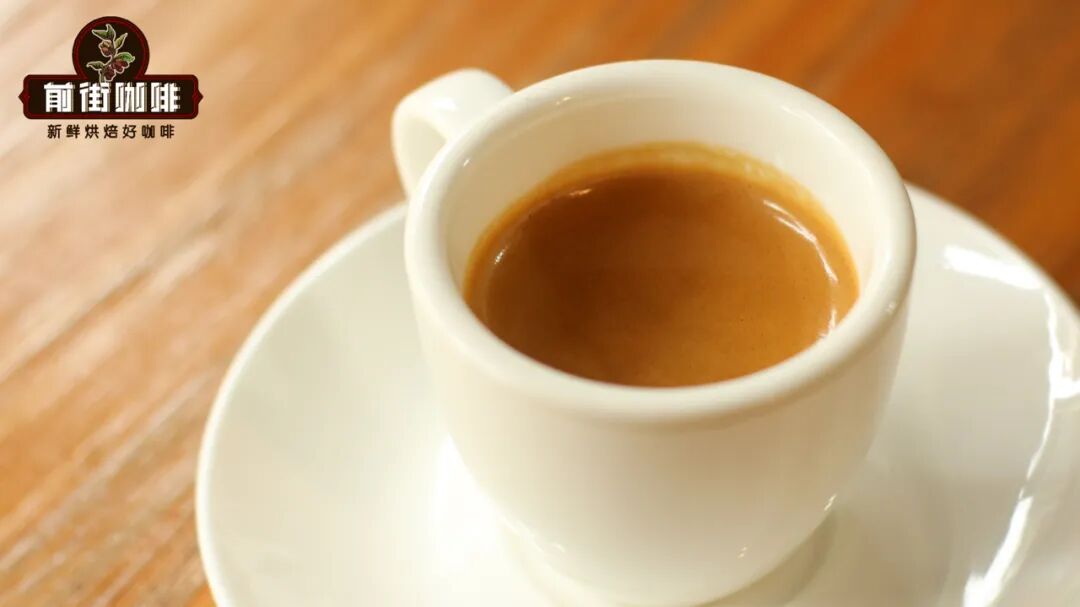
To determine if over-extraction due to too fine a grind is the problem, you can use a segmented test method: divide 40 milliliters of extracted liquid into three equal parts (about 13 milliliters per cup). If all cups show unpleasant bitterness, then the grind needs to be made coarser. If only the last segment shows off-flavors, adjusting the liquid yield will help. Another commonly overlooked detail is crema performance — freshly roasted SOE beans should produce a rich crema. If the crema is thin or absent, besides considering the freshness of the beans, also check whether the grind is too coarse, preventing proper release of CO₂.
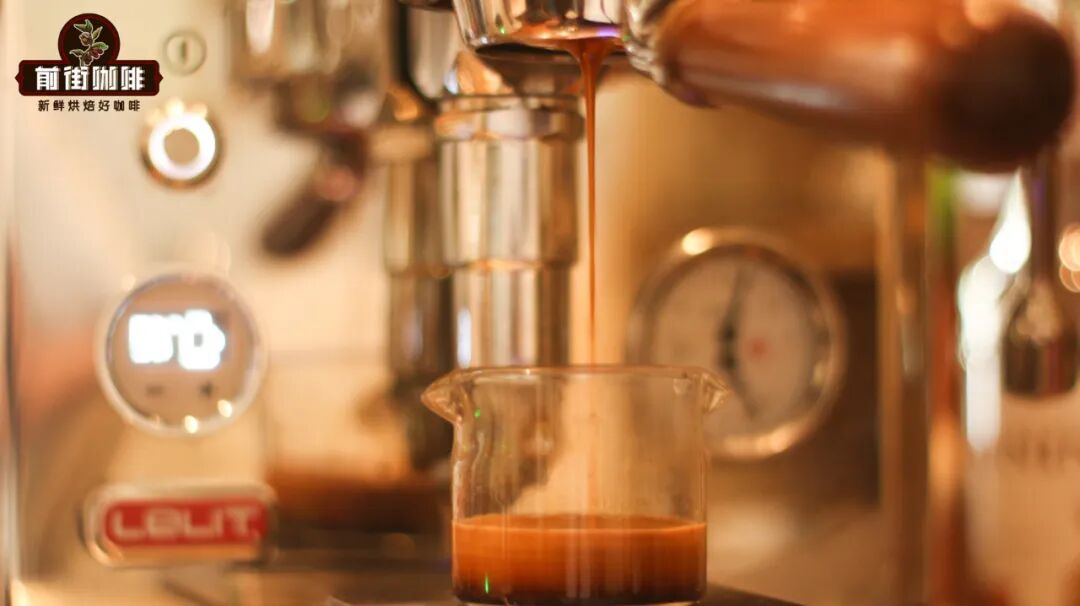
When making comprehensive adjustments, keep in mind: light roasted beans have a narrower extraction window, and small changes in parameters can significantly affect the final flavor. It’s advised to adjust only one variable at a time (such as grind size or time), and record each set of changed parameters. In addition, different regional SOE beans (such as Ethiopian Yirgacheffe and Colombian Huila), even if both are light roasted, may require targeted adjustments — the former may benefit from a slightly longer extraction to highlight floral notes, while the latter needs to balance citrus tones with a nutty base.
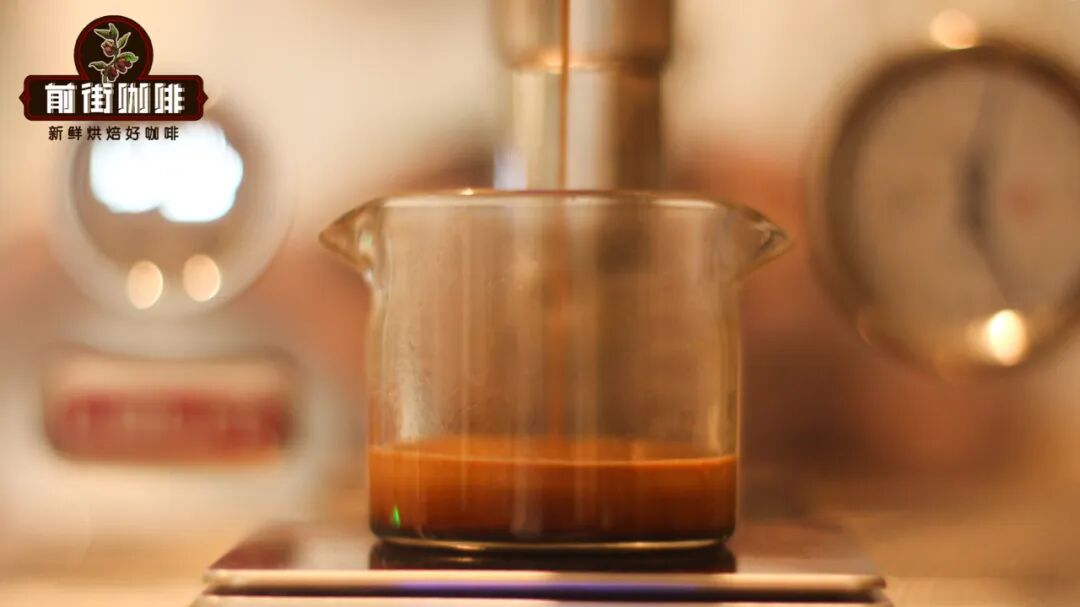
Once you master these core principles, you’ll be able to flexibly adapt to the characteristic differences among various SOE beans. From parameter settings to flavor diagnosis, a systematic approach to adjustment helps you overcome extraction bottlenecks and fully showcase the unique personality of single origin coffee beans. Remember, the perfect extraction starts with scientific parameters and is perfected through sensory judgment.
The above content is compiled by CoffeeHunters, a coffee news website.


