








Introduction:SOE (Single Origin Espresso) has become a buzzword in the specialty coffee scene in recent years, but many consumers still have only a vague understanding of the concept. This article delves into the origins of SOE, explores its differences from regular blends, analyzes its unique flavor characteristics, and details which coffee beans from certain regions and processing methods are suitable for SOE espresso and pour over. It also provides practical advice on bean selection and roasting to help readers find their ideal SOE experience based on personal taste preferences.
What is SOE? How is it different from regular espresso?
SOE stands for Single Origin Espresso, referring to espresso made using beans from a single origin. Compared to common blends (House Blend), SOE emphasizes the uniqueness of a "single origin," making the regional flavors of the coffee more pronounced—for example, the fruity notes of Ethiopian beans or the nutty chocolate aroma of Colombian beans.
The history of SOE: From single-origin to blends and back to the SOE revival
Early espresso was often made with single-origin beans, but origin information was not specifically highlighted. As global coffee supply increased, some regions produced beans with inconsistent quality, leading to unstable flavors. To ensure balanced and consistent espresso taste, roasters gradually shifted to using multi-origin blends. However, with the rise of specialty coffee culture, consumers began to seek traceable coffee experiences, and single-origin SOE regained attention.

Key characteristics of SOE: Clear flavors that highlight regional traits
The greatest appeal of SOE lies in its ability to showcase the most authentic flavor profile of its origin. When using high-quality single-origin beans and pairing them with appropriate roasting and brewing methods, an SOE espresso can vividly express bright fruit acidity, rich sweetness, or unique fermentation aromas. For example, Kenyan beans often exhibit vibrant berry acidity, while Brazilian beans tend to show a strong creamy chocolate tone.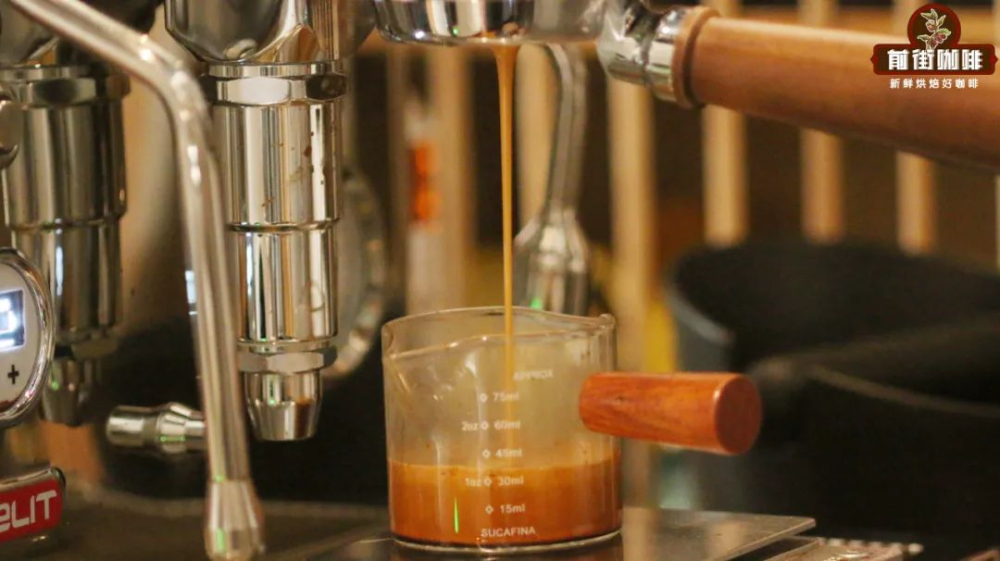

Challenges in roasting and brewing parameters: Balancing flavor and mouthfeel
Since SOE emphasizes the traits of a single origin, its roast level must be precisely controlled. Over-roasting can suppress delicate flavors with bitterness, while under-roasting may lead to under-extraction and a thin body. Additionally, SOE has low tolerance for defective beans, requiring batches of consistent quality. Whether making pure SOE espresso or adding milk for a latte, baristas need more precise control over grind size, water temperature, and pressure.
Is SOE necessarily better tasting than blends?
The answer varies by individual. SOE highlights the distinctive personality of a specific origin, whereas blends aim for overall balance and layered complexity. Some consumers prefer the fruity brightness of SOE, while others favor the smoothness and roundness of blends. It’s recommended to explore SOEs from different origins and processing methods based on personal taste preferences to find the most suitable option.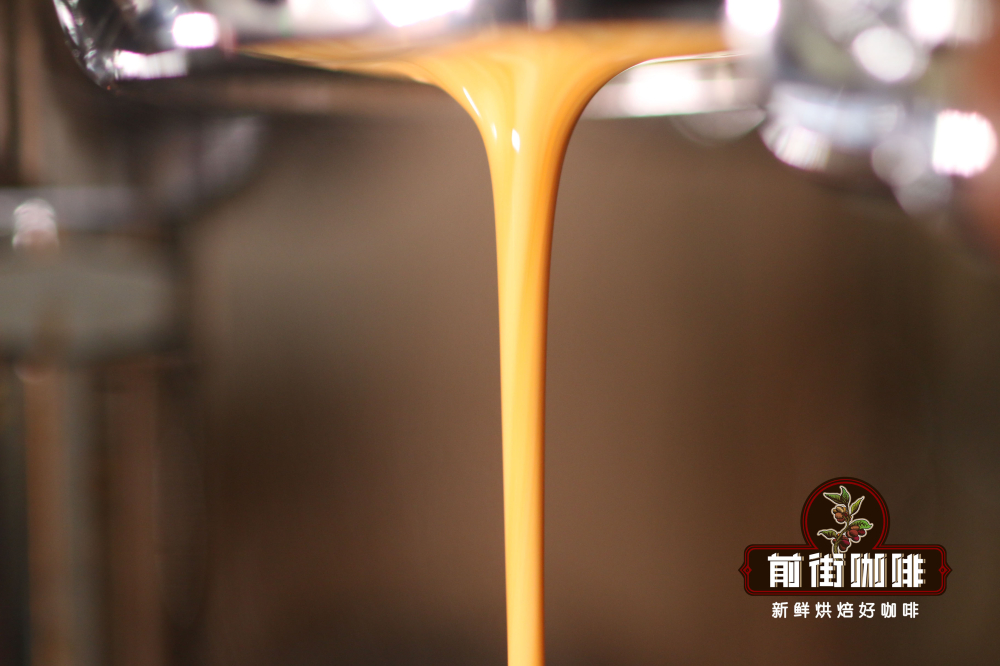
Which coffee beans are suitable for making SOE? Analysis of three major flavor profiles
SOE beans can be divided into three major flavor categories, allowing consumers to choose based on preference:
1. Bright fruity acidity: Vibrant fruitiness and acidity
This type of SOE is typically processed via washed or natural methods, showcasing tropical fruit, citrus, or berry notes. For example, Ethiopian natural Yirgacheffe offers distinct jasmine floral aromas and lemony acidity, making it ideal for those who enjoy a refreshing cup.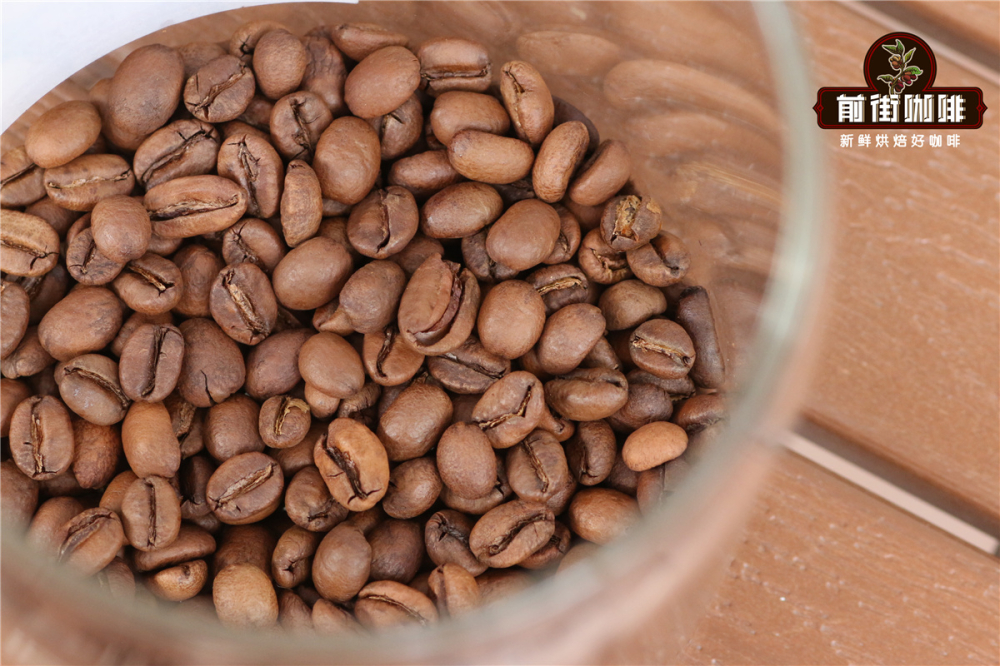
2. Fermented wine-like flavors: Rich wine aromas and full-bodied finish
Some SOEs use special fermentation processes, such as whiskey barrel fermentation, imparting complex aromas like vanilla, cream, and chocolate. Honduran sherry barrel beans are a prime example, well-suited for milk-based drinks like lattes, yielding a velvety texture reminiscent of chocolate mousse.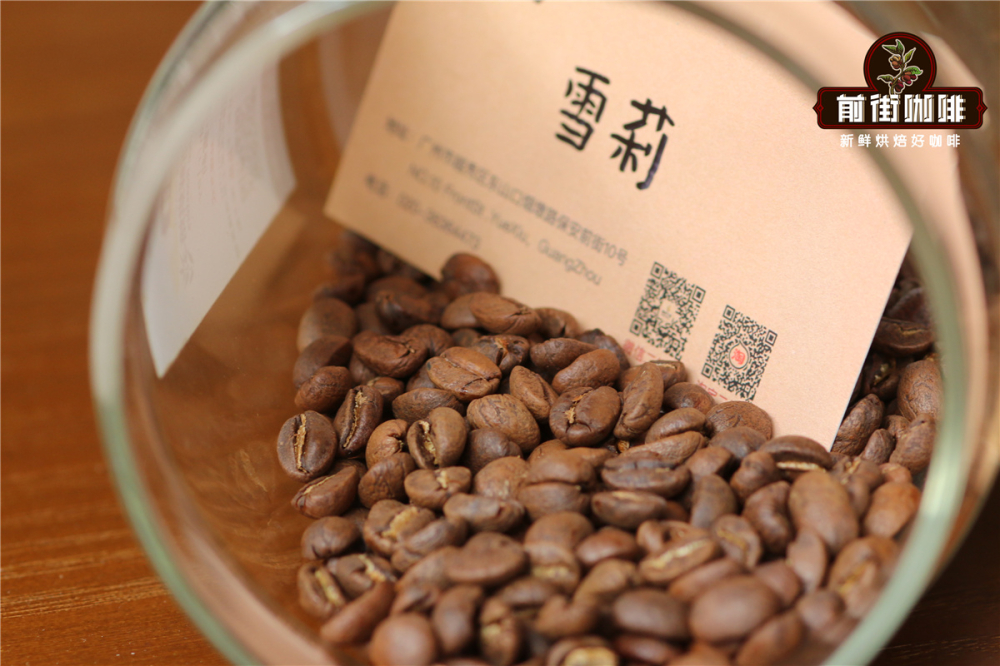
3. Bold and rich bitterness: Dark roast profiles with sweet candy notes
For those who prefer a bold, full-bodied coffee experience, bean varieties like Brazilian Yellow Bourbon—friendly to dark roasts—are a great choice. With natural processing, they deliver creamy, nutty, and sugarcane sweetness, appealing to fans of caramel and chocolate flavors. When brewed as SOE, they retain rich layers of complexity.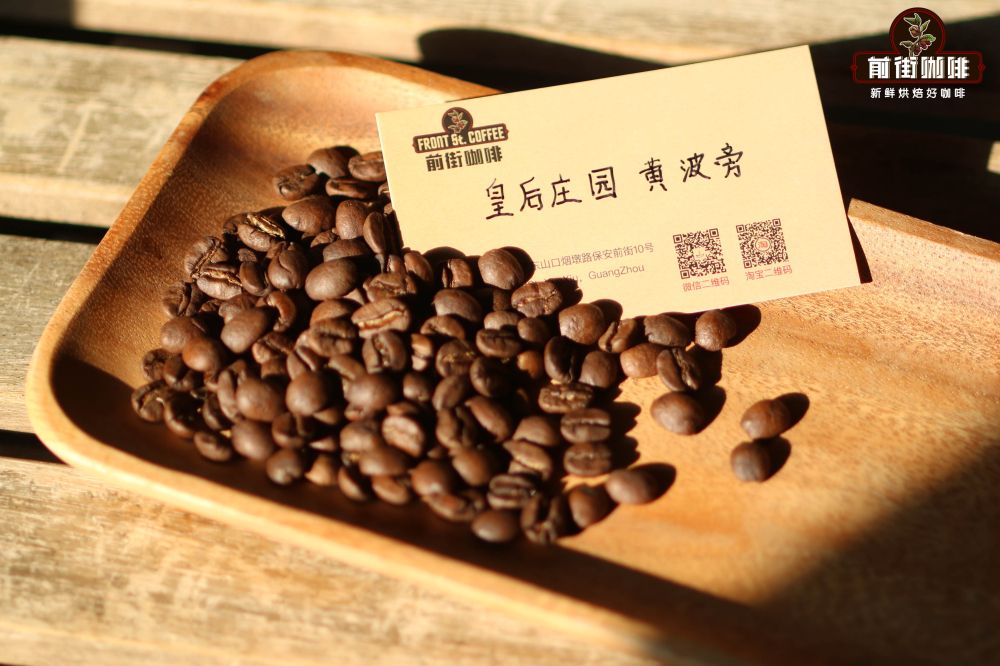
In summary, the charm of SOE coffee lies in the flavor focus brought by its "single origin." Whether for espresso or pour over, choosing the right beans, roast level, and brewing method can all result in a uniquely outstanding coffee experience.
The above content is compiled by CoffeeHunters, a coffee news website.


