








Introduction:Have you ever wondered why some coffee beans are priced high but don’t necessarily suit your taste? In fact, coffee pricing involves multiple factors such as variety characteristics, green bean grade, and regional yield. Understanding these key elements can help you choose the right coffee for you more wisely, rather than simply being led by the price. This article will delve into the logic behind coffee pricing and guide you to find the truly worthwhile beans to try.
When selecting coffee beans, many people intuitively assume that “higher price = better quality,” but the reality may not be so straightforward. Once, a customer at a coffee shop saw the Jade Red Label priced at 75 yuan and immediately questioned, “This must taste much better than the regular 30-yuan pour over, right?” This direct association between price and flavor is actually a common misconception. So, what exactly influences the final pricing of coffee beans? Let’s break it down from three aspects: variety, grade, and yield.
I. Variety Differences: The Innate Qualities of Arabica and Robusta
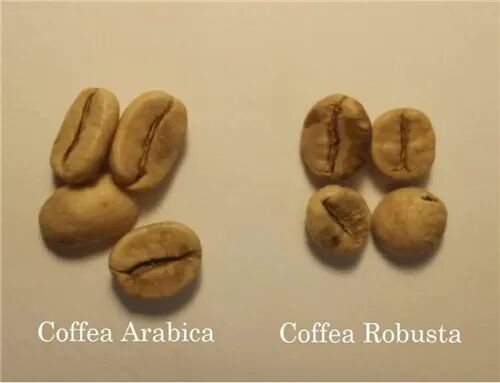
Coffee beans on the market are mainly divided into two varieties: Arabica and Robusta. Arabica is typically grown at altitudes above 800 meters, requiring careful attention to climate, soil, and management. It offers a rich and layered flavor, but its growing conditions are stringent and it has weak disease resistance, resulting in naturally limited yield and higher prices. On the other hand, Robusta can grow quickly in low-altitude, high-temperature, and high-light environments. It boasts strong disease resistance and high yield, often used in instant coffee or dark roast blends, and is relatively more affordable.

II. Green Bean Grade: Scoring Standards Based on Size, Altitude, and Defect Rate
Coffee-growing regions around the world have their own grading systems for green beans, primarily based on three criteria: bean size, growing altitude, and defect rate. For example, Kenya and Colombia grade beans according to screen size—the higher the screen number, the fuller and riper the beans, which often translates to better flavor performance. In Central American countries like Panama and Costa Rica, altitude is the preferred grading criterion; the higher the altitude, the denser the beans and the more intense the flavors. Meanwhile, in places like Indonesia and Ethiopia, grading is based on the ratio of defective beans—the fewer the defects, the higher the grade and the steeper the price.
In addition, some renowned estates also have their own internal grading systems. Take Panama’s Jade Mountain Estate as an example: its Geisha coffee is categorized into Red Label, Green Label, and auction lots. The Red Label comes from specific premium plots and is already priced higher than the regular Green Label. As for the auction lots of Geisha, due to their limited availability and auction format, their prices are even higher, making them some of the finest beans on the market.
III. Yield Factors: Rarity Drives Price Ceilings
“The rarer, the more precious” holds true in the coffee world as well. Take Jamaican Blue Mountain as an example—its growing area is limited, with only about 6,000 hectares of mountain slopes meeting the qualifications for Blue Mountain coffee cultivation. Coupled with high-altitude conditions and labor costs, Blue Mountain coffee production is extremely low. In the past, a cup of Blue Mountain pour over could even cost over a thousand yuan. Though there are now more import channels and prices have slightly dropped, it remains one of the pricier coffees. Most shops offer it for around 60 yuan, allowing you to enjoy its classic flavor.
Expensive Doesn’t Always Mean Delicious: Choosing the Right Flavor Is Key
Although price reflects certain aspects of quality and rarity, it doesn’t guarantee that everyone will like it. A regular customer at a coffee shop, who usually prefers dark roasts, once tried the Gold Label Geisha but was greatly disappointed due to its high acidity. In fact, different regions, processing methods, and roast levels can all significantly impact a coffee’s final flavor profile. Light-roasted Yirgacheffe is known for its bright fruity acidity and is relatively more affordable. In contrast, dark-roasted Blue Mountain excels in rich and balanced flavors, and while it’s pricey, more economical options like Brazilian beans are also available. Therefore, when choosing coffee, it’s advisable to start with your own taste preferences rather than focusing solely on the price tag.
In summary, the price of coffee beans reflects a complex interplay of variety characteristics, regional conditions, and market supply and demand. Understanding these key factors can help you find the cup of coffee that truly suits your palate among the many options available.
The above content is compiled by CoffeeHunters, a coffee news website.


